
.png?width=542&height=179&name=PNG-Averitt%2055%20Years%20RED%20ODFIP%20(1).png)


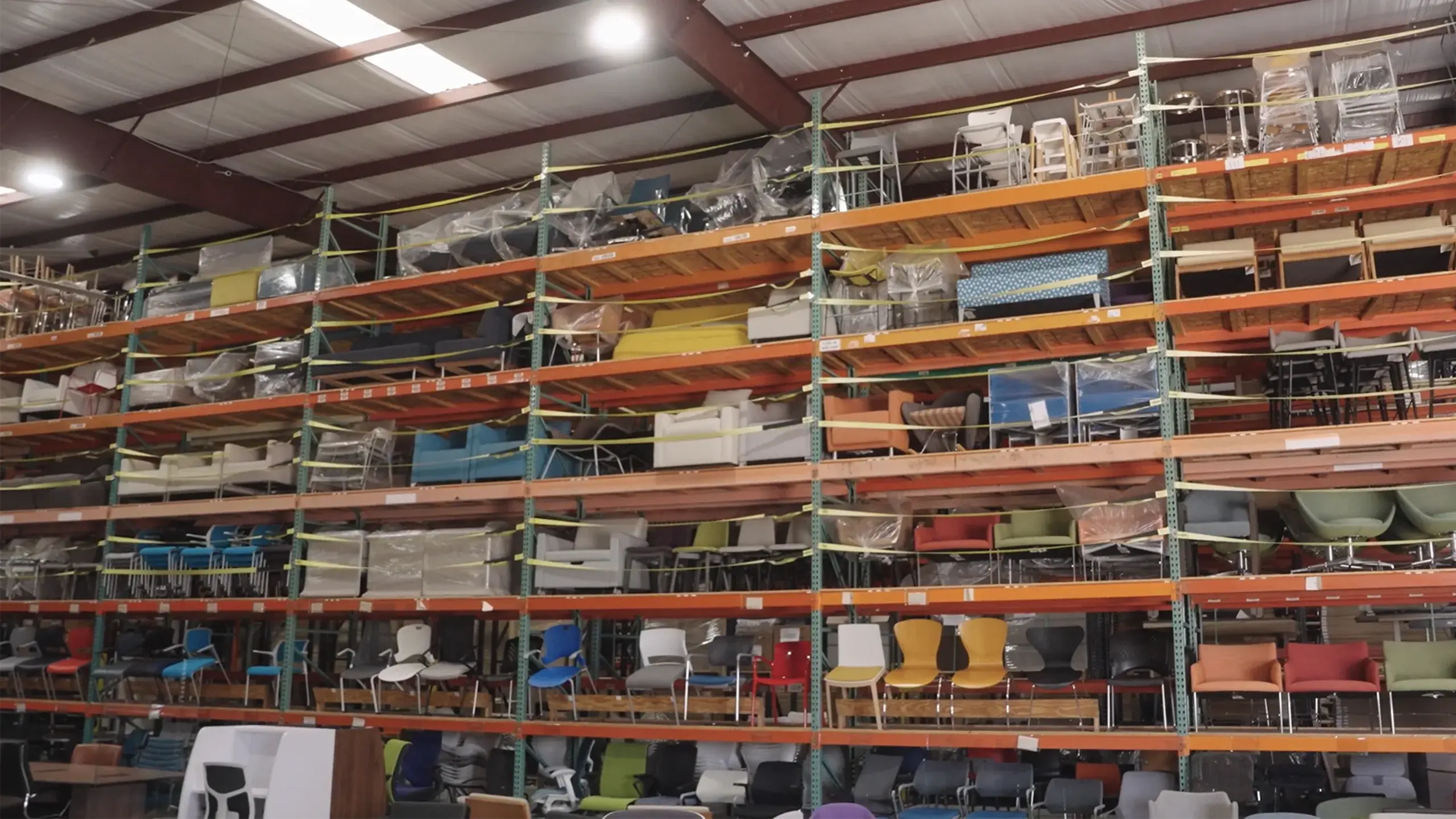
Getting office furniture from an overseas manufacturer to dealers across the United States takes coordination at every step. For i5 Industries, that means connecting international shipping, port drayage and less-than-truckload (LTL) transportation through a logistics partner that understands its business.
8 min read
Office Furniture Logistics: How i5 Industries Grows With Averitt
Topics: International PortSide Supply Chain LTL
15 min read
Q4 2026 Supply Chain & Logistics Outlook

The fourth quarter begins with a mix of encouraging economic signals and continued uncertainty. Demand is strengthening in several areas, but rising fuel costs, tighter capacity, regulatory changes and global transportation disruptions are creating new challenges for shippers.
Topics: International Mexico Supply Chain Truckload LTL Distribution and Fulfillment Industry News Intermodal
17 min read
Q3 2026 Supply Chain & Logistics Outlook
Q3 2026 marks a turning point. After one of the longest freight downturns in modern trucking history, soft capacity and shipper-favorable pricing dating back to 2022, the market is tightening across nearly every mode.
Topics: International Mexico Supply Chain Truckload LTL Distribution and Fulfillment Industry News Intermodal
5 min read
June 2026 Transpacific Freight Market Update: Rising Rates, Tight Capacity, and What to Do Next

If you have international shipments moving from Asia to the U.S., conditions in the Transpacific Eastbound (TPEB) market have changed significantly in recent weeks. Space is tight, rates are climbing, and the window to act is narrowing.
Topics: International Supply Chain Industry News
4 min read
Supreme Court: Brokers Must Reasonably Vet Carriers. Averitt Already Does.

On May 14, 2026, the U.S. Supreme Court handed down a unanimous decision in Montgomery v. Caribe Transport II, LLC that immediately changed the freight brokerage industry. For brokers who have been cutting corners on carrier vetting, the ruling is a wake-up call. For Averitt, it is confirmation of what we have been doing all along.
Topics: Supply Chain Truckload LTL Industry News
13 min read
Q2 2026 Supply Chain & Logistics Outlook
Q2 2026 arrives with more complexity than clarity. The Middle East conflict has introduced a new layer of economic uncertainty that is rippling across every mode of transportation, driving fuel costs higher, disrupting international trade lanes, and adding pressure to supply chains that were just beginning to find their footing.
Topics: International Mexico Supply Chain Truckload LTL Distribution and Fulfillment Industry News Intermodal
3 min read
What 1,000+ Shippers Are Saying About 2026

As supply chains move into 2026, the conversation has shifted. Shippers are no longer reacting to constant disruption—but they aren’t operating with full confidence either. Instead, planning decisions are being made with greater discipline, tighter assumptions, and far less margin for error.
Topics: Tariffs Supply Chain Industry News Supply Chain Strategy
10 min read
Q1 2026 Supply Chain & Logistics Outlook
The start of 2026 doesn’t bring a clean reset for the supply chain—but it does bring more clarity than we’ve had in recent years. Across transportation, ports, and warehousing, conditions are being shaped less by sudden demand swings and more by structural changes: tighter capacity, regulatory enforcement, evolving trade patterns, and the lingering influence of trade policy and tariffs on sourcing and routing decisions. Together, these forces are reinforcing the need for flexibility when disruptions occur.
Topics: International Mexico Supply Chain Truckload LTL Distribution and Fulfillment Industry News Intermodal
1 min read
Heightened Focus on Illegal Truck Drivers Highlight the Importance of Doing Things Right
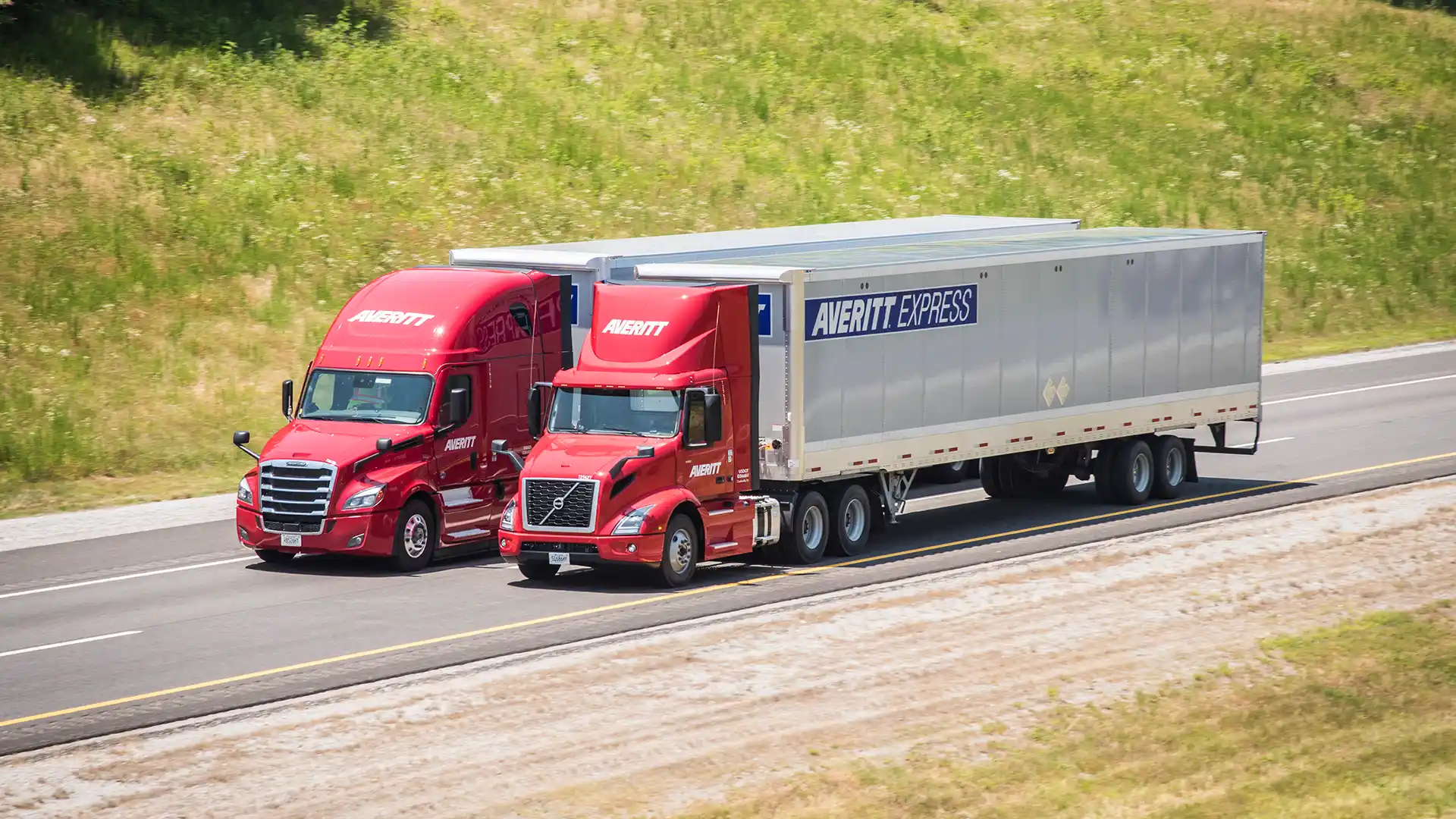
Throughout this year, the transportation industry has seen heightened federal enforcement focused on driver licensing, cabotage regulations, and English language proficiency requirements. These initiatives, including Operation Midway Blitz and related investigations, have resulted in thousands of drivers being taken off the road. Many experts predict tighter trucking capacity across the United States as a result.



