


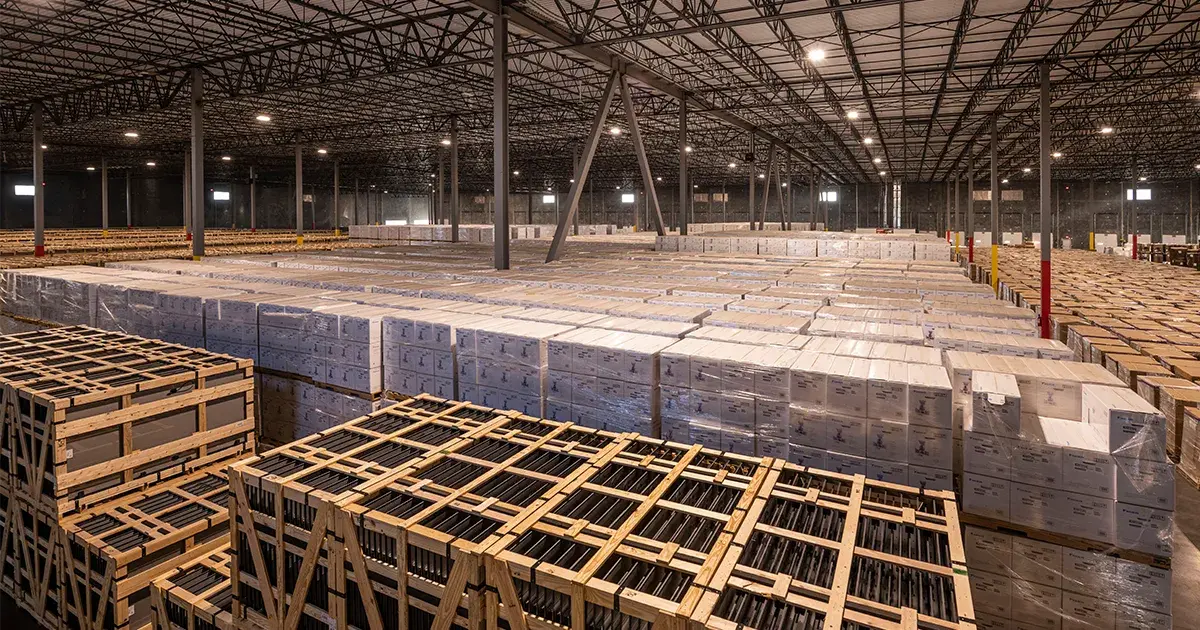
How much warehouse space will your business need six months from now? Will inventory be moving through the same markets? Will your customers need something different?
5 min read
Space to Adapt: Warehousing for Changing Demand
Topics: Distribution and Fulfillment Beyond Point to Point Supply Chain Strategy
15 min read
Q4 2026 Supply Chain & Logistics Outlook

The fourth quarter begins with a mix of encouraging economic signals and continued uncertainty. Demand is strengthening in several areas, but rising fuel costs, tighter capacity, regulatory changes and global transportation disruptions are creating new challenges for shippers.
Topics: International Mexico Supply Chain Truckload LTL Distribution and Fulfillment Industry News Intermodal
4 min read
Step Inside Averitt’s Nashville Warehouse: A Distribution & Fulfillment Tour
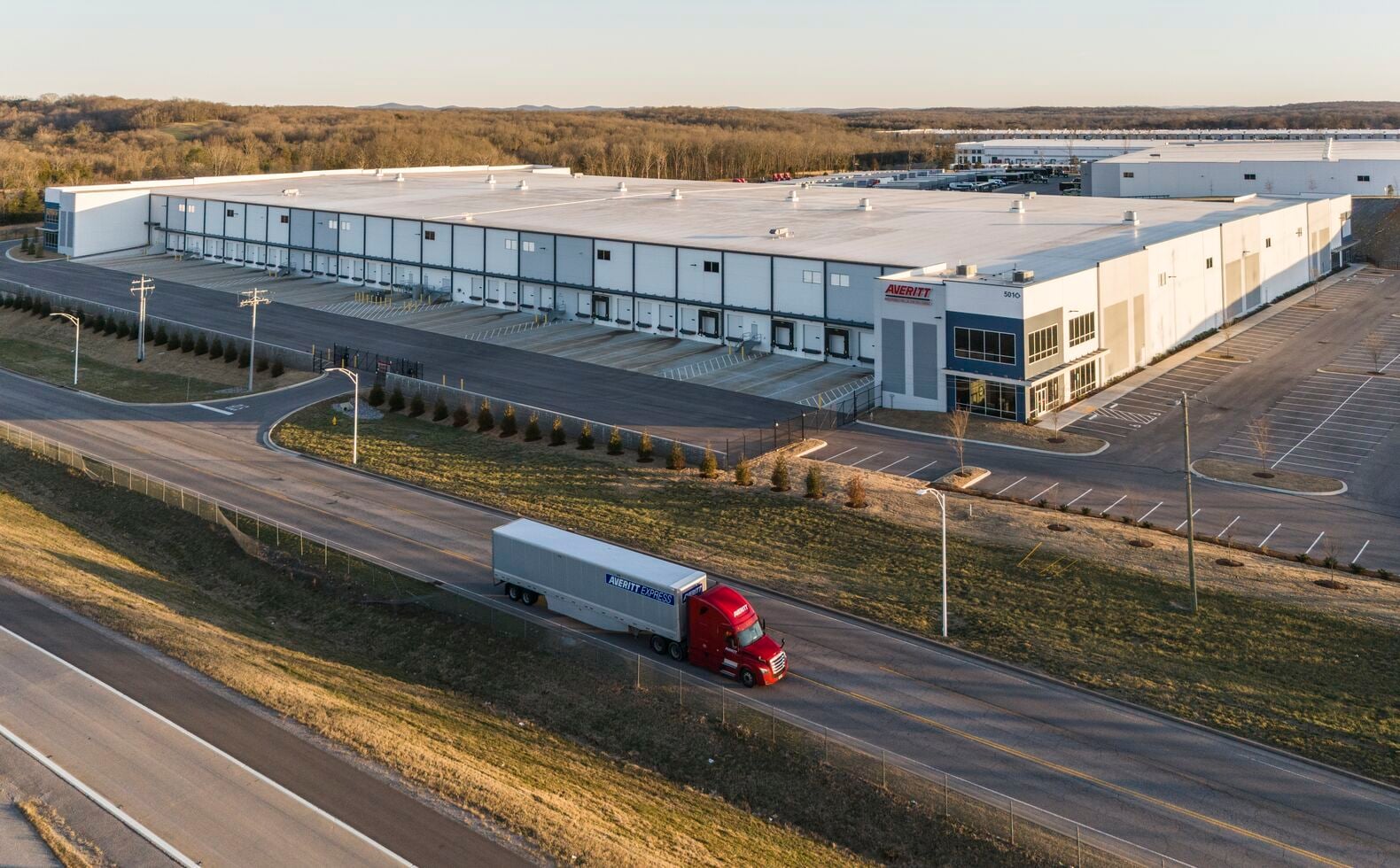
What does 290,000 square feet of flexible warehousing and fulfillment capacity look like in action?
Take a walk through Averitt’s Nashville Distribution & Fulfillment Center in Lebanon, Tennessee, with site manager Michael Perry. In this quick behind-the-scenes tour, Michael shows you the facility, technology and services that help customers store, manage and move inventory throughout Middle Tennessee and beyond.
Topics: Distribution and Fulfillment Nashville
17 min read
Q3 2026 Supply Chain & Logistics Outlook
Q3 2026 marks a turning point. After one of the longest freight downturns in modern trucking history, soft capacity and shipper-favorable pricing dating back to 2022, the market is tightening across nearly every mode.
Topics: International Mexico Supply Chain Truckload LTL Distribution and Fulfillment Industry News Intermodal
8 min read
Freight Shipping to Puerto Rico: What Shippers Need to Know

Freight shipping to Puerto Rico sounds straightforward until it isn't.
Topics: Truckload LTL Distribution and Fulfillment Supply Chain Strategy Puerto Rico
13 min read
Q2 2026 Supply Chain & Logistics Outlook
Q2 2026 arrives with more complexity than clarity. The Middle East conflict has introduced a new layer of economic uncertainty that is rippling across every mode of transportation, driving fuel costs higher, disrupting international trade lanes, and adding pressure to supply chains that were just beginning to find their footing.
Topics: International Mexico Supply Chain Truckload LTL Distribution and Fulfillment Industry News Intermodal
6 min read
The Logistics Problem Most AI Data Center Projects Don't See Coming
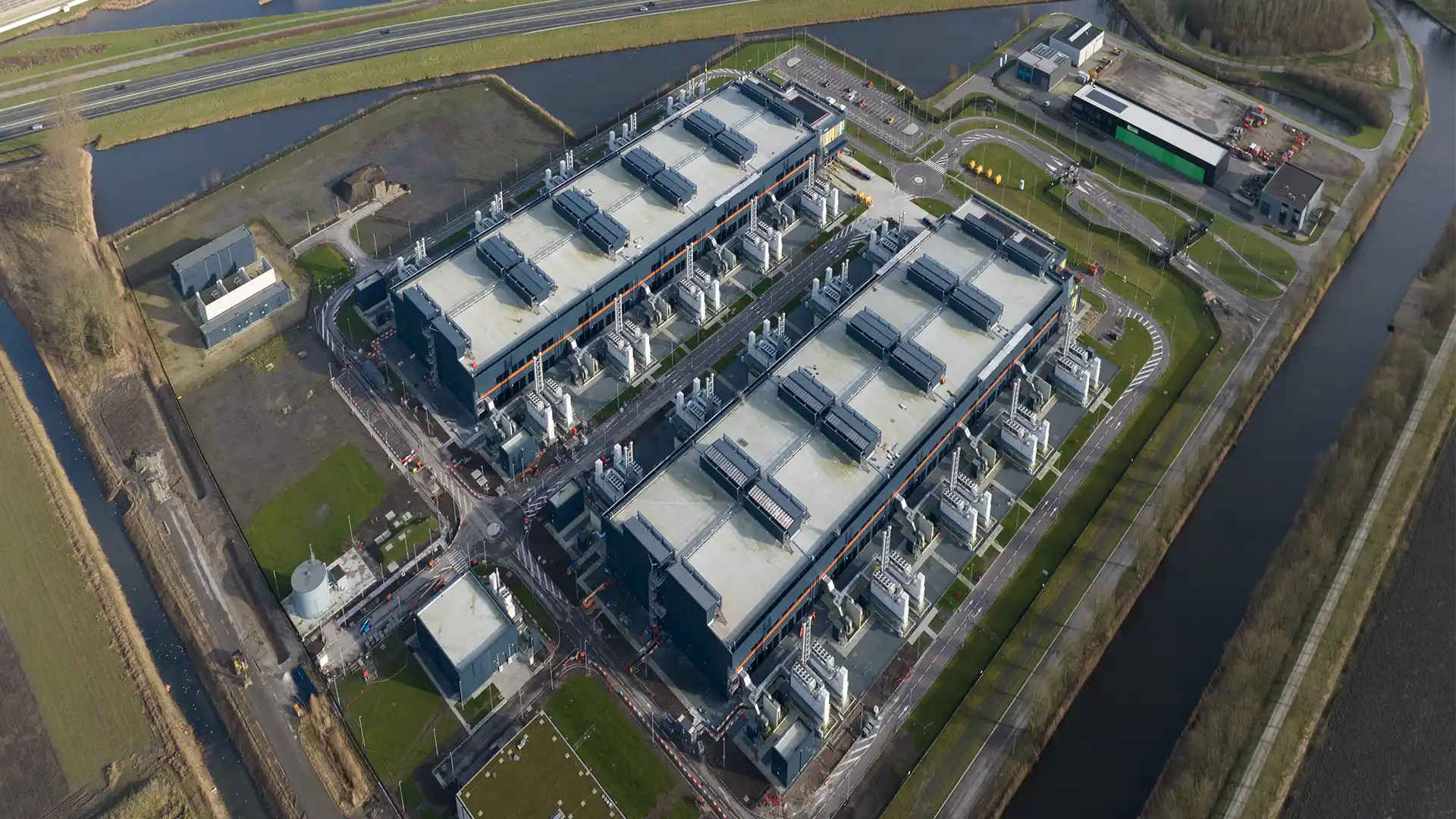
The AI data center buildout is the largest infrastructure investment cycle in modern history. U.S. spending on data center construction starts reached an estimated $77.7 billion in 2025 according to Equipment World – a 190% year-over-year increase – and Moody's projects $3 trillion in global spending over the next five years to keep pace with AI capacity demand. With more than 2,788 data centers currently announced or under construction across the U.S., the pressure on every link in the supply chain – including logistics – has never been greater.
Topics: Expedited Truckload LTL Distribution and Fulfillment Industry News Supply Chain Strategy
5 min read
Warehousing, Ports, and the Case for Flow in 2026
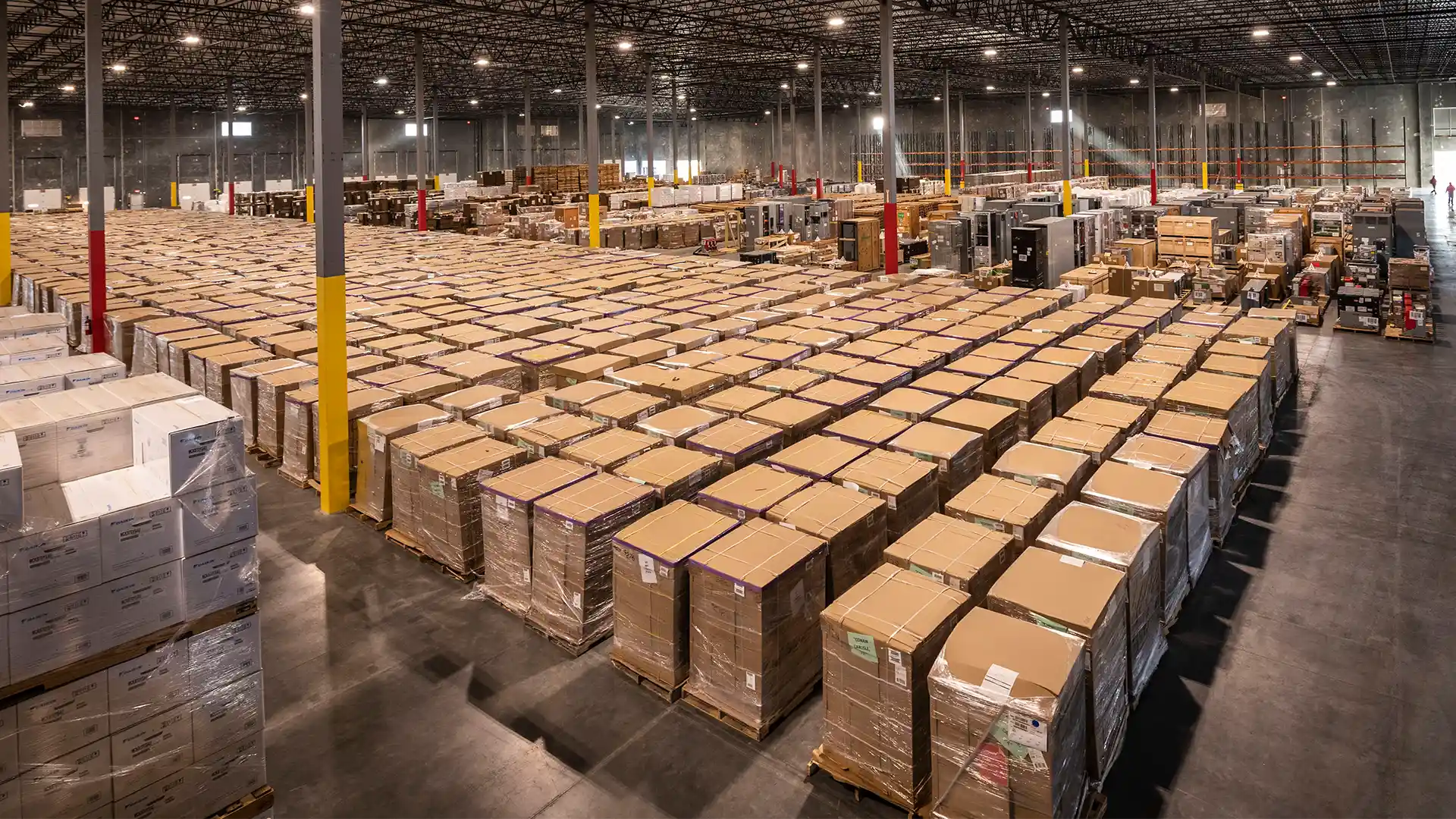
As we move into 2026, the warehousing market is showing early signs of moderation—but not normalization. While select markets are beginning to soften, warehouse costs nationally remain elevated compared to pre-2020 levels, and pricing behavior continues to vary widely by geography.
Topics: PortSide Distribution and Fulfillment Industry News Supply Chain Strategy
10 min read
Q1 2026 Supply Chain & Logistics Outlook
The start of 2026 doesn’t bring a clean reset for the supply chain—but it does bring more clarity than we’ve had in recent years. Across transportation, ports, and warehousing, conditions are being shaped less by sudden demand swings and more by structural changes: tighter capacity, regulatory enforcement, evolving trade patterns, and the lingering influence of trade policy and tariffs on sourcing and routing decisions. Together, these forces are reinforcing the need for flexibility when disruptions occur.



