
.png?width=542&height=179&name=PNG-Averitt%2055%20Years%20RED%20ODFIP%20(1).png)


Q2 2026 arrives with more complexity than clarity. The Middle East conflict has introduced a new layer of economic uncertainty that is rippling across every mode of transportation, driving fuel costs higher, disrupting international trade lanes, and adding pressure to supply chains that were just beginning to find their footing.
At the same time, structural changes in the domestic trucking market continue to tighten capacity, and tariff uncertainty following the February Supreme Court ruling on IEEPA tariffs has left many shippers in a holding pattern on inventory and sourcing decisions.
The outlook isn't without bright spots:
- Seasonal freight demand is building across multiple verticals
- Cross-border investment continues, signaling long-term confidence in US-Mexico trade
- Intermodal is emerging as a more viable option than it has been in years
But the margin for error is smaller than it was heading into Q1, and the window to act proactively on capacity, rates, and network strategy is narrowing.
As in past quarters, this outlook brings together perspectives from Averitt's service leaders, each focused on what they're seeing firsthand within their area of the supply chain. Taken together, their insights point to a common theme: the organizations that move now to secure capacity, lock in rates, and stress-test their supply chain strategies will be far better positioned than those who wait for conditions to force their hand.
Jump to a specific service-area outlook below to see how market conditions are shaping for Q2 2026.
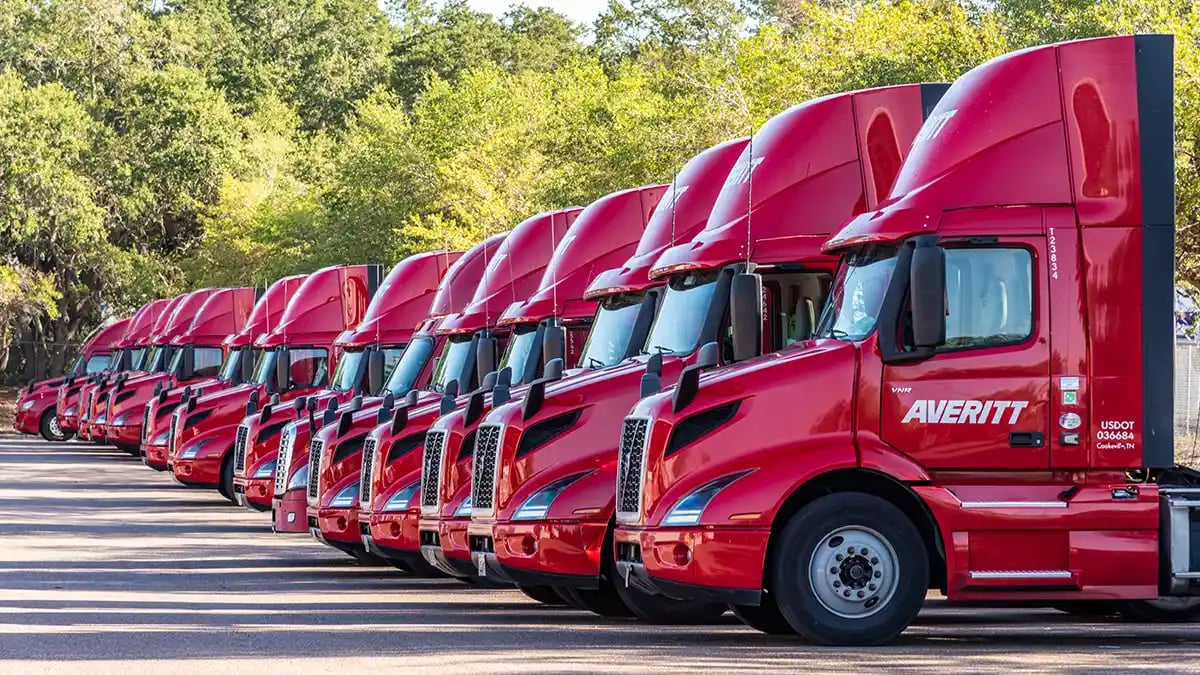
LTL Outlook: Recovery Is Building, Uncertainty Remains
Larry Mason, Vice President of Operations
The truckload market's ongoing recovery in rates and capacity is beginning to create a ripple effect in LTL. As truckload becomes less cost-effective for smaller shipments, shippers tend to shift that freight to LTL, and we're starting to see early, sporadic signs of that transition. It hasn't been consistent yet, but the directional movement is encouraging.
The Middle East conflict has introduced a new layer of economic uncertainty at a moment when conditions were beginning to improve. Fuel costs have jumped significantly, putting strain on shippers' operating expenses and potentially the cost of goods if elevated prices persist over an extended period. That uncertainty has tempered what could have been a more pronounced recovery.
That said, seasonal growth is expected to continue over the next several months, and the near-term trend is pointing in the right direction. Should fuel prices stabilize and the situation in the Middle East begin to settle, LTL growth could move well beyond typical seasonal patterns. The foundation is there, and it is a matter of conditions allowing it to build.
Click Here To Learn More About Averitt LTL
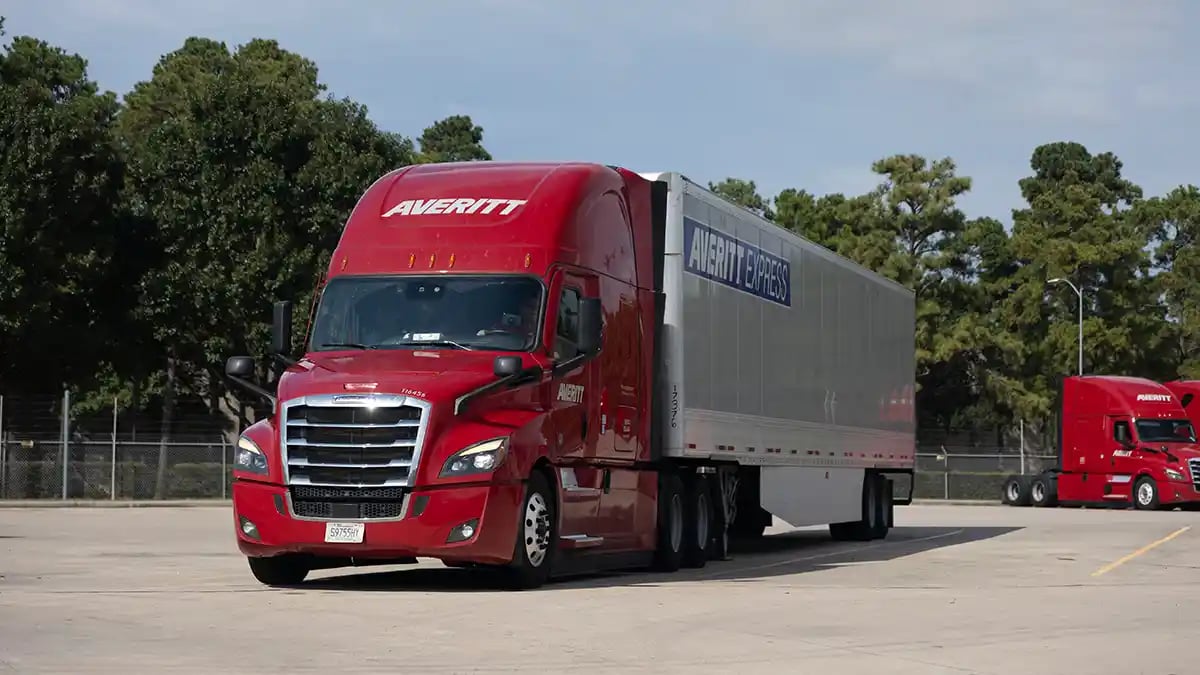
Truckload Outlook: Capacity Continues to Tighten
Jeff Edwards, Vice President of Truckload Sales
The truckload capacity story that began taking shape in Q1 isn't fading. It's accelerating. Early signs of tightening emerged in January, and when February brought similar conditions, many attributed it to winter weather disruptions. Now, it's clear this is a structural shift, not a seasonal blip.
Capacity has been steadily removed from the market through continued regulatory enforcement, particularly the ongoing crackdown on non-English-speaking drivers and drug and alcohol compliance measures. These aren't new pressures, but their cumulative effect is now being felt more broadly across the industry.
At the same time, seasonal demand is layering on top of an already-lean supply base. Agricultural freight is ramping up, construction activity is picking back up as weather improves, and consumer-driven categories like gardening and home improvement are adding volume. These are predictable seasonal patterns, but in a market with less available capacity than we've seen in recent years, their impact is amplified.
The numbers back it up. According to FreightWaves, dry van spot rates have recovered 20–25% year-over-year in key lanes, with national tender rejection rates running in the low-to-mid teens and the Midwest already pushing above 18%. As a result, more shippers are moving away from the spot market and looking to lock in contractual rates while reliable capacity is still available.
The message for Q2 is straightforward: conditions are tightening and seasonal pressures are just getting started. Shippers who act now to secure capacity through contract agreements will be better positioned than those who wait.
Click Here To Learn More About Averitt Truckload
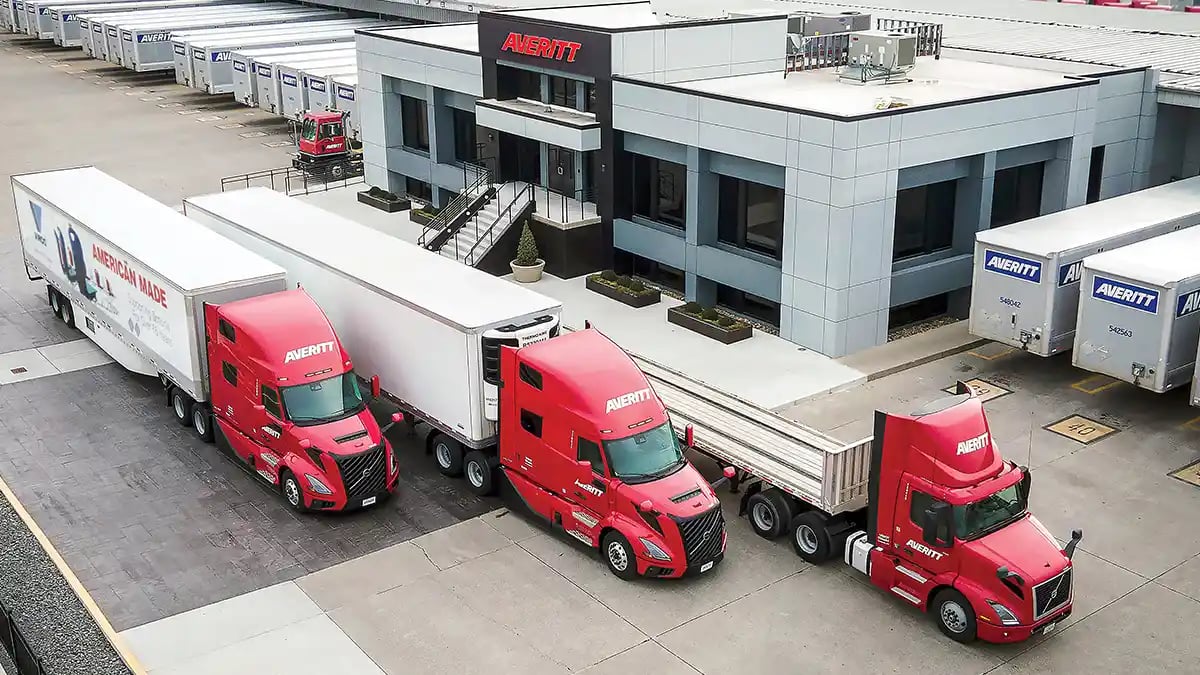
Dedicated Transportation Outlook: The Window to Act Is Narrowing
David Fussell, Vice President of Dedicated Sales
The market is shifting, and if you're a shipper, you've probably already felt it. The available driver pool is shrinking, and several converging forces are responsible. The DOT's continued enforcement of English Language Proficiency standards, the shutdown of non-compliant CDL schools, and crackdowns on cabotage (the illegal movement of domestic loads by foreign-registered CDL holders) have all taken drivers off the road. The Dalilah Law, a Senate bill that would restrict CDL eligibility and mandate English-only testing and recertification, has the potential to accelerate that trend significantly if enacted.
The result has been a steady rise in spot rates over the past several months, with no indication that pressure is letting up. Not surprisingly, we're seeing a high volume of pricing requests for dedicated transportation as shippers look to get ahead of the volatility. It makes sense: dedicated fleet solutions offer locked-in capacity, a consistent and familiar driver pool, strong on-time performance, and a near elimination of damage claims.
The signs of a tightening market have been building for weeks. Shippers who are weighing a dedicated solution should move sooner rather than later.
Click Here To Learn More About Averitt Dedicated
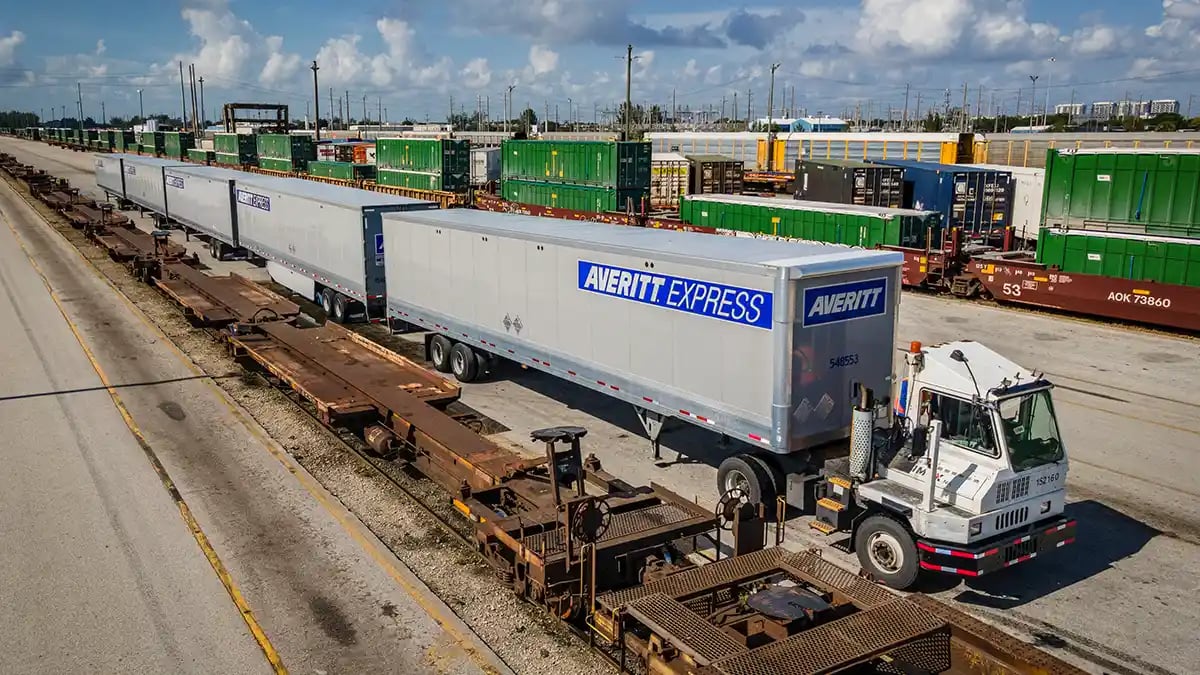
Intermodal Outlook: A Strategic Shift Worth Making
Allison Phillips, Intermodal Leader
The case for intermodal is getting stronger by the quarter. We're seeing several factors that are making intermodal a more strategic option for shippers than it has been in recent years.
Rising fuel costs across the U.S. (particularly in key freight corridors) are putting pressure on overall transportation spending.
Truckload rates have climbed to a three-year high, and capacity has tightened, making it more difficult for shippers to consistently secure cost-effective solutions.
As a result, we expect to see an increase in shippers transitioning from over-the-road to intermodal, especially on long-haul freight. Intermodal provides a fuel-efficient alternative and a reliable capacity solution in tightening markets such as border regions and key Southeast lanes.
Shippers who proactively evaluate their networks and identify freight that can convert to rail will be better positioned to navigate cost volatility and capacity constraints in the months ahead.
Click Here To Learn More About Averitt's Intermodal Services
Warehousing Outlook: Managing Volatility in a Shifting Market
Ed Smith, Vice President of Distribution & Fulfillment
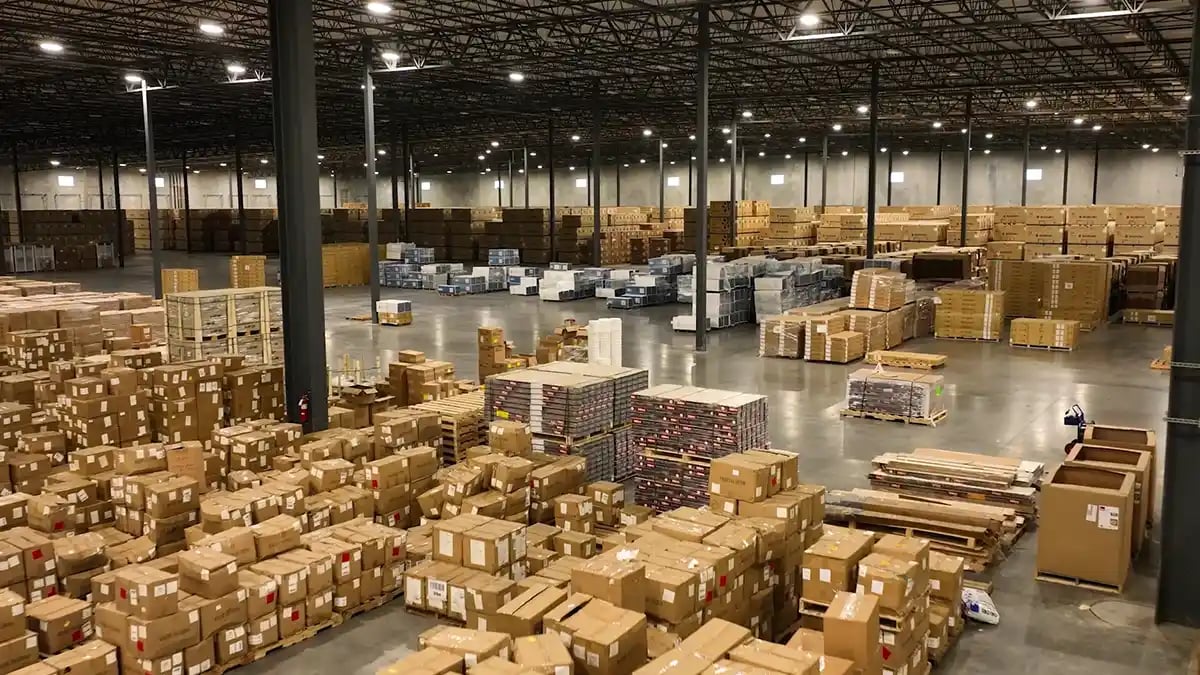
Heading into Q2, the warehousing market is being shaped by a familiar mix of external pressures, along with a few new ones worth watching closely. Tariff uncertainty continues to drive fluctuations in inventory volumes as shippers try to time purchasing decisions around potential cost increases, making it harder to plan space, labor, and inbound flow with confidence.
Fuel costs are another variable on the radar. Ongoing conflicts in the Middle East have the potential to drive energy prices higher, adding expense at every point in the supply chain. This is where the strategic positioning of inventory truly matters. Keeping product closer to key markets reduces road mileage and helps insulate shippers from the full impact of rising fuel costs.
Closer to home, warehouse space is beginning to tighten in high-demand markets. Shippers who haven't secured their fulfillment footprint may find themselves without the options they need when it matters most, particularly as inventory volumes pick back up and speed to market becomes a competitive priority again.
In an environment with this many moving parts, partnering with a provider focused on stability, flexibility, and consistency isn't a nice-to-have. It's a strategic advantage.
Click Here To Learn More About Averitt Distribution & Fulfillment
International Outlook: Middle East Conflict Reshapes Global Freight
Rich Egan, Vice President of International Solutions
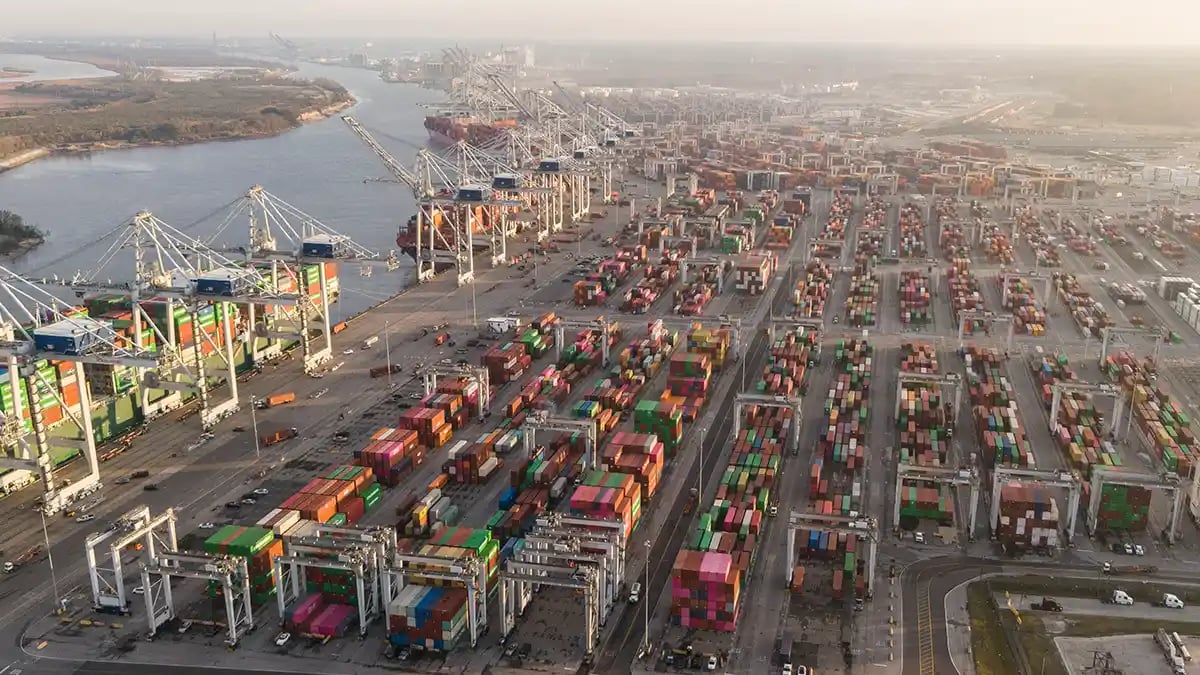
The international freight outlook that began 2026 on a path toward normalization shifted significantly following the February 20th Supreme Court ruling on IEEPA tariffs and the onset of the Middle East conflict in March. The conflict has a multi-tier impact on the logistics industry and continues to drive disruptions in both ocean and air services, with the near-term outlook closely tied to how conditions in the region develop.
Ocean Freight
Westbound Asia and Oceanic services are experiencing the greatest disruption from the Middle East conflict. The impact is creating route diversions, port congestion and closures, container shortages, and higher transportation costs and surcharges. Vessel routings expected to return to the Suez Canal are delayed for an undetermined period and are once again routed around the Cape of Good Hope. The disruption to westbound service is also having a continued impact on service and rates for transatlantic westbound traffic.
Transpacific Market
- Many (ocean) carriers have postponed transpacific rate hikes due to weakness in demand, reflected in low utilization on USWC and USEC routes.
- Carriers have responded with blank sailings to stabilize costs impacted by low demand.
- The focus has shifted to annual contract negotiations.
- Carriers continue to leverage ongoing Middle East turmoil, rising fuel costs, and Red Sea disruptions to defend or improve contract terms.
- Expectations of higher bunker adjustment factor (BAF) surcharges are also reflected in contract discussions.
Overall, the transpacific market is expected to experience fewer service disruptions and maintain a higher degree of consistency. The market is still struggling with weak demand but gaining some tailwinds from external cost pressures to defend or lift ongoing contract negotiations.
Air Freight
Similar to the ocean market, air freight has been hit with service issues and cost increases caused by the disruption of the Middle East conflict. No-fly zones, grounded aircraft, and closed or constrained airports in the Middle East corridor are impacting a large portion of east-west air traffic. This will continue until risks are removed from the region. Fuel will continue to present a negative impact on rates and will remain until market costs decline.
Summary
In summary, the near term is expected to have similar results and impacts as experienced in March. The air freight market will continue with higher rates and diminished service until stabilization is accomplished in the Middle East. Ocean carriers will continue to leverage Middle East turmoil, rising fuel costs, and Red Sea disruptions to their advantage during annual contract discussions.
Click Here To Learn More About Averitt's International Services

Cross-Border Outlook: Reassess, Diversify, and Lock In While You Can
Ed Habe, Vice President of Mexico Sales
Mexico's position as the United States' top trading partner remains unchanged heading into Q2, but the operating environment has shifted considerably. The February Supreme Court ruling on IEEPA tariffs created a new layer of uncertainty. Just as shippers were adjusting to the tariff landscape, the ruling overturned it. Now companies are waiting on refunds with no clear government process in place, leaving many unsure of when or whether those refunds will materialize.
Fuel costs are adding to the pressure. The ongoing Middle East conflict is driving energy prices higher, and that impact cascades across the entire supply chain, from transportation to manufacturing. The further that conflict extends, the greater the cumulative cost burden on cross-border shippers. Capacity is tightening as well, with continued ELP enforcement and crackdowns on non-compliant drivers reducing available resources on both sides of the border. Layered on top of all of this, Q2 marks the peak of Mexico's produce season, which pulls significant capacity out of the market at a time when it is already lean.
Despite these headwinds, there are reasons for cautious optimism. New construction activity in Laredo, a key cross-border hub, signals that businesses are continuing to invest in cross-border infrastructure rather than pulling back. That kind of long-term commitment is an encouraging sign for the health of US-Mexico trade.
For shippers, this is a moment to reassess. Cross-border supply chains that haven't been evaluated in several years may be operating on outdated assumptions. Intermodal has matured significantly as a cross-border option and deserves a serious look, particularly when evaluating domestic destination markets and priority lanes. Diversifying beyond a single over-the-road strategy reduces exposure to capacity volatility. And with rates expected to continue rising as fuel costs and capacity constraints persist, locking in contractual rates now is a practical step toward protecting your supply chain through the rest of the year.
Click Here To Learn More About Averitt's Mexico Services
Bringing It All Together
Across every service area, the Q2 2026 outlook is shaped by a handful of forces that are impossible to ignore:
- The Middle East conflict is the most immediate wildcard, driving fuel costs higher and disrupting ocean, air, and cross-border freight in ways that are still unfolding
- Tariff uncertainty continues to complicate inventory planning and sourcing decisions
- A shrinking driver pool, driven by regulatory enforcement, pending legislation like the Dalilah Law, and ongoing compliance crackdowns, is tightening truckload and dedicated capacity at a pace that seasonal demand is only accelerating
The common thread across all of these dynamics is that waiting is a strategy with real costs. Consider what is already in motion:
- Spot rates are rising
- Warehouse space is tightening in key markets
- Intermodal capacity windows that exist today may not be available at the same terms in 90 days
Shippers who take time now to evaluate their networks, diversify their transportation strategies, and lock in contractual arrangements will be in a fundamentally stronger position as the year progresses. The uncertainty is real, but so is the opportunity to get ahead of it. The organizations that plan with intention in Q2 will have options. Those that don't may find themselves reacting to a market that has already moved on without them.
Watch the short video below to learn more about how Averitt can help you at every turn in your supply chain. One Partner. Endless Possibilities. That's the Power of One.
Planning ahead?
If capacity, inventory flow, or service reliability are on your radar, a consultation can help translate market conditions into practical next steps for your supply chain.