.png?width=542&height=179&name=PNG-Averitt%2055%20Years%20RED%20ODFIP%20(1).png)


Freight shipping to Puerto Rico sounds straightforward until it isn't.
It's a U.S. territory. No customs clearance, no international paperwork, right? Not exactly. Freight to Puerto Rico still travels by scheduled ocean sailing, still requires a commercial invoice, and still involves on-island processes before a single pallet reaches its destination. For shippers who treat it like a standard domestic move, the surprises tend to show up at the worst possible time.
Here's what separates smooth island shipping from the kind that stalls at the port.

Documentation Isn't Optional
The most common cause of Puerto Rico freight shipping delays isn't weather, capacity, or ocean transit. It's paperwork.
Every Puerto Rico shipment requires a completed commercial invoice before it sails. Shipments valued over $2,500 require an additional Electronic Export Information (EEI) filing. Incomplete consignee details, vague product descriptions, or a missing declared value can hold freight at the port while schedules move on without it.
Working with a provider that guides you through documentation requirements upfront isn't a nice-to-have. It's the difference between hitting your sailing and missing it.
Transit Time Is Not a Fixed Number
"How long does freight shipping to Puerto Rico take?" is one of the first questions shippers ask, and one of the hardest to answer with a single number.
Transit time depends on when freight is picked up, when the port cutoff falls, and when the next vessel departs. A shipment picked up one day earlier or later can shift delivery by a meaningful window. Providers who quote a static average are setting shippers up for planning problems.
Accurate transit estimates account for actual sailing schedules, not generic averages. That precision matters especially when you're managing inventory flow, customer commitments, or time-sensitive product.
Curious about transit times for freight shipping to Puerto Rico from your location? Check out our easy-to-use transit time calculator and plug in your origin and island destination (A San Juan zip code, for example, would be 00901).
Getting to San Juan Is Only Part of the Job
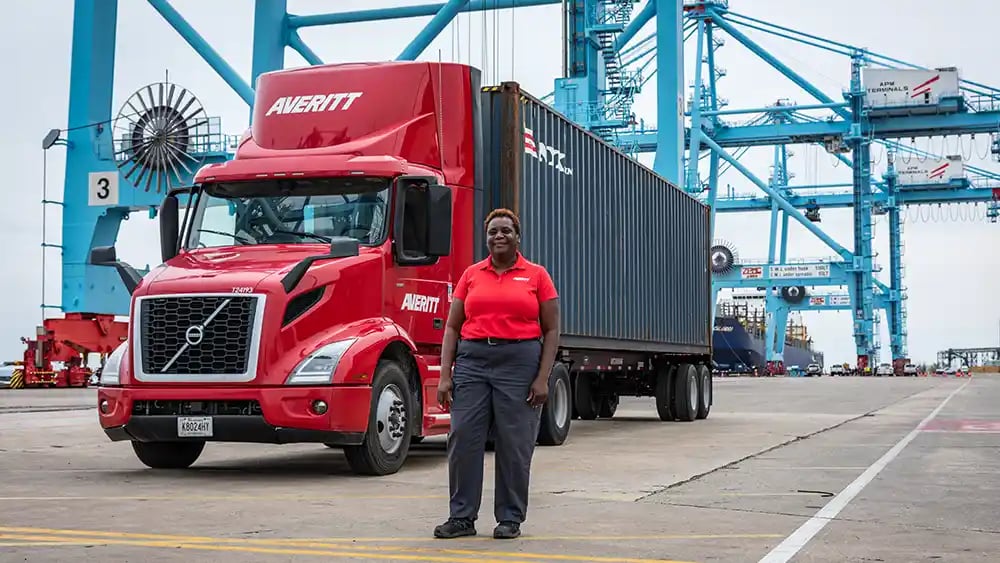
Many carriers focus on moving freight to the port. What happens after it arrives is where the experience gap shows up.
Puerto Rico isn't just San Juan. Island-wide delivery requires on-the-ground infrastructure, including drivers, distribution facilities, and relationships that extend well beyond the metro area. For shippers with recurring volume or broader geographic reach across the island, the ability to stage inventory locally, consolidate inbound freight, and execute pool distribution can change the economics of the whole program.
Averitt's Puerto Rico solution is built around that reality. Through a long-standing on-island partnership, Averitt customers have access to more than 600,000 square feet of warehousing and distribution space, 125+ delivery drivers operating daily across Puerto Rico, and capabilities that include pick-and-pack, kitting, SKU-level inventory management, and white-glove delivery, not just dock drops in San Juan.
What End-to-End Actually Means
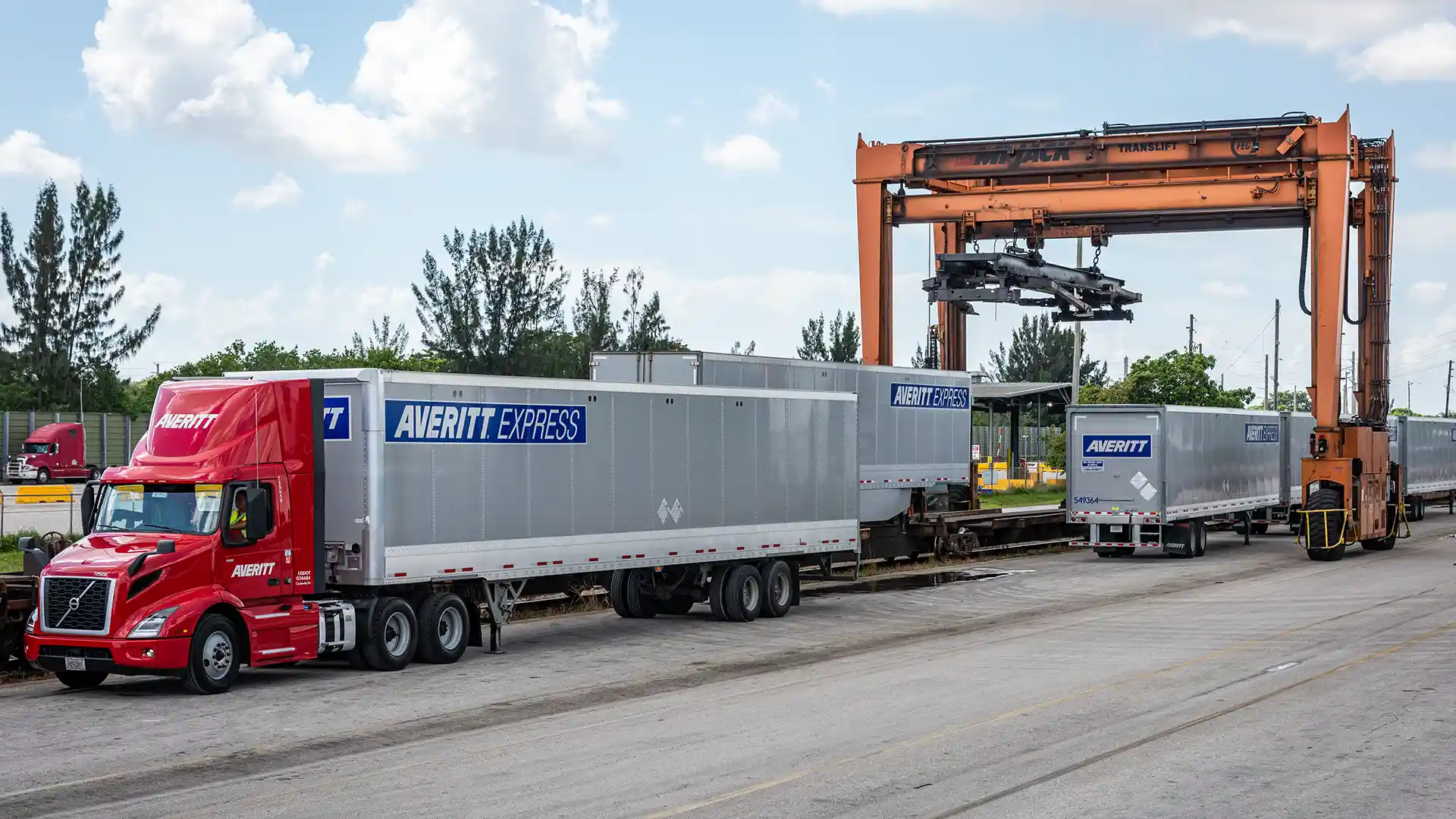
Freight shipping to Puerto Rico involves a lot of handoffs, and a lot of places where accountability can get blurry. Origin pickup, linehaul to the port, ocean sailing, on-island clearance and processing, final-mile delivery or distribution. Each step involves different timelines, different requirements, and different teams.
The shippers who navigate this most effectively tend to have one thing in common: a single point of contact who owns the process from start to finish. Not a mainland carrier who hands off at the port. A partner with visibility and accountability across the full journey.
That's the model Averitt operates under, one team, one contact, coordinated execution from continental U.S. pickup through island-wide delivery.
A Checklist Before Your Next Puerto Rico Shipment
Before you schedule your next freight shipment to Puerto Rico, make sure you can check these off:
- Origin confirmed, destination city on the island identified
- Shipment type determined (LTL, full container, or consolidation)
- Commercial invoice completed with accurate product descriptions and declared value
- EEI filing confirmed if shipment value exceeds $2,500
- Pickup date aligned to the sailing schedule, not just availability
- On-island delivery requirements confirmed (dock, liftgate, inside delivery, white glove)
- Local tax clearance responsibility identified
For shippers with recurring volume, it's worth evaluating whether on-island staging, pool distribution, or a consolidation program makes more sense than managing individual shipments.
Watch how Averitt manages freight from mainland pickup through island-wide delivery in Puerto Rico.
Frequently Asked Questions About Freight Shipping to Puerto Rico
Is shipping freight to Puerto Rico considered domestic or international?
What documents are required to ship freight to Puerto Rico?
How long does freight shipping to Puerto Rico take?
How do sailings to Puerto Rico work?
Can I get warehousing and distribution support on the island, not just port delivery?
Does Averitt deliver throughout Puerto Rico or only near San Juan?
What shipment sizes and types does Averitt handle for Puerto Rico?
Who handles local requirements before delivery in Puerto Rico?
Ready to Ship to Puerto Rico?
Averitt handles freight shipping to Puerto Rico from mainland pickup through island-wide delivery. Fill out the form below to connect with our team, or reach us directly at PuertoRico@Averitt.com or 1-800-AVERITT.