


How much warehouse space will your business need six months from now? Will inventory be moving through the same markets? Will your customers need something different?

Joe Greek
Recent posts by Joe Greek
5 min read
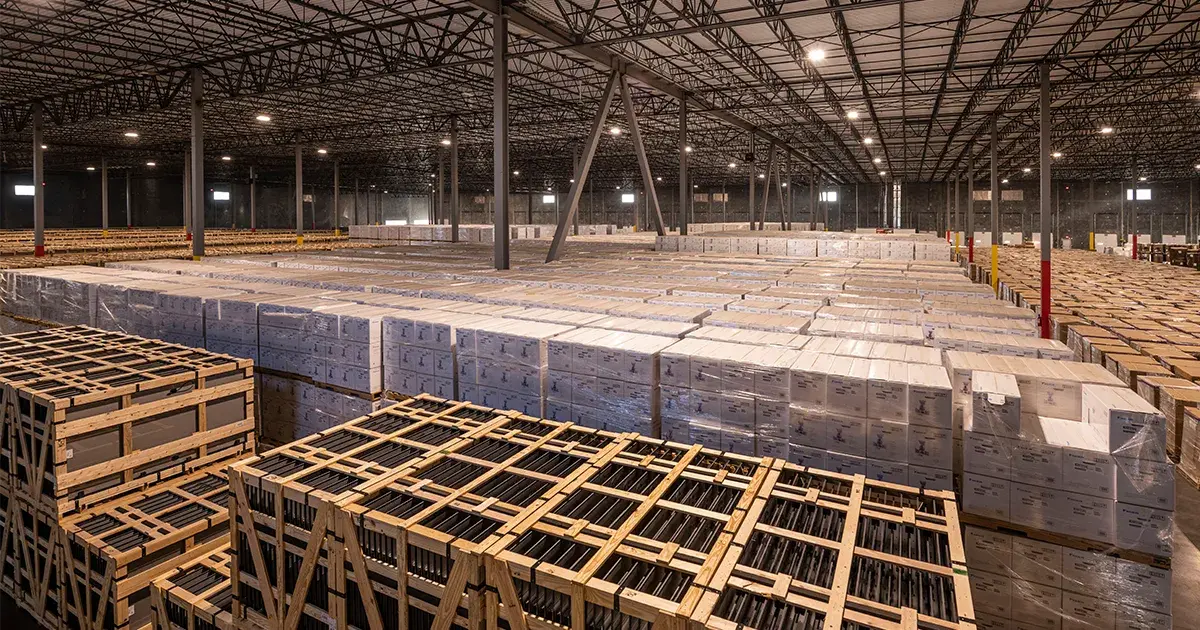
Space to Adapt: Warehousing for Changing Demand
Topics: Distribution and Fulfillment Beyond Point to Point Supply Chain Strategy
8 min read
Office Furniture Logistics: How i5 Industries Grows With Averitt
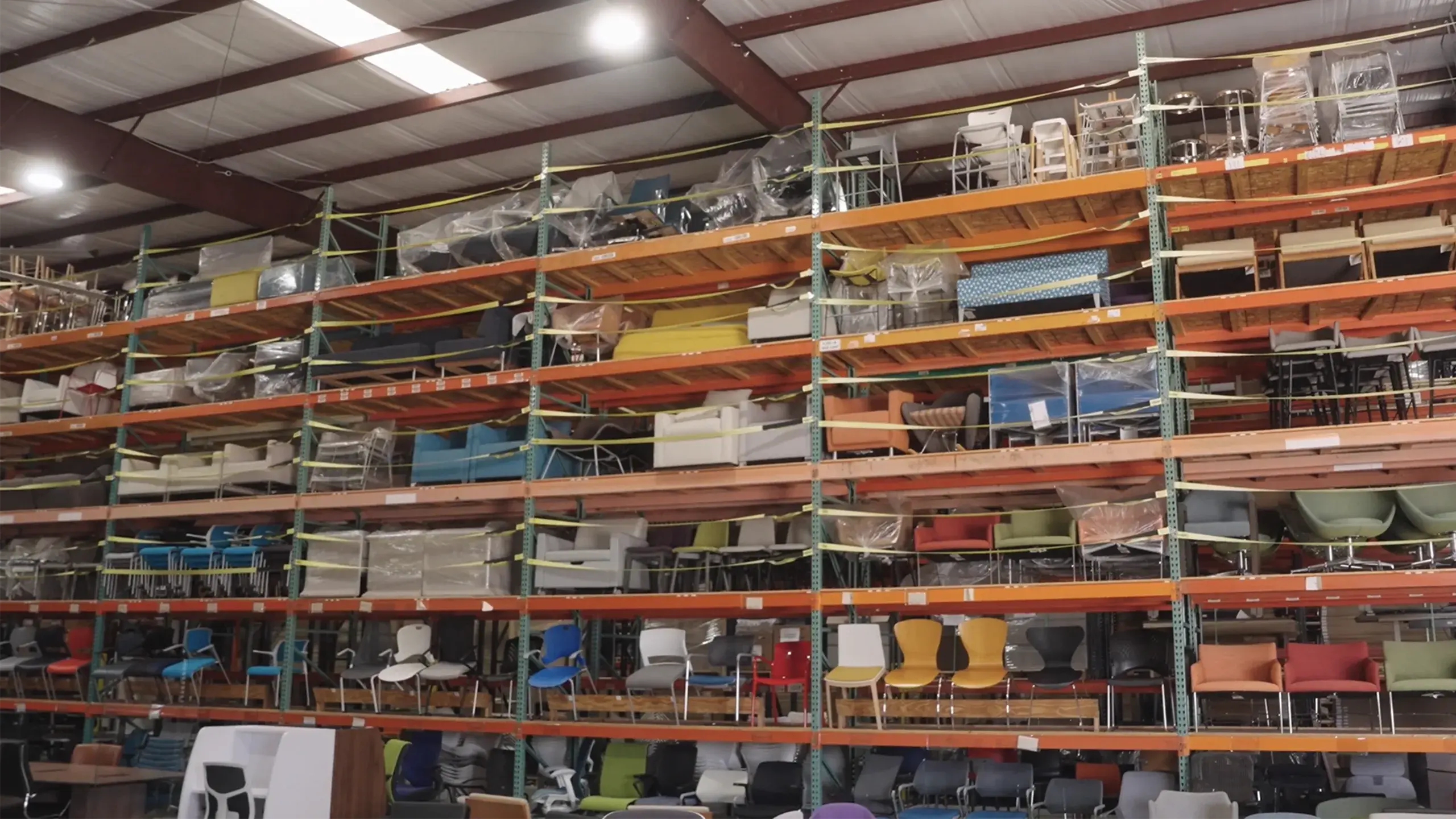
Getting office furniture from an overseas manufacturer to dealers across the United States takes coordination at every step. For i5 Industries, that means connecting international shipping, port drayage and less-than-truckload (LTL) transportation through a logistics partner that understands its business.
Topics: International PortSide Supply Chain LTL
15 min read
Q4 2026 Supply Chain & Logistics Outlook

The fourth quarter begins with a mix of encouraging economic signals and continued uncertainty. Demand is strengthening in several areas, but rising fuel costs, tighter capacity, regulatory changes and global transportation disruptions are creating new challenges for shippers.
Topics: International Mexico Supply Chain Truckload LTL Distribution and Fulfillment Industry News Intermodal
22 min read
From Coffee to Commerce: How Port NOLA Moves Global Trade
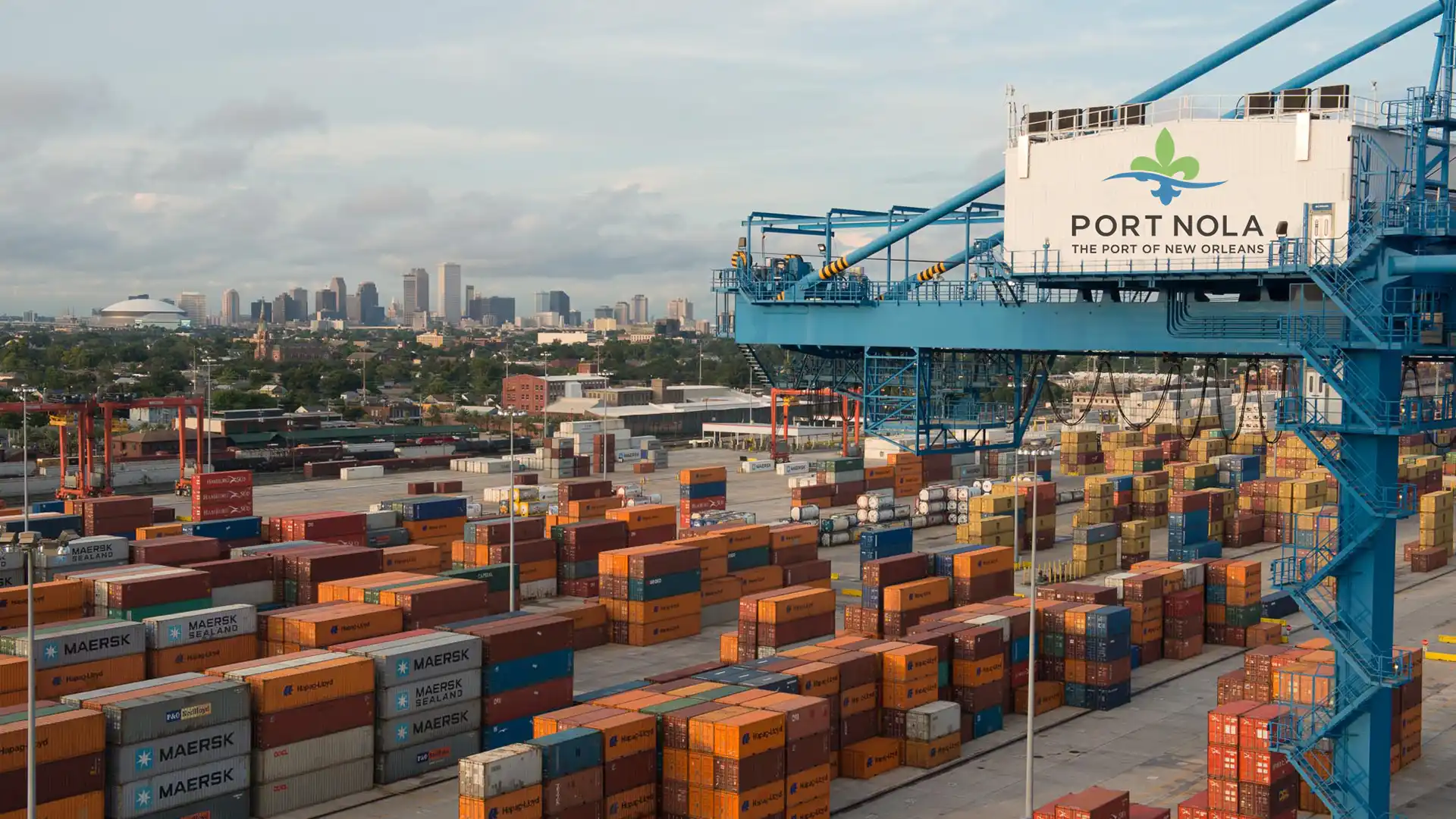
Most of us don't think about port infrastructure when we pour a morning cup of coffee. But before those beans ever reach a grocery store shelf or kitchen cabinet, they may have traveled thousands of miles by truck and vessel, passed through a U.S. port, and moved through a network of warehouses, distribution centers and transportation providers.
Topics: International PortSide Beyond Point to Point Supply Chain Strategy Intermodal
17 min read
Q3 2026 Supply Chain & Logistics Outlook
Q3 2026 marks a turning point. After one of the longest freight downturns in modern trucking history, soft capacity and shipper-favorable pricing dating back to 2022, the market is tightening across nearly every mode.
Topics: International Mexico Supply Chain Truckload LTL Distribution and Fulfillment Industry News Intermodal
5 min read
June 2026 Transpacific Freight Market Update: Rising Rates, Tight Capacity, and What to Do Next

If you have international shipments moving from Asia to the U.S., conditions in the Transpacific Eastbound (TPEB) market have changed significantly in recent weeks. Space is tight, rates are climbing, and the window to act is narrowing.
Topics: International Supply Chain Industry News
4 min read
Supreme Court: Brokers Must Reasonably Vet Carriers. Averitt Already Does.

On May 14, 2026, the U.S. Supreme Court handed down a unanimous decision in Montgomery v. Caribe Transport II, LLC that immediately changed the freight brokerage industry. For brokers who have been cutting corners on carrier vetting, the ruling is a wake-up call. For Averitt, it is confirmation of what we have been doing all along.
Topics: Supply Chain Truckload LTL Industry News
15 min read
Intermodal Shipping: Lower Costs, Reliable Capacity
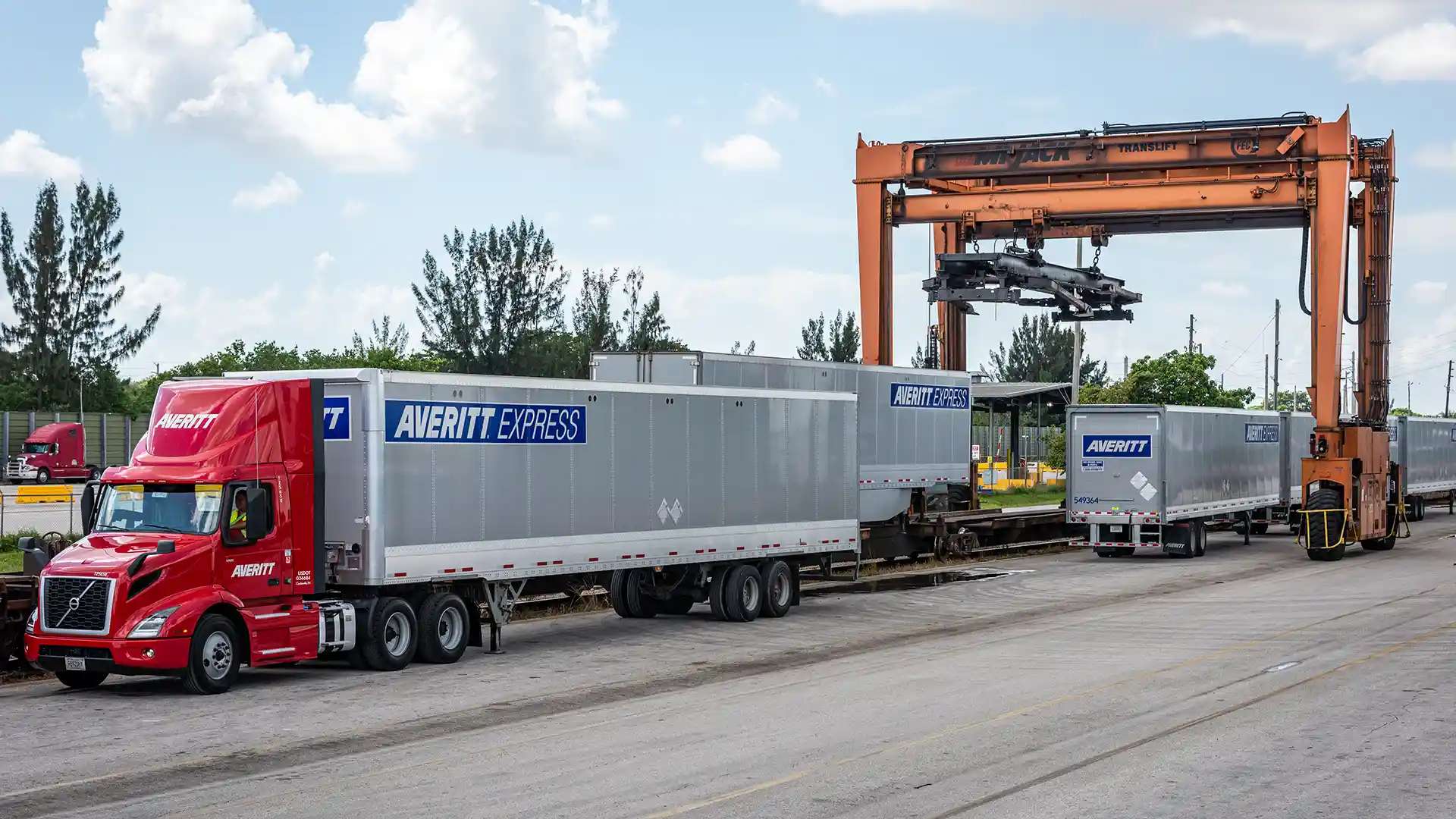
Intermodal transportation tends to get a reputation it doesn't quite deserve. Shippers hear "rail" and think slow, complicated, or risky for their freight. In practice, the reality is often the opposite. For the right lanes and freight types, intermodal can deliver meaningful cost savings while keeping transit times competitive with over-the-road service.
Topics: Truckload LTL Beyond Point to Point Supply Chain Strategy Intermodal
15 min read
Smarter Rates, Less Friction: The Evolution of Freight Technology

Freight pricing has always been complicated — but the tools shippers use to navigate it are changing fast. Transportation management systems (TMS) that once existed to track a shipment from point A to point B have evolved into full decision-making platforms. And AI is accelerating that shift in ways that are reshaping how both shippers and carriers operate.



