
.png?width=542&height=179&name=PNG-Averitt%2055%20Years%20RED%20ODFIP%20(1).png)


The start of 2026 doesn’t bring a clean reset for the supply chain—but it does bring more clarity than we’ve had in recent years. Across transportation, ports, and warehousing, conditions are being shaped less by sudden demand swings and more by structural changes: tighter capacity, regulatory enforcement, evolving trade patterns, and the lingering influence of trade policy and tariffs on sourcing and routing decisions. Together, these forces are reinforcing the need for flexibility when disruptions occur.
Rather than offering a single forecast, this outlook pulls together perspectives from Averitt’s service leaders—each focused on what they’re seeing firsthand within their area of the supply chain. While tariffs remain an important backdrop for global and cross-border planning, the insights below reflect how day-to-day operational realities are driving decisions in early 2026.
Taken together, these viewpoints provide a practical snapshot of the early-2026 freight environment. Whether the challenge is capacity discipline, inventory timing, compliance, or risk management, the common thread is preparation. The organizations that plan early and build flexibility into their networks will be best positioned as conditions continue to evolve through the year.
Jump to a specific service-area outlook below to see how market conditions are shaping early 2026.
- Less-Than-Truckload
- Truckload
- Dedicated Transportation
- Integrated & Intermodal
- International
- Ports & Warehousing
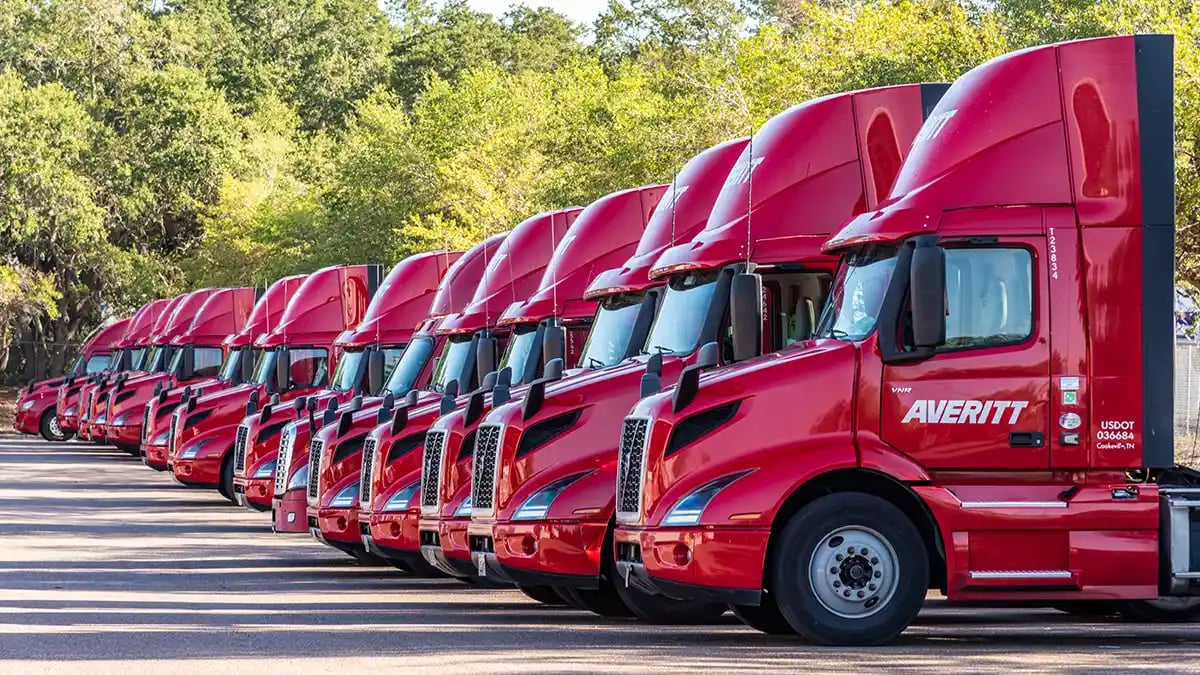
LTL Outlook: Stability First, Readiness Second
Larry Mason, Vice President of Operations
As Q1 2026 begins, domestic freight conditions—particularly in LTL—are expected to remain largely consistent with late 2025. Economic activity continues to be soft, and there is little indication of a near-term shift in demand.
Transportation providers are staying focused on improving efficiency through technology, process refinement, and network optimization rather than expanding capacity. In this environment, maintaining service quality and operational discipline remains the priority, as we continue to invest in equipment, people and facilities for the near future.
At the same time, there are early signs of tightening in parts of the truckload market as fewer drivers remain available, though those dynamics are not yet creating a noticeable impact on LTL. While meaningful change is more likely to emerge later in the year, these signals reinforce the importance of preparedness.
Averitt’s focus remains on consistent execution and reliability—positioning both the network and its customers to respond effectively as domestic freight conditions evolve.
Click Here To Learn More About Averitt LTL
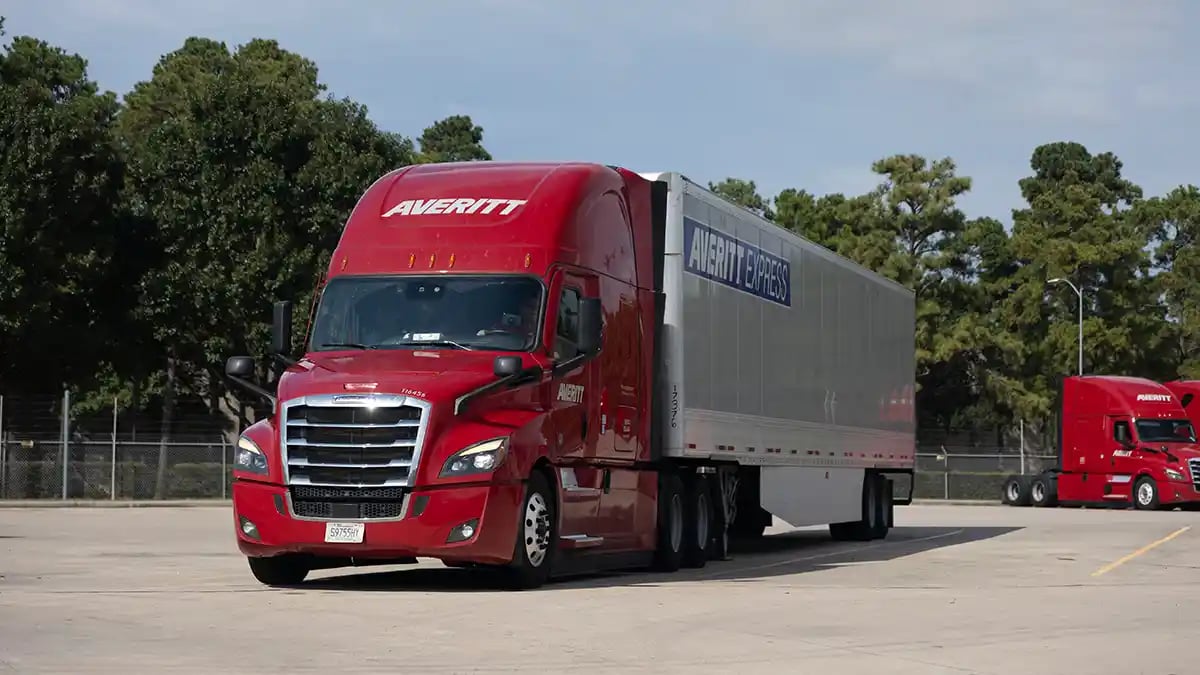
Truckload Outlook: Capacity Tightens as Compliance and Consolidation Take Hold
Jeff Edwards, Vice President of Truckload Sales
Truckload capacity is expected to continue to tighten due to structural and regulatory changes rather than a surge in shipper demand. Demand is expected to remain relatively flat in the near term, but the available pool of compliant carriers and drivers has shrunk following several high-profile carrier closures in 2025, combined with increased enforcement across the industry.
Multiple forces are contributing to this tightening environment:
- Carrier exits in 2025 have permanently reduced capacity, removing trucks and drivers that are unlikely to return to the market.
- Heightened CDL enforcement and the closure of fraudulent driving schools are further shrinking the available driver pool.
- Stricter enforcement of English Language Proficiency (ELP) requirements and increased scrutiny of cabotage and non-domiciled drivers continue to reduce non-compliant capacity.
- Seasonal demand patterns, layered on top of a leaner capacity base, are having a greater impact than they would have in a looser market.
While these conditions may create short-term pressure, they also support a healthier and more sustainable truckload environment over time. Shippers that prioritize reliable, compliant capacity and consistent service will be better positioned to navigate tightening conditions as the market continues to recalibrate.
Click Here To Learn More About Averitt Truckload
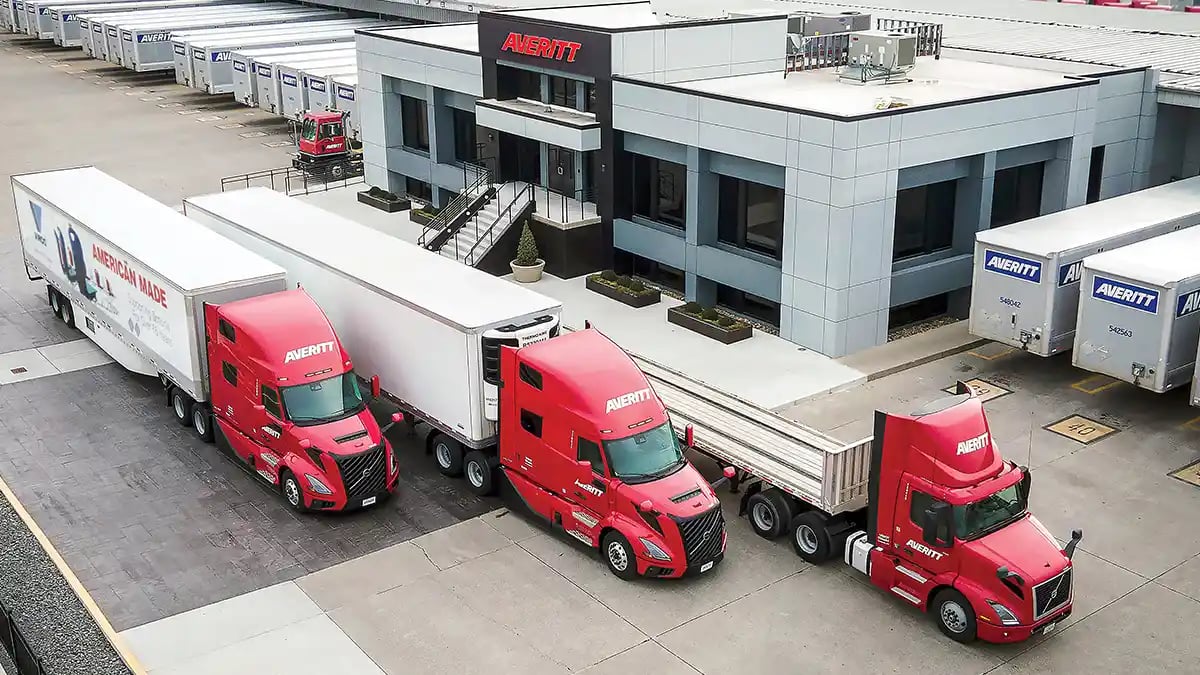
Dedicated Transportation Outlook: Less Slack, Less Forgiveness
David Fussell, Vice President of Dedicated Sales
The trucking market is operating with significantly less excess capacity than it had over the past several years. While freight demand remains uneven, the industry has undergone meaningful structural contraction—leaving shippers with far less flexibility if conditions change or volumes fluctuate.
Several forces are contributing to this tighter baseline:
- Carrier exits have permanently reduced capacity. Bankruptcies and closures in 2025 removed trucks and drivers from the market that are unlikely to return.
- Regulatory enforcement is shrinking the driver pool. The DOT and FMCSA crackdown on illegitimate CDL programs, along with enforcement of English Language Proficiency requirements, is correcting long-standing compliance gaps—reducing available capacity in the process.
- The market has less buffer than it appears. Even without a surge in demand, a leaner carrier base means disruptions, seasonal swings, or regional imbalances are felt more quickly.
In this environment, the risk for shippers isn’t just higher rates—it’s reliability. As transactional capacity becomes less predictable, many organizations are reassessing how they secure transportation.
Dedicated solutions are increasingly viewed as a way to lock in capacity, stabilize service, and control costs through contracted agreements, rather than reacting to volatility in a market that no longer has much room to absorb shocks.
Click Here To Learn More About Averitt Dedicated
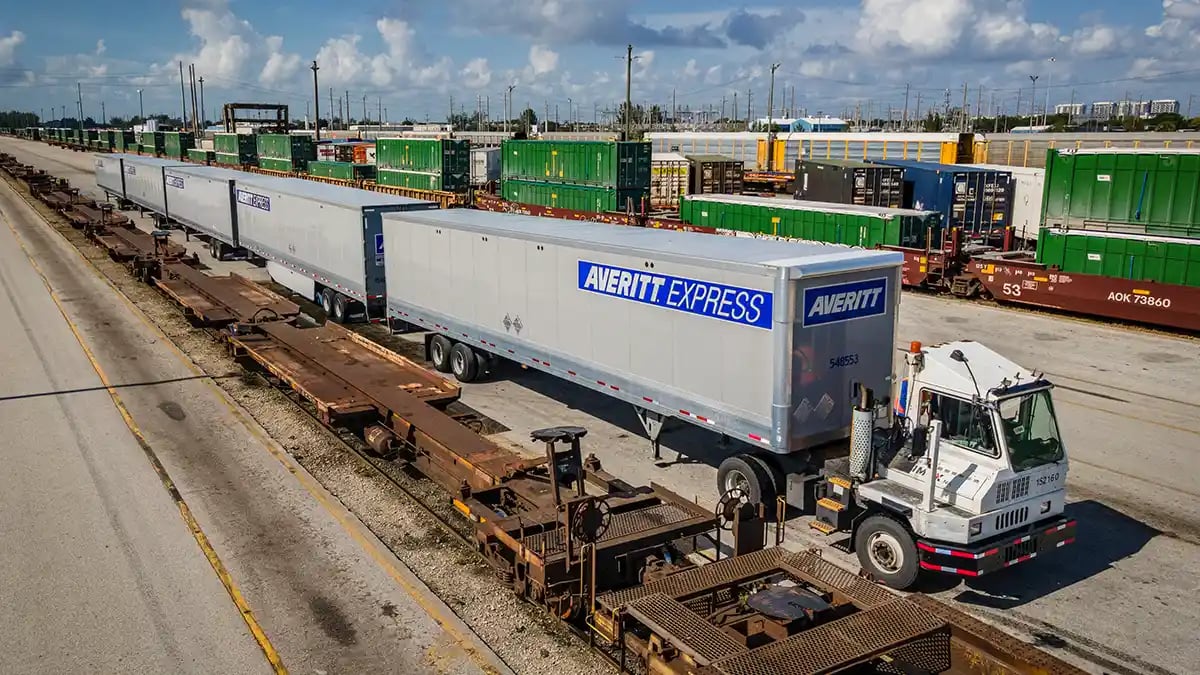
Integrated Outlook: Intermodal Moves from Alternative to Advantage
Steve McDonald, Vice President of Integrated Services
Ongoing truckload capacity constraints continue to shape North American freight strategies. Carrier exits, bankruptcies, and heightened regulatory enforcement—particularly around English Language Proficiency requirements—have reduced available over-the-road capacity, creating a market with less flexibility and greater sensitivity to disruption. These conditions are expected to persist into the early part of the year.
In response, intermodal is increasingly being evaluated as a primary strategy rather than a secondary option. Beyond mitigating winter road risk and providing sustainability benefits—including up to a 30% reduction in CO₂ emissions—intermodal is also gaining attention for cross-border shipments.
Ongoing protests and road blockades within Mexico have introduced additional uncertainty for over-the-road moves, and intermodal offers shippers a way to bypass potential disruptions while maintaining consistent cross-border flow. As reliability, risk management, and cost control remain top priorities, intermodal solutions are playing a more central role in resilient North American transportation networks.
Click Here To Learn More About Averitt Integrated

Cross-Border Outlook: Mexico Remains Central—But Strategy Matters More Than Ever
Ed Habe, Vice President of Mexico Sales
Mexico continues to anchor North American cross-border trade. Despite ongoing concerns around tariffs, enforcement, and regulation, freight volumes remain strong—reinforcing Mexico’s position as the United States’ top trading partner. What is changing is how shippers are approaching their cross-border strategies, with many taking their first serious look in years at whether their current networks are still efficient, cost-effective, and resilient.
That reassessment is being driven by two primary forces: cost pressure and resiliency.
Shippers are increasingly willing to challenge long-standing processes, looking for better routing, consolidation opportunities, and contingency plans beyond a single sourcing or transportation strategy. We’re also seeing heightened interest in flexibility—both geographically and operationally—so companies can shift production or freight flows quickly when disruptions occur, whether that means moving volume within Mexico, back into the U.S., or elsewhere in North America.
Looking ahead, capacity and compliance will be key variables. Continued enforcement around driver qualifications is tightening the market, which could drive rates higher if demand accelerates. At the same time, shippers are exploring alternatives like rail and intermodal, while preparing for potential regulatory changes that may slow southbound freight into Mexico.
The message for early 2026 is clear: Mexico remains a critical supply chain partner, but proactive planning—not the status quo—will separate those who stay ahead from those who react too late.
Click Here To Learn More About Averitt's Mexico Services
International Outlook: Stabilization Takes Shape, Diversification Continues
Rich Egan, Vice President of International Solutions
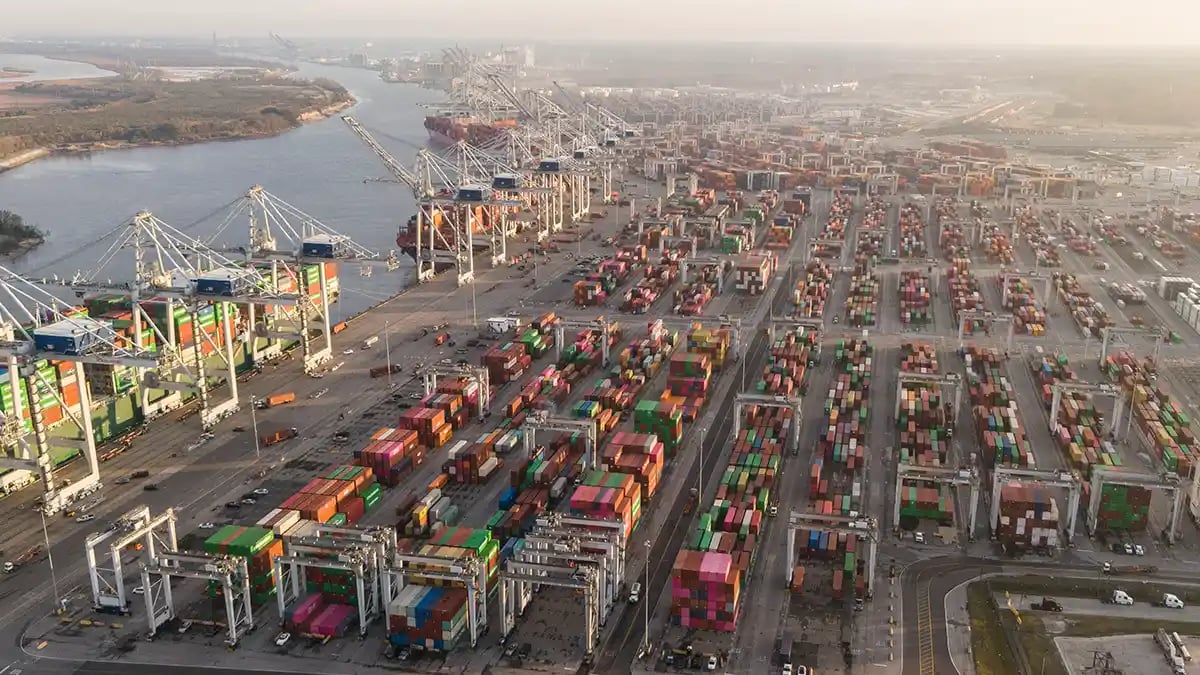
Moving into 2026, the international freight market appears to be heading toward a higher degree of normalization, though expectations remain centered on moderate—not accelerated—growth. An influx of newly delivered vessels has expanded carrier capacity, creating a more competitive environment with general downward pressure on pricing.
At the same time, carriers are expected to actively manage that capacity through blank sailings, particularly during Q1 contract negotiations, in an effort to maintain rate discipline.
Several market dynamics will influence international freight conditions early in the year:
- New vessel deliveries are increasing capacity, contributing to oversupply in certain lanes and supporting a strong, competitive spot market.
- Carriers are using blank sailings strategically to counteract downward rate pressure and protect contract pricing during Q1 negotiations.
- Expanded use of the Suez Canal—particularly for India and Subcontinent routes to the U.S. East Coast—is expected to introduce additional effective capacity into the market.
- Chinese New Year falls later than in 2025, with anticipated factory shutdowns in mid-February likely to cause a short-term tightening of capacity and modest rate increases through February and into March.
At the same time, shippers are continuing to gradually diversify sourcing away from China, increasing activity across Southeast Asia, India, and Mexico. Taken together, these trends point to a more balanced and predictable international freight environment than shippers have experienced in recent years.
While short-term fluctuations around seasonal events and contract cycles remain likely, the overall outlook for 2026 is one of increased stability—giving organizations greater confidence to plan, negotiate, and manage global supply chains with fewer abrupt disruptions.
Click Here To Learn More About Averitt's International Services
Distribution & Fulfillment Outlook: Port Flow, Inventory Timing, and Space Discipline
Ed Smith, Vice President of Distribution & Fulfillment
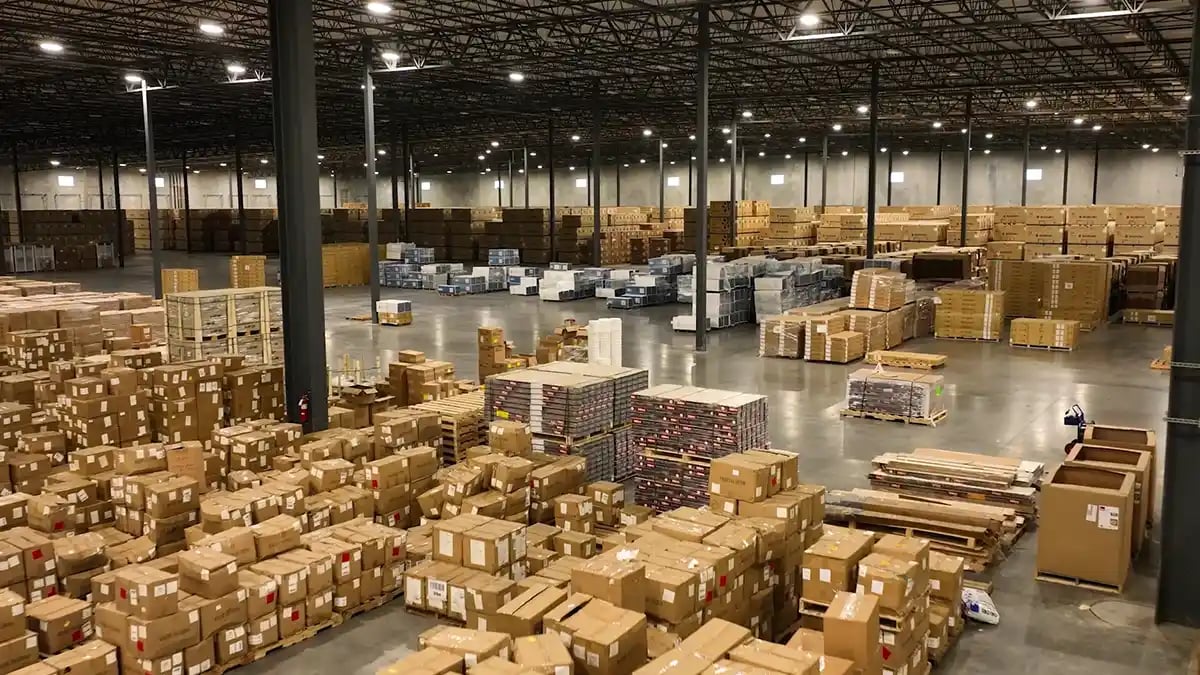
From a ports and warehousing standpoint, the story heading into early 2026 is one of reset and timing. A solid fourth quarter and holiday peak helped draw down inventories, which has opened up warehouse capacity across many markets. Imports and exports also appear to be stabilizing, creating the potential for a more “normal” first quarter—assuming tariff activity doesn’t introduce new volatility.
That available space, however, may not last long. As cargo owners begin to resume more typical purchasing patterns, inbound volumes are likely to pick back up, even with the expected dip in China-origin freight around Chinese New Year in mid-February.
For shippers, the focus isn’t just on finding space—it’s on positioning inventory closer to ports, planning for the restart of inbound flow, and making sure warehousing and fulfillment operations are aligned before volume returns. Those who plan early will be in a much better position once inventory velocity increases again.
Click Here To Learn More About Averitt Distribution & Fulfillment
Bringing It All Together
Across every part of the supply chain, the message for early 2026 is consistent: conditions may feel familiar, but the margin for error is smaller. Capacity is tighter in key areas, compliance and enforcement continue to reshape availability, and inventory and sourcing decisions are carrying more weight than they have in recent years. At the same time, stabilization in international trade, growing interest in intermodal, and a more disciplined approach to dedicated capacity are giving shippers clearer options—if they plan ahead.
Whether the focus is domestic transportation, cross-border trade, international sourcing, or port and warehouse operations, the common thread is preparation. Organizations that take time now to evaluate their networks, pressure points, and contingency plans will be better positioned to manage risk, protect service levels, and adapt as market conditions continue to evolve through 2026.
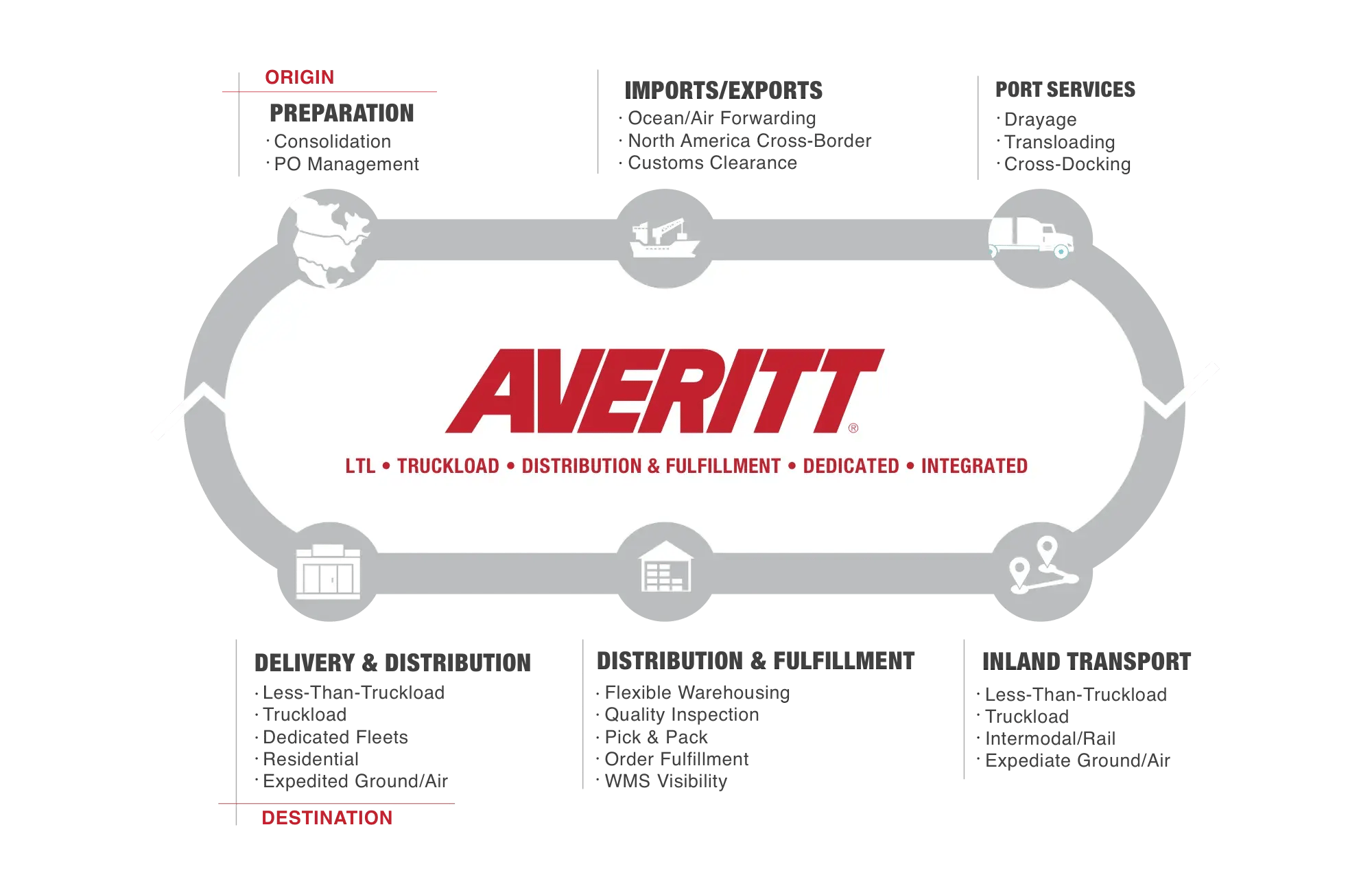
Planning for 2026?
If capacity, inventory flow, or service reliability are on your radar, a consultation can help translate market conditions into practical next steps for your supply chain.