.png?width=542&height=179&name=PNG-Averitt%2055%20Years%20RED%20ODFIP%20(1).png)


Q3 2026 marks a turning point. After one of the longest freight downturns in modern trucking history, soft capacity and shipper-favorable pricing dating back to 2022, the market is tightening across nearly every mode.
The driver behind it is largely regulatory. Federal enforcement actions, English Language Proficiency standards, non-domiciled CDL restrictions, and cabotage crackdowns, are removing drivers from the road at a pace the industry hasn't seen in years. Layered on top of that, the Supreme Court's May ruling in Montgomery v. Caribe Transport II has reshaped how brokers manage liability, pushing the market toward fewer, more disciplined carriers and adding upward pressure on rates industry-wide.
The effects are showing up everywhere:
- Truckload tender rejections and spot rates are climbing toward multi-year highs, and that pressure is now spilling into LTL after an extended period of softer conditions
- Shippers are pulling freight back from brokers and toward asset-based and dedicated capacity in numbers not seen in recent years
- Ocean capacity tightened earlier than usual heading into peak season, and tariff-driven sourcing shifts are adding another layer of planning complexity for international shippers
As in past quarters, this outlook brings together perspectives from Averitt's service leaders across our full network. Taken together, their insights point to the same conclusion: the shippers who act now, securing capacity, locking in contracts, and aligning with disciplined partners, will be in a far stronger position than those who wait for the market to force their hand.
Get the Q3 2026 Supply Chain & Logistics Outlook
Jump to a specific service-area outlook below to see how market conditions are shaping for Q3 2026.
- Less-Than-Truckload
- Truckload
- Dedicated Transportation
- Intermodal
- Warehousing & Ports
- International
- Mexico
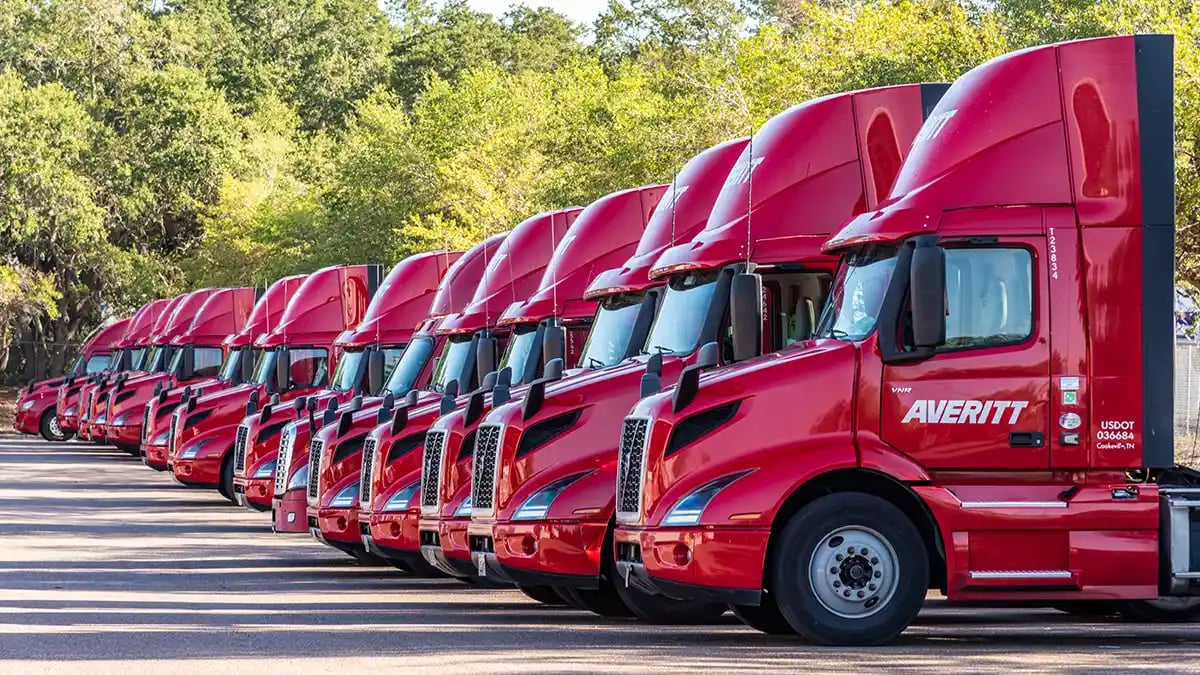
LTL Outlook: The Market Is Shifting...Now Is the Time to Plan
Larry Mason, Vice President of Operations
The LTL market is showing real signs of recovery heading into Q3, and for shippers, that's worth paying attention to. What typically begins in full truckload eventually finds its way into LTL, and that's exactly what we're seeing now. As truckload capacity has tightened and rates have adjusted upward, those same dynamics are beginning to take hold in LTL after an extended period of softer market conditions.
For shippers, the practical implication is straightforward: the carrier you're partnered with matters more in a tightening market than it does in a loose one. As demand increases industrywide, the constraint won't just be equipment, it will be qualified drivers. Carriers who have invested consistently in recruiting and retaining quality drivers, and in maintaining a well-kept fleet, will be the ones able to deliver reliable service when capacity gets competitive. That's a commitment Averitt has maintained regardless of where the market stands.
The overall tone across transportation and logistics right now is one of cautious optimism. Headwinds remain, but the direction is clearly positive, and Q3 is shaping up to be a quarter where shippers who are aligned with the right partners will have a meaningful advantage.
Click Here To Learn More About Averitt LTL
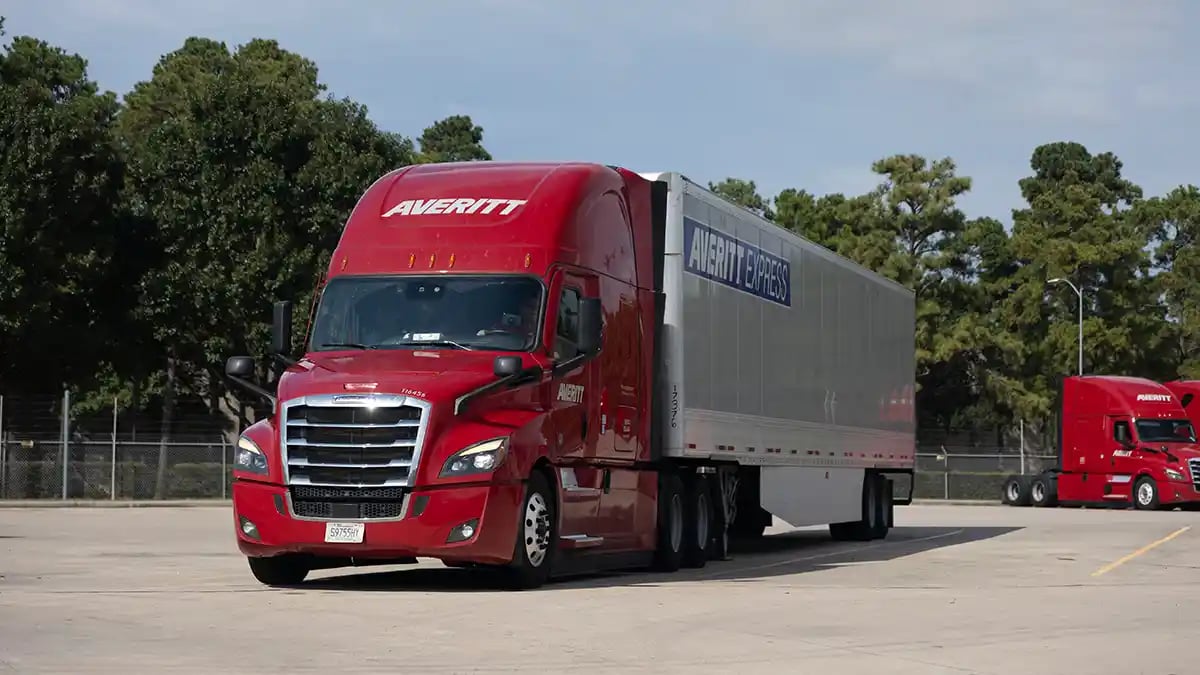
Truckload Outlook: A Capacity Crunch With No Relief in Sight
Jeff Edwards, Vice President of Truckload Sales
The truckload tightening we flagged last quarter hasn't leveled off, it's accelerating. Our own full truckload capacity is tight across nearly every lane, and the data backs up what we're feeling on the ground: national truckload tender rejections are running near 14%, levels not seen consistently since 2022, while dry van spot rates have climbed 16-20% over the past several months.
The clearest shift is in how shippers are sourcing FTL capacity. Customers who historically ran as much as 80% of their truckload freight through brokers are now pushing to get that percentage into the single digits, and we're hearing about tender rejections as high as 30% on some accounts. Many of these shippers are being forced into full TL RFP rebids or emergency mini-bids just to keep freight moving.
Truckload capacity continues to come out of the market through federal enforcement. FMCSA's English Language Proficiency crackdown has pulled thousands of drivers off the road, and the March Final Rule restricting non-domiciled CDL eligibility could ultimately affect up to 200,000 drivers nationwide as licenses expire, drivers who make up a meaningful share of the over-the-road truckload workforce. None of this is letting up, and we expect the resulting capacity crunch to extend well into 2027.
Add to that the Supreme Court's May ruling in Montgomery v. Caribe Transport II, which removed brokers' federal liability shield for negligent carrier selection in the truckload space. Brokers are tightening their FTL carrier pools to limit legal exposure, which is adding further upward pressure on truckload rates as the most vetted carriers become harder to access.
What sets Averitt apart in this environment is that we hold our brokerage carriers to the same standard we hold our own fleet. Every truckload carrier in our network is vetted, monitored, and held to documented safety requirements, the same discipline behind our company-owned equipment, which carries an average age of 2.6 years and is built around collision-avoidance systems, lane departure warning, and other driver-assist technology. In a market where capacity is tightening and liability is rising for anyone who cuts corners on carrier selection, that consistency, whether you're running on our assets or through our brokerage, is the advantage shippers can count on.
Click Here To Learn More About Averitt Truckload
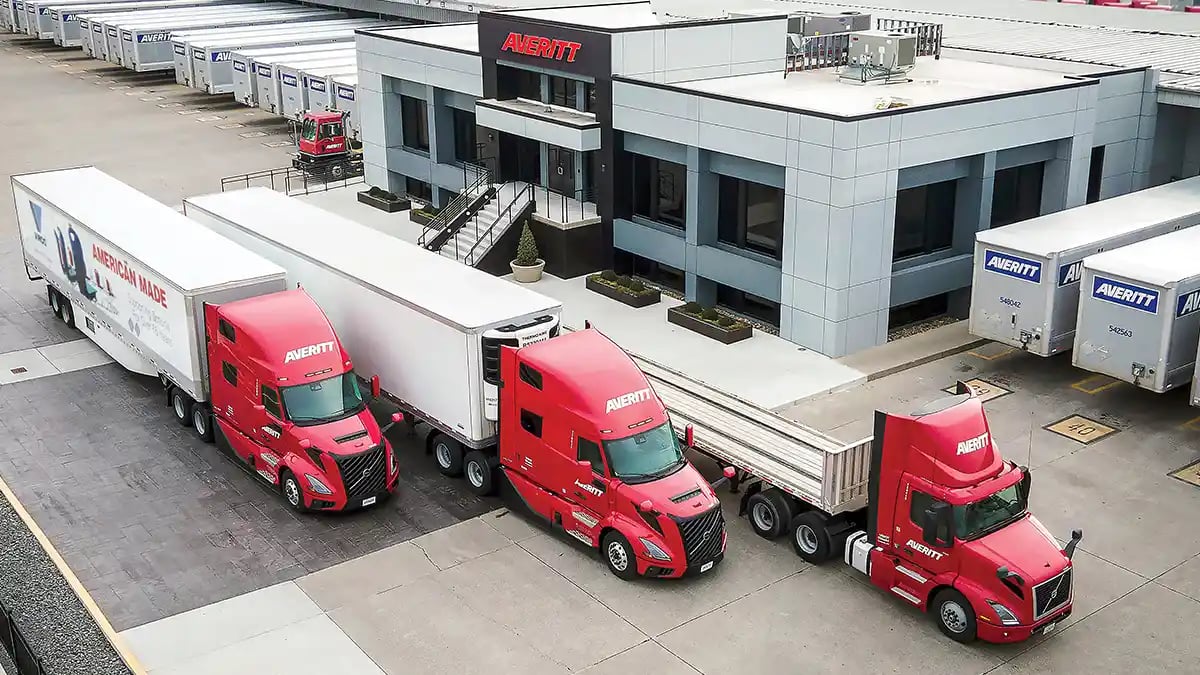
Dedicated Outlook: The Shift to Dedicated Is No Longer Just Averitt's Story
David Fussell, Vice President of Dedicated Sales
The market shift we anticipated earlier in the year is now clearly underway. A tightening regulatory environment, continued cabotage enforcement, the closure of non-compliant CDL schools, and stricter English Language Proficiency standards, is steadily reducing the available driver pool. The potential passage of Dalilah's Law would only accelerate that trend further. Layer in the Supreme Court's ruling in Montgomery v. Caribe Transport II, which now holds brokers accountable for how thoroughly they vet their carriers, and the entire industry is moving toward fewer, more disciplined capacity providers.
At the same time, freight demand is outpacing expectations as the broader freight downturn of the past two years has come to a close. The combination of shrinking capacity and strengthening demand means spot rates are approaching, and in some lanes may exceed, prior all-time highs.
What's notable for Q3 is that Averitt isn't alone in reading this shift. Across the industry, several of the largest truckload carriers have made deliberate moves this year to grow their dedicated and contract carriage business, through acquisitions, strategic pivots, and public commitments to shift away from transactional, spot-driven freight. When multiple major carriers are independently reaching the same conclusion at the same time, that's a strong signal the shift toward dedicated isn't a temporary correction. It's a structural change in how truckload capacity will be bought and sold going forward.
For Averitt, that's translating directly into demand. We're seeing increased activity across every region we serve and across every equipment type, van, flatbed, and refrigerated, with recent wins and active bids spanning all three.
Looking at the back half of 2026, expect more of the same: continued capacity tightening, continued migration toward dedicated, and rising equipment and wage costs as demand for both grows.Shippers with the volume and consistency to support a dedicated solution should be evaluating that option now. The capacity and the rates available today may not be there in 90 days.
Click Here To Learn More About Averitt Dedicated
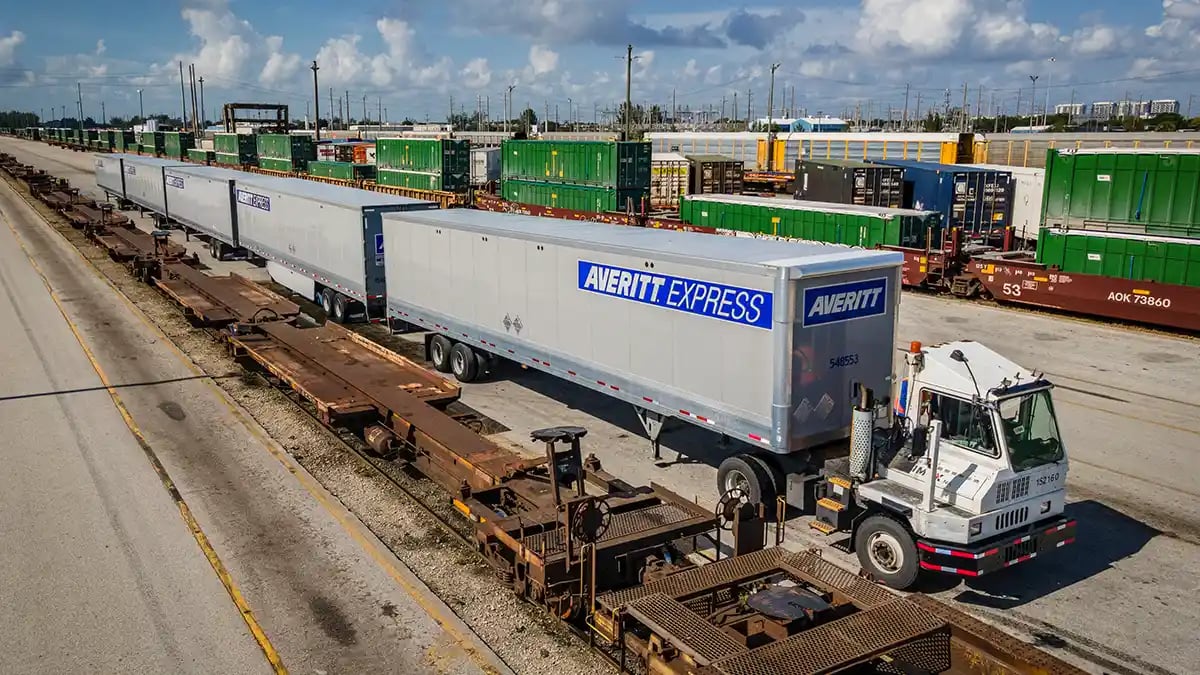
Intermodal Outlook: Lock In Pricing Before the Window Closes
Allison Phillips, Intermodal Leader
As truckload, intermodal, and drayage capacity all tighten in parallel, Q3 is a good time for shippers to take a hard look at their recurring freight lanes. Intermodal offers something the current spot market can't: the ability to secure contractual pricing for up to a year in many markets, with committed capacity attached. And the volume threshold to qualify is lower than most shippers assume. Depending on the lane, as few as one to two loads per week can be enough to lock in long-term pricing.
The one area to watch closely is drayage. As drayage capacity tightens, providers are becoming more selective about the freight they accept, which can mean reduced carrier availability, higher spot rates, and potential delays at origin and destination ramps. That selectivity makes the case for contractual coverage even stronger: a contract doesn't just stabilize your rate, it secures your capacity before that capacity becomes harder to access.
The shippers who will be best positioned heading into the back half of 2026 are the ones who move from reactive to proactive now, reviewing their lanes, identifying intermodal opportunities, and locking in both pricing and capacity before the market tightens further.
Click Here To Learn More About Averitt's Intermodal Services
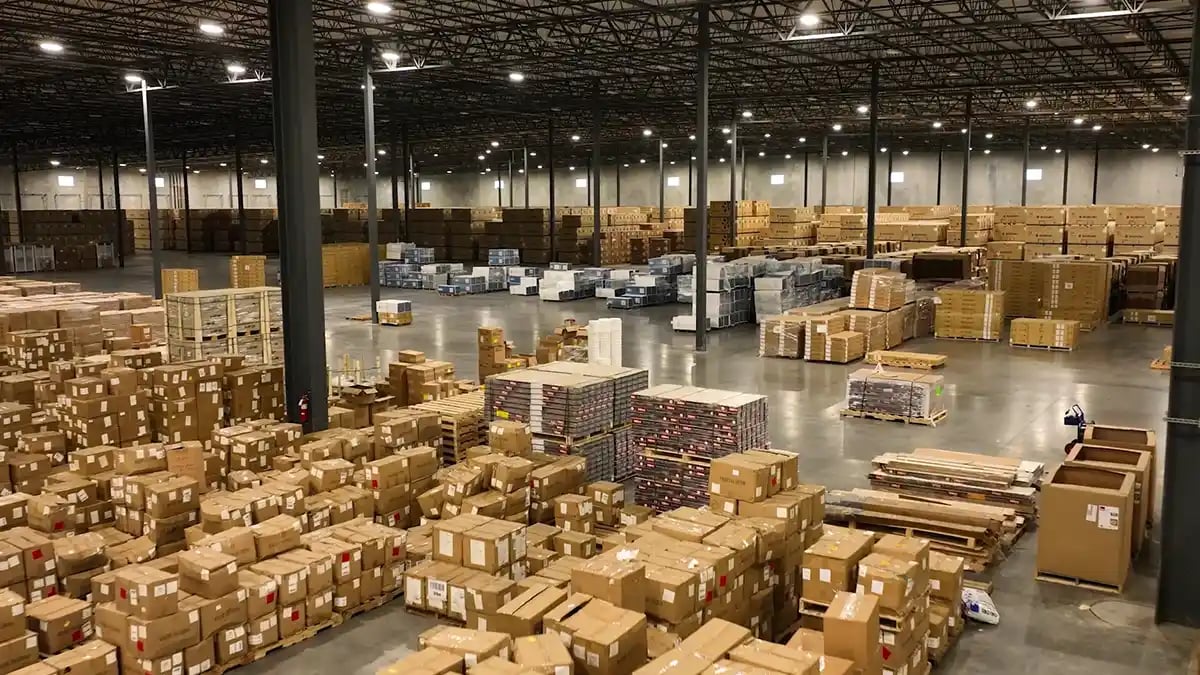
Warehousing & Ports Outlook: Bracing for a Shortened Peak and a Volatile Cycle
Ed Smith, Vice President of Distribution & Fulfillment
Heading into Q3, the story across distribution, warehousing, and ports is volatility, not in the sense of any single disruption, but in how many forces are pulling inventory volumes in different directions at once. Tariffs, geopolitical pressure, and a peak season that is shaping up shorter than usual are all converging on shippers' planning cycles simultaneously.
Freight of every kind runs in cycles, and when those cycles get disrupted, the ripple effects compound quickly, something the industry has felt repeatedly since the pandemic. This quarter, that disruption is showing up across three connected pressure points: vessel capacity at the ports, warehouse capacity inland, and driver capacity to move freight between the two. A shortened peak season doesn't just compress the timeline, it compresses all three of those constraints into a smaller window, leaving less margin for error.
For shippers, that means the partner question matters more than usual. An asset-based provider with drayage, transload, and warehousing under one network, rather than coordinating across multiple vendors, is positioned to absorb that volatility instead of passing it downstream. Withport-to-door drayage capacity and direct connections into Distribution & Fulfillment Centers, freight can move from vessel to warehouse to final delivery without the handoffs that create delay when conditions get unpredictable.
The bottom line for Q3: this isn't a market that rewards a wait-and-see approach. Shippers need a partner nimble enough to deliver creative solutions when conditions shift and disciplined enough to keep service consistent for their end customers regardless of what the cycle throws at them.
Click Here To Learn More About Averitt Distribution & Fulfillment
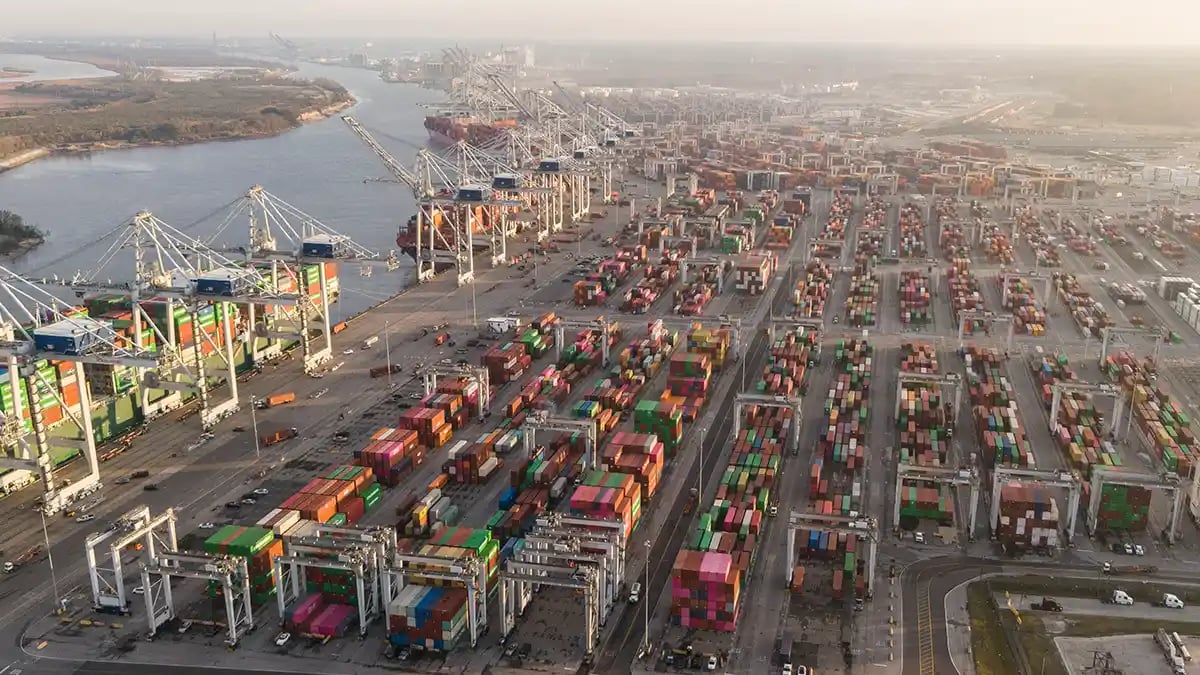
International Outlook: Book Early, Stay Flexible as Ocean Capacity Tightens
Rich Egan, Vice President of International Solutions
My previous outlook on June 4, 2026 identified market conditions rapidly shifting, and Transpacific Eastbound (TPEB) ocean capacity already heavily booked, with many carriers full through mid-to-late June. This is having a significant impact on spot market pricing and applicable surcharges. We anticipated these conditions would persist through peak season, with rates likely continuing to rise during this period.
Our recommendation advised customers to place bookings as far in advance as possible. Planning should be treated as a priority to secure the best options available for upcoming ocean freight shipments. This action remains for Q3 and we expect it to continue throughout much of August.
As we head into Q3, the international shipping landscape remains dynamic. Ongoing geopolitical pressures, shifting trade patterns, and evolving customer expectations are driving the need for more proactive, informed supply chain strategies.
Here are the key trends International shippers should be prepared for:
We already identified an earlier-than-normal volume surge in late May, with momentum expected to continue through August. Planning ahead and securing space early will be critical to avoid delays.
Short-term capacity constraints are likely to persist across key trade lanes. Shippers should look to diversify routing options and build flexibility into their transportation plans.
Freight rates continue to be influenced by capacity pressure and seasonal surcharges. While crude oil prices have softened, fuel-related savings will take time to materialize. Expect near-term cost pressure to remain.
Ongoing tariff concerns are prompting many shippers to adjust sourcing strategies and front-load inventory. Strong forecasting and scenario planning are becoming essential to manage risk.
Supply chain visibility now goes beyond track-and-trace. Shippers are focusing on end-to-end insights—from supplier performance to regulatory impacts—to support faster, more informed decisions.
AI and advanced supply chain tools are no longer optional. They are playing a key role in improving forecasting accuracy, optimizing operations, and enabling real-time decision-making.
Bottom Line
Q3 will favor shippers who plan ahead, stay flexible, and leverage better visibility and technology. Those who take a proactive approach will be best positioned to manage disruption and keep supply chains moving efficiently.
At Averitt, we’re focused on helping customers navigate these challenges with scalable solutions and actionable insights across the global supply chain.
Click Here To Learn More About Averitt's International Services

Mexico & Cross-Border Outlook: Capacity Is the Story, Relationships Are the Answer
Ed Habe, Vice President of Mexico Sales
Cross-border freight between the U.S. and Mexico is experiencing something of a reset heading into Q3, and for shippers with operations on both sides of the border, it's worth understanding what's driving it.
Capacity is tightening on both the domestic and cross-border sides simultaneously. The enforcement crackdowns reshaping the U.S. truckload market, visa revocations for drivers found to have committed cabotage violations, stricter CDL standards, and English Language Proficiency enforcement, are having a direct effect on cross-border capacity as well. B1 visa holders who have operated legally are increasingly reluctant to enter the U.S. at all for fear of losing their visa status, which means the supply of cross-border drivers is contracting faster than the headline numbers alone suggest. The result is that shippers who have relied on a broad pool of cross-border capacity are finding their options narrowing quickly.
At the same time, the regulatory environment between the two countries is adding complexity in both directions. Historically, Mexico has layered in customs and compliance requirements that slowed the import process. More recently, the U.S. has implemented similar measures, requiring stricter importer of record declarations for freight entering from Mexico. The practical effect for shippers is a more complicated customs picture on both ends of the move, making the quality of your customs and transportation partner more consequential than it's been in recent years.
For shippers who already work with Averitt domestically, the logical extension is cross-border. We're hearing that directly from customers, companies that have established contracts and history with Averitt in the U.S. are now engaging our Mexico team because the relationship and compliance infrastructure is already there. Expanding that to cross-border is a natural step rather than starting from scratch with an unfamiliar provider.
The carrier relationship piece matters more than ever. Averitt's policy has long been to work only with cross-border carriers that have CDL driver capability, not exclusively B1 operators. And we invest in those carrier partnerships directly, including dedicated events to strengthen those relationships, verify carrier quality firsthand, and build the kind of network that can actually deliver for customers when capacity gets tight. In an environment where the Supreme Court has made clear that everyone in the supply chain is accountable for who moves their freight, that level of vetting isn't optional, it's the standard.
Click Here To Learn More About Averitt's Mexico Services
Bringing It All Together
Across every service area, the Q3 2026 outlook comes back to one central force: capacity is leaving the market faster than it's being replaced, and the cause is structural rather than seasonal.
- Federal enforcement, English Language Proficiency standards, non-domiciled CDL restrictions, and cabotage crackdowns, has removed a meaningful share of the driver pool, and the pressure shows no signs of letting up
- The Supreme Court's ruling on broker liability is pushing the entire industry toward more disciplined, more thoroughly vetted carrier networks, and that discipline comes with a cost that's showing up in rates
- What started in truckload has already spread to LTL, dedicated, and intermodal, and on the international side, an earlier-than-usual peak season surge is compounding the pressure
The common thread is that the cost of waiting is rising. Consider what's already in motion:
- Truckload and LTL rates are both trending upward after one of the longest stretches of shipper-favorable pricing in modern trucking history
- Dedicated capacity requests are climbing as shippers look to lock in coverage before equipment and wage costs climb further
- Ocean capacity windows that are available today may not be available at the same terms by late summer
Shippers who take time now to evaluate their networks, diversify across modes, and lock in contractual capacity will be in a fundamentally stronger position heading into 2027. The market has shifted faster than many shippers expected, and the organizations that plan with intention in Q3 will have options. Those that wait may find themselves negotiating from a much weaker position than they would have just a quarter ago.
Watch the short video below to learn more about how Averitt can help you at every turn in your supply chain. One Partner. Endless Possibilities. That's the Power of One.
Planning ahead?
If capacity, inventory flow, or service reliability are on your radar, a consultation can help translate market conditions into practical next steps for your supply chain.