.png?width=542&height=179&name=PNG-Averitt%2055%20Years%20RED%20ODFIP%20(1).png)


On May 14, 2026, the U.S. Supreme Court handed down a unanimous decision in Montgomery v. Caribe Transport II, LLC that immediately changed the freight brokerage industry. For brokers who have been cutting corners on carrier vetting, the ruling is a wake-up call. For Averitt, it is confirmation of what we have been doing all along.
Here is what the ruling means, and why it does not change a thing about how we operate.
What the Ruling Actually Says
For years, freight brokers operated with the understanding that the Federal Aviation Administration Authorization Act (FAAAA) shielded them from state-level lawsuits related to how they selected carriers. That shield is now gone.
The Supreme Court ruled 9-0 that state negligent-hiring claims against freight brokers are not preempted by federal law. In plain terms: if a broker selects a carrier with a known safety problem and that carrier is involved in an accident, the broker now has some exposure to potential lawsuits for their role in carrier selection.
The case centered on a truck accident in Illinois involving a carrier with a conditional safety rating, a warning status issued by the FMCSA indicating that deficiencies have been identified in the carrier's safety management. The broker in the case had dispatched that carrier anyway. The Court found that the broker's carrier selection process is a matter of safety, subject to state law and the scrutiny of a jury.
The standard the Court established is ordinary care. Did the broker check the carrier's safety record? Was the data available? Did the broker have a documented, repeatable process for evaluating carrier safety, or did they book the cheapest option and move on?
Why This Does Not Change How Averitt Operates
According to Steve McDonald, VP of Integrated Services, the ruling reinforces values Averitt has long held about what a responsible brokerage looks like.
“This ruling reflects something we have always believed: that safety in freight transportation is a shared responsibility,” McDonald said. “It reinforces the importance of doing things right. We have built our carrier network around documented processes, third-party monitoring, and standards we do not compromise on. When you are operating that way, a ruling like this is not a disruption. It is a validation.”
To onboard as a partner carrier, a company must meet and maintain all requirements outlined by Averitt.
Once a carrier meets those requirements, Averitt executes a Broker Carrier Agreement and places them in a continuously monitored network. Any lapse in insurance coverage or drop in safety rating triggers an immediate notification, and that carrier is locked out of our Transportation Management System. There is no manual workaround. Our team cannot tender a load to a carrier that does not have an approved safety rating thanks to the workflows developed within the TMS.
Documented Due Diligence: The Phrase That Matters Most
The Court’s decision now means that a documented carrier vetting process is of upmost significance.
Averitt has a documentation vetting process. Our vetting process is outlined in a multi-page internal manual that is managed by a team of Compliance Specialists. Our processes are reviewed, and we monitor developments so that we stay current within the brokerage industry. Every step in our carrier qualification and monitoring workflow is documented and traceable.
“We have always prided ourselves on being more than just a broker,” McDonald said. “This ruling allows the continued efforts of our team to be recognized.”
What This Means for the Market
The ruling is already reshaping the competitive landscape in ways that will favor carriers and brokers who have operated with integrity.
Insurance costs will rise, and smaller brokers will feel it most. Brokers will now be scrambling to secure liability insurance they previously did not need. Premiums will likely push smaller, less-established operations out of the market entirely.
Shippers are paying attention. Shippers who have historically chased the lowest rate are reconsidering the tradeoffs. Choosing an undisciplined broker to save a few dollars now carries real reputational and legal risk. The question is not just “who’s cheapest?” It is “who can I trust, and how can they prove it?”
Averitt is well-positioned. As an asset-based company with a brokerage operation built on the same standards we hold our own fleet to, Averitt offers something most pure brokers cannot: the confidence that comes from 55+ years of operational discipline. Customers booking freight through Averitt know their shipment is being handled and protected with the same care they would expect from a direct carrier relationship.
The Bottom Line for Shippers
If you are evaluating your freight brokerage relationships, this is the moment to ask hard questions. Find out how your broker vets the carriers they dispatch. Ask whether that process is documented. Ask whether they receive immediate alerts when a carrier’s insurance lapses or their safety score drops. Ask whether they have controls that prevent a conditionally rated carrier from ever being assigned to your freight.
At Averitt, the answer to all of those questions is yes, and has been for years.
The ruling did not create a new standard for us. It validated the one we already follow.
Averitt-Owned Equipment and Drivers
For shippers who prefer a more direct approach, working with a quality asset-based carrier is worth considering. When Averitt moves your freight with our own equipment and drivers, you already know who is behind the wheel.
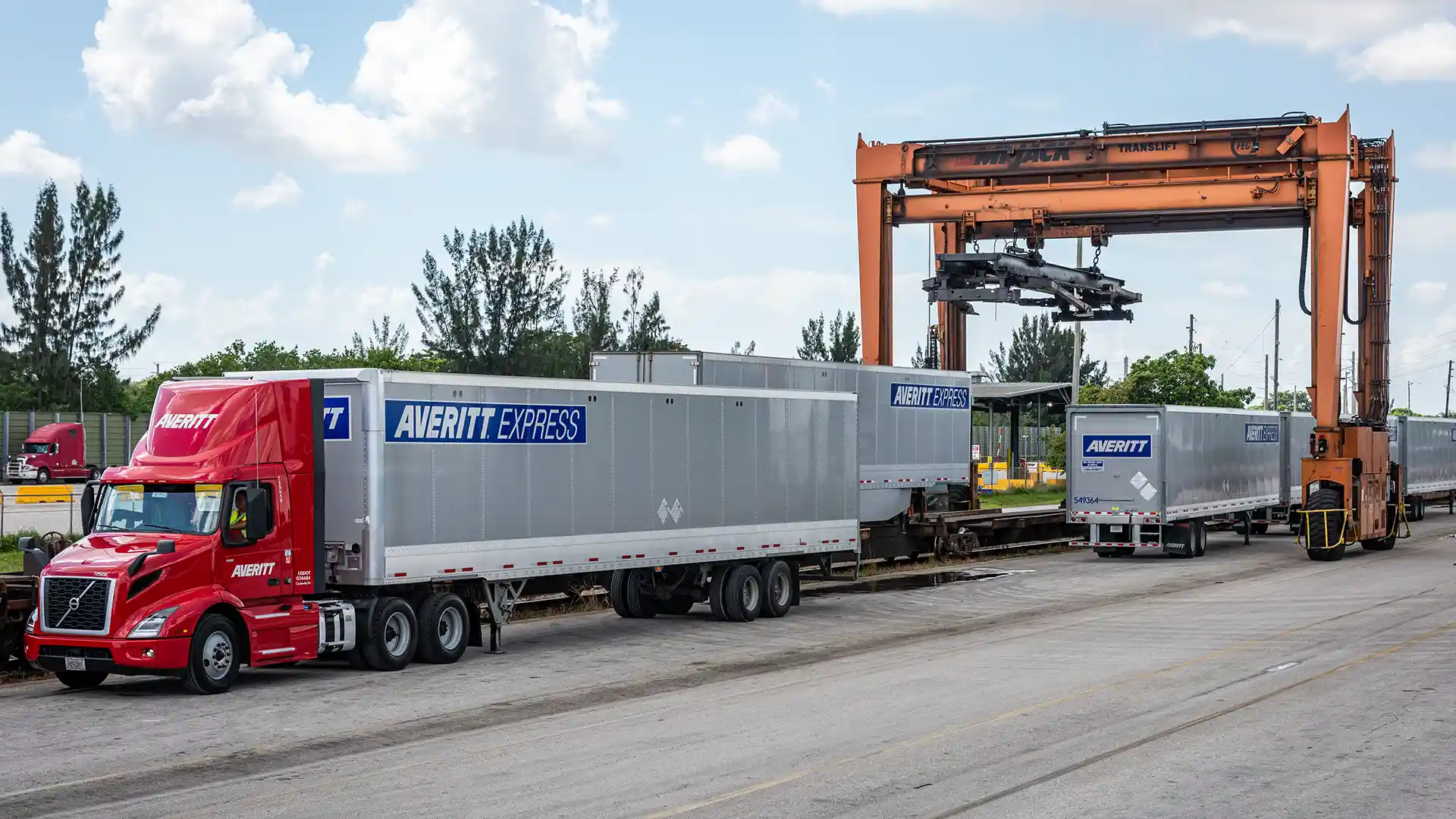
Our drivers are screened, trained, and continuously supported through a comprehensive safety program. Averitt maintains a fleet of thousands of tractors with an average age of 2.6 years, ensuring our drivers always have access to the latest safety technology available. That technology includes collision-avoidance systems, anti-jackknife systems, forward-facing event recorders, rollover stability systems, and lane departure warning. Every tractor receives regular preventative maintenance inspections, and our policies meet or exceed DOT regulations.
Our fleet has received multiple Tennessee Trucking Association awards for fleet safety and is regarded as one of the safest in the country.