.png?width=542&height=179&name=PNG-Averitt%2055%20Years%20RED%20ODFIP%20(1).png)


The fourth quarter begins with a mix of encouraging economic signals and continued uncertainty. Demand is strengthening in several areas, but rising fuel costs, tighter capacity, regulatory changes and global transportation disruptions are creating new challenges for shippers.
The effects will vary by mode and market. LTL and truckload capacity could tighten as the holidays approach, while international shippers face elevated rates and continued schedule variability. At the same time, dedicated, intermodal, warehousing and cross-border solutions may provide opportunities to build greater predictability and flexibility into supply chains.
To help shippers prepare, Averitt leaders share what they are seeing across the transportation and logistics market and the trends they believe will have the greatest impact during the remainder of 2026.
Jump to a specific service-area outlook below to see how market conditions are shaping for Q3 2026.
- Less-Than-Truckload
- Truckload
- Dedicated Transportation
- Intermodal
- Warehousing & Ports
- International
- Mexico
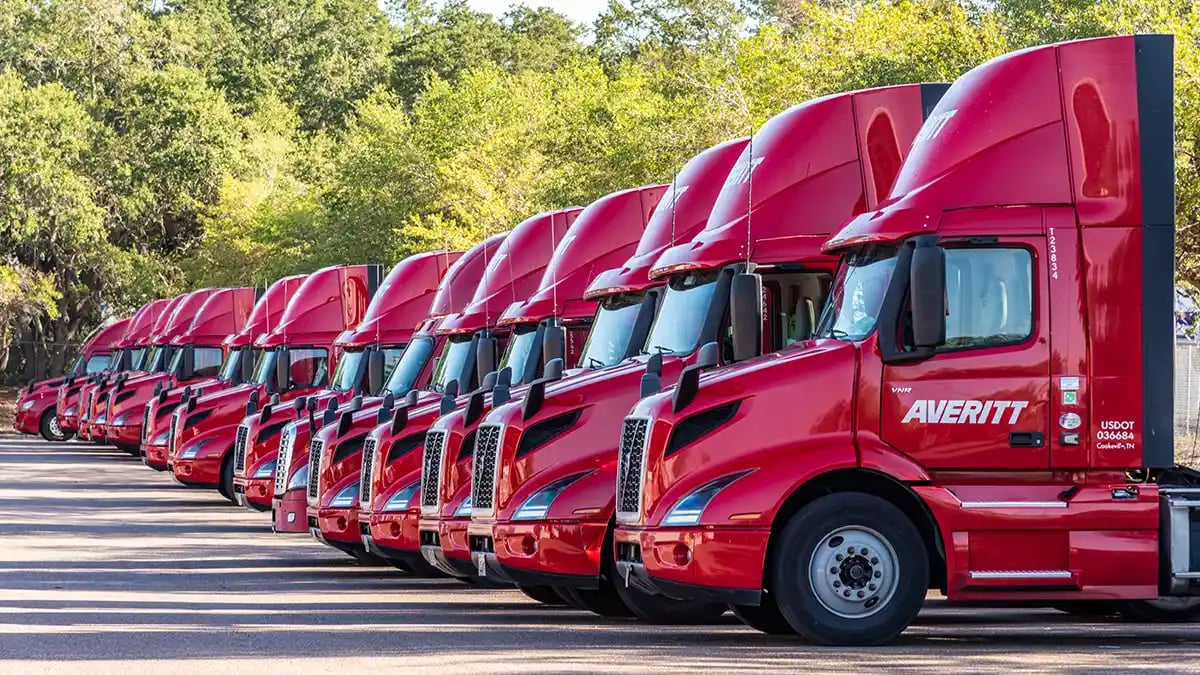
LTL Growth Continues as Holiday Capacity Tightens
Larry Mason, Vice President of Operations
The outlook for the fourth quarter remains somewhat hazy due to geopolitical uncertainty, the midterm elections and broader uneasiness in the market. Even so, we continue to see encouraging signs across much of the economy. Recent improvements in manufacturing activity, retail sales and employment provide reasons for optimism, although elevated diesel prices remain a concern. Fuel is a significant cost factor in commercial transportation, and sustained increases can create ripple effects throughout the supply chain.
Overall, we remain optimistic about the remainder of 2026. We have already seen substantial growth in the truckload market, along with significant LTL growth in the Southwest and more modest gains across the rest of the South. We expect LTL capacity to tighten as the holidays approach, followed by another increase in activity after the first of the year.
Click Here To Learn More About Averitt LTL
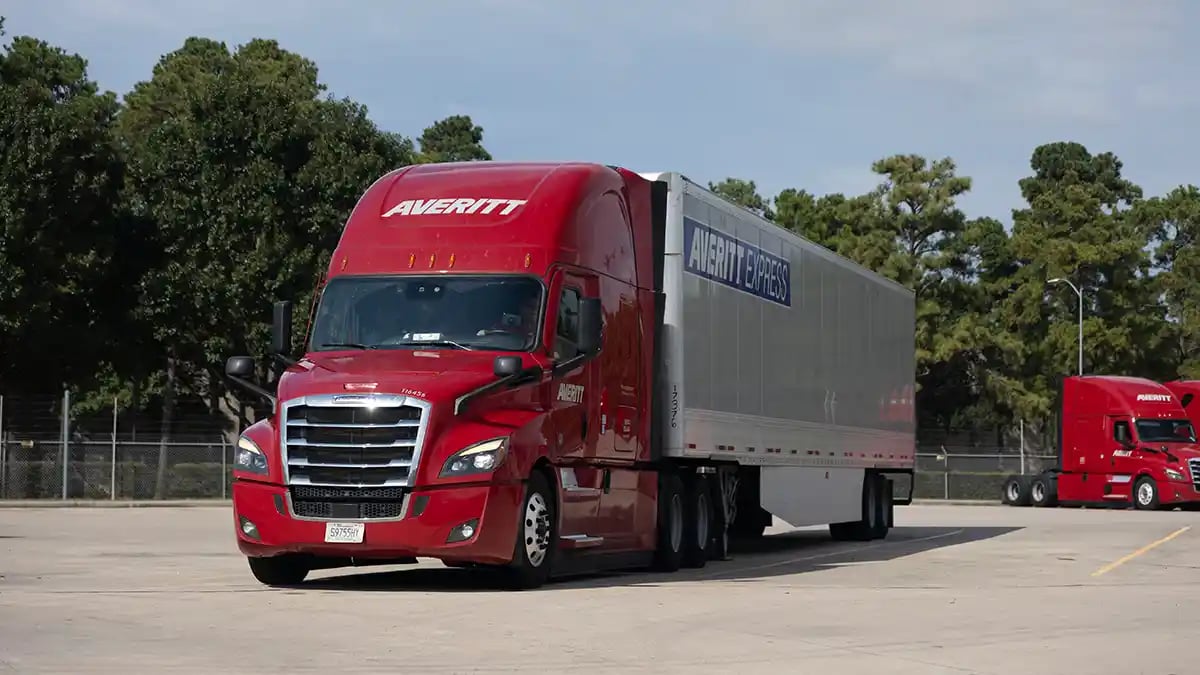
Truckload Capacity Expected to Remain Tight Through Year End
Jeff Edwards, Vice President of Truckload Sales
As we look toward the fourth quarter, I expect truckload capacity to remain tight. That’s been the story throughout much of 2026, and I don’t see anything right now that points to a significant softening before the end of the year. Based on the trends we’re seeing across the industry, that tighter capacity environment could continue well into 2027.
At Averitt, we’re continuing to actively hire professional drivers, and we’ve been successful in doing that. We also have some flexibility that comes from the different areas of our business. As portions of the touring season wind down, for example, some drivers supporting our On Tour Logistics operation are able to transition back into Truckload. That gives us another way to strengthen our available capacity as we head into Q4.
There are broader industry developments that could keep pressure on capacity as well. Recent federal enforcement actions have removed a number of commercial driver training schools from the federal registry, which could further constrain the pipeline of new drivers entering the industry. At the same time, the Supreme Court decision involving broker liability in May continues to mount even greater attention on carrier selection and safety. I think that will lead to more scrutiny around working with qualified, dependable carriers and could further narrow the pool of capacity available in the marketplace.
Even with those challenges, I feel good about where we’re positioned heading into the fourth quarter. Averitt’s focus is on continuing to add capacity where we can and using the flexibility of our network to help customers keep their freight moving reliably through what remains a tight truckload market.
Click Here To Learn More About Averitt Truckload
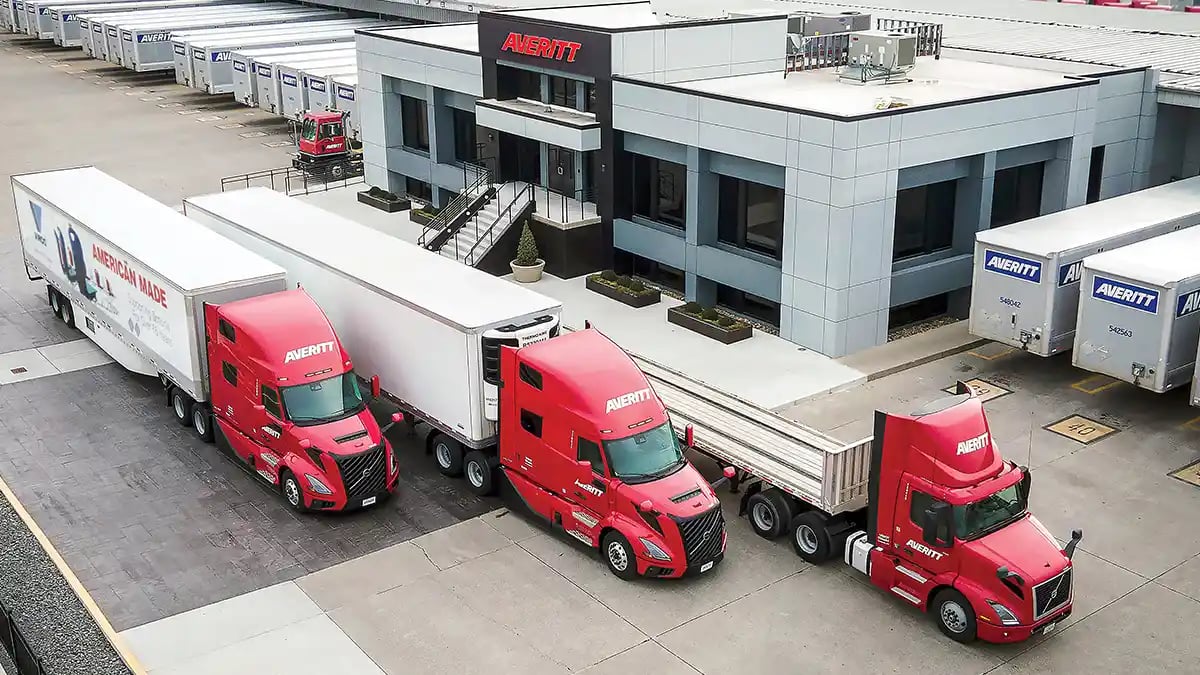
Shippers Turn to Dedicated Capacity as Market Pressure Builds
David Fussell, Vice President of Dedicated Sales
We are seeing a continued focus by the USDOT and FMCSA on regulatory enforcement, including a crackdown on CDL training providers that fail to meet federal requirements and changes affecting non-domiciled commercial driver’s licenses. FMCSA has estimated that the latter could affect approximately 194,000 CDL holders over time.
This reduction in drivers, along with strengthening demand, is continuing to restrict capacity. Within Averitt Dedicated, we saw growth through new contracted business in Q3 alone that will expand our fleet size by close to 10% once fully implemented.
In addition to new business, we are seeing requests from existing accounts to add drivers to dedicated lanes, replacing capacity that had recently been serviced through the spot quote market. This is a direct result of increasing spot market rates.
Averitt Dedicated continues to be a strong option for shippers looking to bolster capacity and improve on-time service.
Click Here To Learn More About Averitt Dedicated
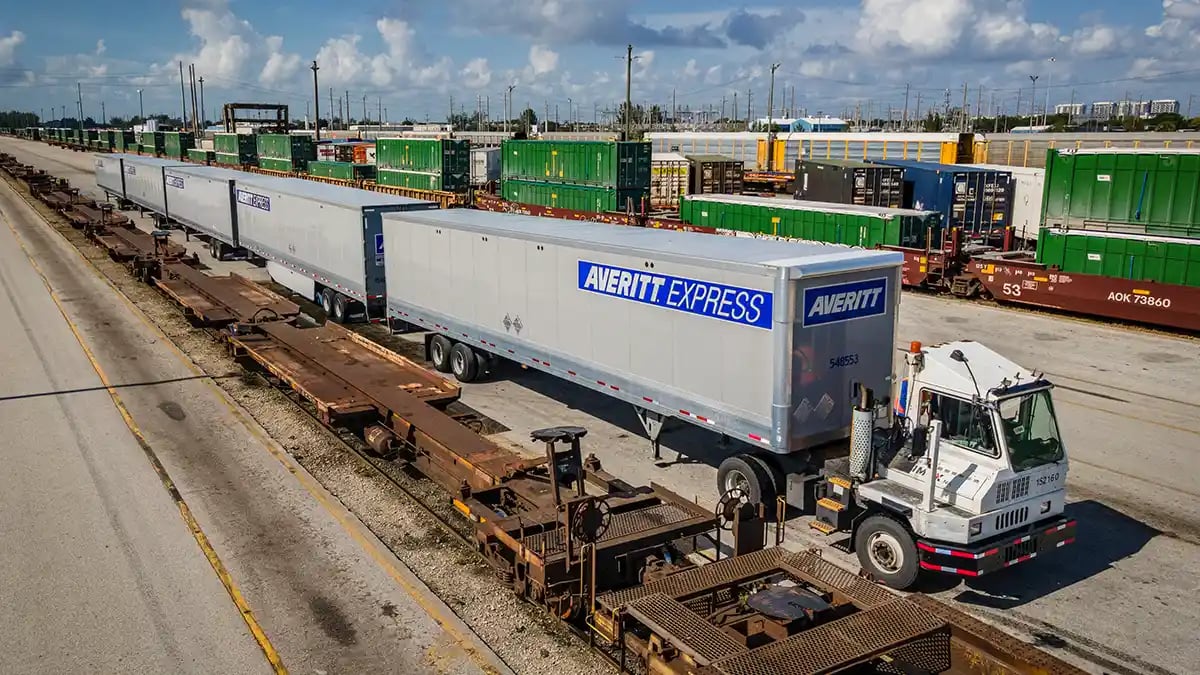
Rising Truckload Costs Strengthen the Case for Intermodal
Allison Phillips, Intermodal Leader
Truckload cost is one of the biggest factors impacting shippers in Q4. With tight capacity and rising fuel costs shippers will continue to feel the volatility in their full-load transportation costs.
This will make shifting truckload to intermodal an attractive option on longer, consistent lanes. As OTR costs increase, rail's fuel efficiency becomes a bigger advantage. Our Class I rail partners have reported a consistent increase in freight shifts from truck to rail as shippers look for ways to manage rising transportation expenses.
For shippers with steady volume, now is also a good time to consider contractual intermodal pricing. Locking in rates and capacity for up to a year can help reduce exposure to market volatility and provide greater cost predictability.
Click Here To Learn More About Averitt's Intermodal Services
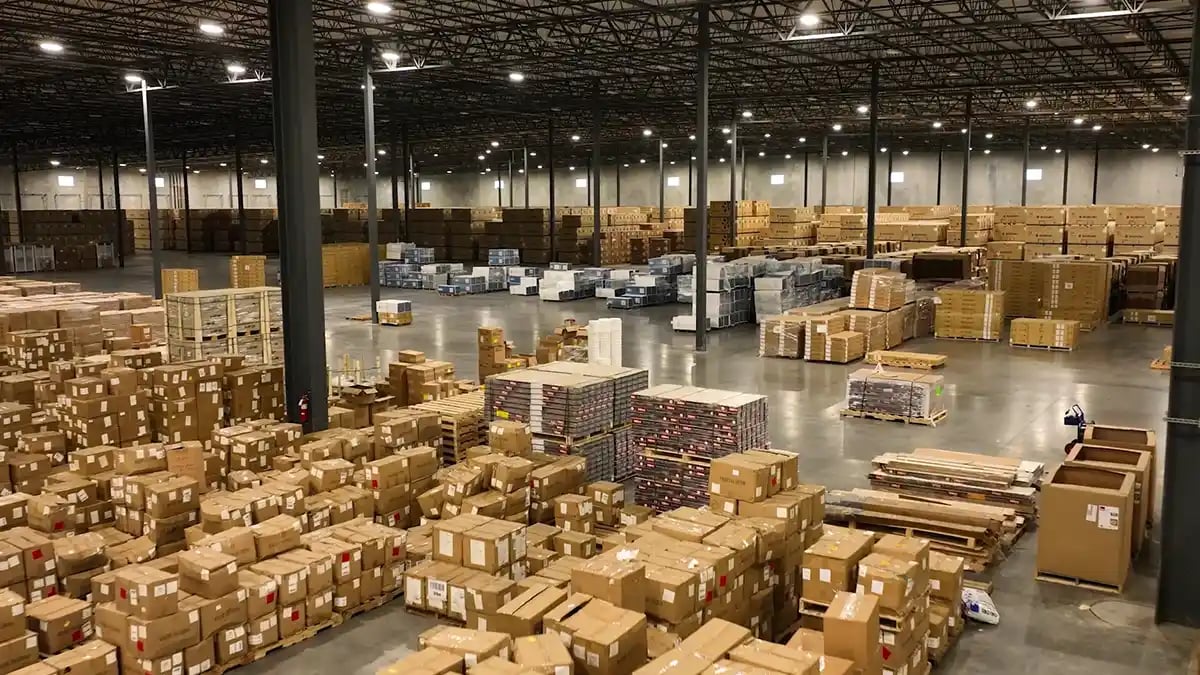
Peak Season Performance Takes Priority in Distribution and Fulfillment
Ed Smith, Vice President of Distribution & Fulfillment
Near the end of the third quarter and into the beginning of the fourth, much of our industry begins drawing down inventory as products move into the market for peak season. At the same time, customers are forecasting next year’s inventory needs and evaluating how tariffs may affect their plans.
Analyzing economic conditions and determining whether current inventory levels are sufficient to capture peak-season demand can make the difference between a successful year and a missed opportunity.
Planning warehouse space with a 3PL partner is always crucial. During peak season, however, that partner’s ability to manage inventory accurately and execute reliably becomes paramount to maximizing revenue.
As always, our customers depend on Averitt’s reliability, flexibility and accuracy to help them succeed in the fourth quarter.
Click Here To Learn More About Averitt Distribution & Fulfillment
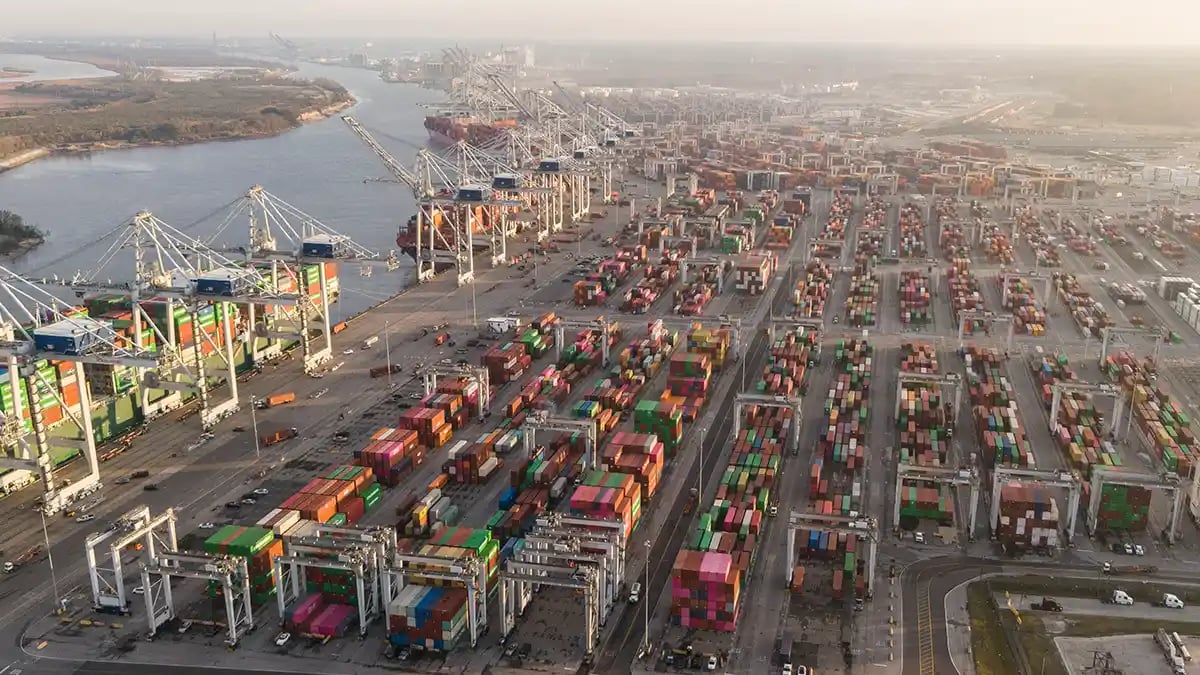
Global Disruptions Keep International Capacity and Rates Under Pressure
Rich Egan, Vice President of International Solutions
Global logistics markets remain volatile due to geopolitical tensions, elevated energy costs and ongoing transportation disruptions. The transpacific market continues to be supported by seasonal demand, congestion at major Asian ports and carrier capacity management.
Ocean Freight
Ocean freight rates remain elevated despite expectations that additional vessel capacity would ease pricing. Continued disruptions in the Middle East, port congestion, vessel rerouting and carrier schedule changes are contributing to market volatility.
Some carriers have begun cautiously resuming services through the Red Sea and Suez Canal, although security concerns and the potential for renewed disruption remain.
Transpacific Market
Recent market reports have placed transpacific spot rates at approximately:
- $8,000 per forty-foot equivalent unit to the U.S. West Coast
- $9,500 to $12,000 per forty-foot equivalent unit to the U.S. East Coast
These rates vary by carrier, index and routing, but remain near recent peak-season highs. Freightos reports that persistent demand, port congestion and Golden Week blank sailings are helping keep rates elevated.
Demand is expected to remain strong around China’s Golden Week holiday as shippers move cargo ahead of factory closures and carriers adjust sailing schedules. Maersk has also announced that its seasonal TPX service from Asia to the U.S. West Coast will be suspended for the remainder of the fourth quarter following its final sailing in late September. That reduction, combined with blank sailings across the transpacific, could further tighten available capacity.
Capacity and Transit Times
Blank sailings are becoming more common around the Golden Week period, reducing available capacity on certain trade lanes. Customers should anticipate schedule variability, congestion, vessel bunching, equipment shortages and longer transit times where disruptions occur.
Fuel and Operating Costs
Middle East tensions have recently pushed Brent crude oil above $100 per barrel, increasing pressure on marine fuel, trucking and other transportation costs throughout global supply chains. Although prices remain volatile, continued uncertainty surrounding Middle Eastern energy supplies could keep transportation costs elevated during the fourth quarter.
Air Freight
Airfreight capacity remains tight on certain Asian trade lanes, particularly those supporting semiconductor, artificial intelligence and other technology shipments. Dimerco’s September Asia-Pacific freight report indicates that technology demand is placing particular pressure on capacity from Taiwan and South Korea.
Higher fuel costs, airport congestion and routing changes may continue to place upward pressure on airfreight rates in affected markets.
U.S. Tariffs
Most imports face additional country-based tariffs ranging from 10% to 12.5%. U.S. Customs and Border Protection has published implementation guidance covering the additional duties, applicable countries and product exemptions.
Canadian imports continue under a separate tariff structure depending on qualification and product category.
Panama Canal
Additional Panama Canal traffic restrictions are expected beginning in October due to drought conditions associated with El Niño. Under the reported traffic-reduction plan, average daily vessel transits would decline from 32 in September to approximately 29.5 in October. This could contribute to longer waits, tighter capacity and additional scheduling challenges.
International Shipper Recommendations
Customers should:
- Book shipments as early as possible.
- Maintain flexibility with routing and sailing schedules.
- Allow additional transit time for freight moving through disrupted corridors.
- Monitor market developments closely, as rates, capacity and transit times may change rapidly.
Bottom Line
The transpacific freight market remains strong due to seasonal demand, carrier capacity management and ongoing global supply chain disruptions. Elevated rates, tighter capacity and longer transit times are expected to persist into October, making early planning and routing flexibility especially important.
Click Here To Learn More About Averitt's International Services

Border Infrastructure Becomes More Critical as Capacity Tightens
Ed Habe, Vice President of Mexico Sales
Despite continued economic and regulatory headwinds, cross-border trade between Mexico and the United States remains strong. July’s trade activity underscored the continued importance of Mexico as a manufacturing and sourcing partner for the United States.
At the same time, transportation capacity is tightening as some providers exit the market amid stricter English-language proficiency enforcement, higher insurance costs, enhanced safety requirements and rising fuel expenses. These pressures make it increasingly important for shippers to evaluate new ways of moving freight from manufacturing plants in Mexico to destinations throughout the United States and Canada.
Providers with infrastructure at the border and along key corridors such as I-35 are becoming increasingly valuable, particularly for manufacturers with limited space at their facilities. Cross-docking and deconsolidation at the border can help keep freight moving while reducing the need to hold additional inventory or dedicate valuable manufacturing space to staging shipments.
Bonded transportation capabilities are also important for freight moving between Mexico and Canada. Using a bonded carrier allows qualifying freight to move through the United States without formally entering U.S. commerce, helping shippers navigate customs requirements and avoid unnecessary delays or duties in the transit country. It does not eliminate tariffs owed at the shipment’s final destination.
Mexico has also indicated that it intends to increase purchases of U.S. products as part of the USMCA review. That could create additional southbound opportunities for American manufacturers and suppliers. Companies moving smaller shipments into Mexico should consider consolidating freight farther north before transporting full truckloads to Laredo and destinations beyond.
Ultimately, shippers should evaluate how their transportation providers’ infrastructure can complement and strengthen their own manufacturing and distribution networks. Averitt offers border-crossing, consolidation, cross-docking and transportation capabilities across the Texas-Mexico border, throughout the Southeast and at key Gulf ports, providing customers with flexible options for both immediate and long-term supply chain needs.
Click Here To Learn More About Averitt's Mexico Services
Bringing It All Together
While conditions differ across services and markets, one message remains consistent: preparation and flexibility will be essential throughout the fourth quarter. Shippers should evaluate expected volumes, secure capacity early where possible, allow additional time for disrupted trade lanes and consider how different transportation and distribution options can work together.
Averitt will continue monitoring market conditions and helping customers adjust as their needs change. With capabilities spanning LTL, truckload, dedicated, intermodal, distribution and fulfillment, cross-border and international logistics, our team can help shippers identify practical ways to strengthen their supply chains through the end of 2026 and into the new year.
To discuss your upcoming transportation or logistics needs, contact the Averitt team.
Watch the short video below to learn more about how Averitt can help you at every turn in your supply chain. One Partner. Endless Possibilities. That's the Power of One.
Planning ahead?
If capacity, inventory flow, or service reliability are on your radar, a consultation can help translate market conditions into practical next steps for your supply chain.