
.png?width=542&height=179&name=PNG-Averitt%2055%20Years%20RED%20ODFIP%20(1).png)


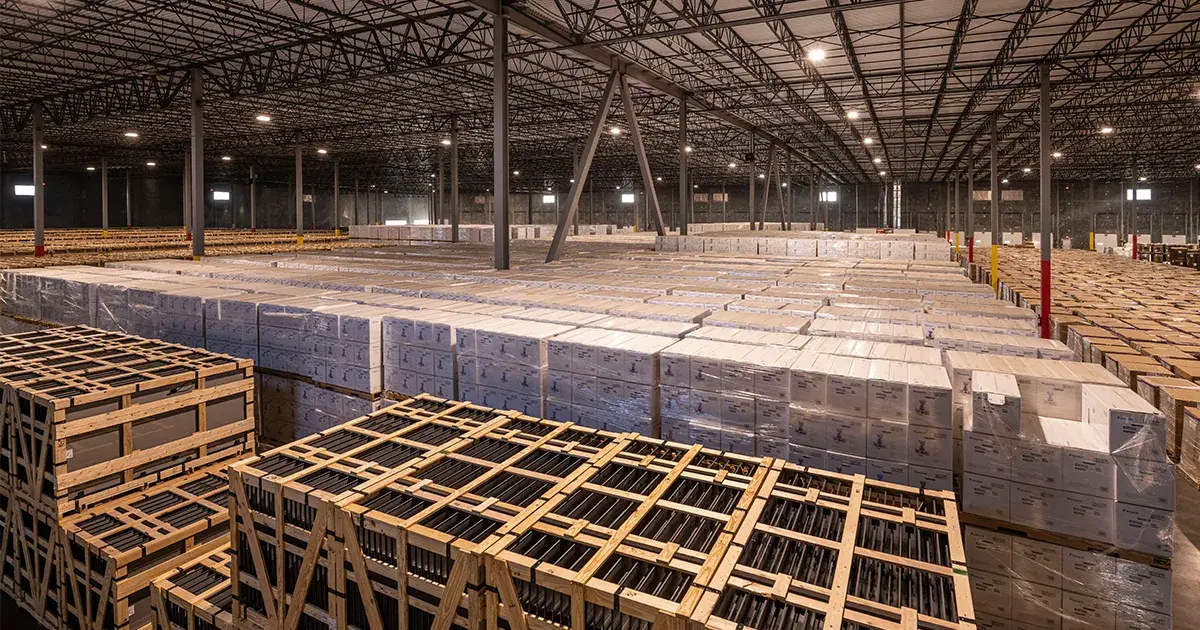
How much warehouse space will your business need six months from now? Will inventory be moving through the same markets? Will your customers need something different?
5 min read
Space to Adapt: Warehousing for Changing Demand
Topics: Distribution and Fulfillment Beyond Point to Point Supply Chain Strategy
22 min read
From Coffee to Commerce: How Port NOLA Moves Global Trade
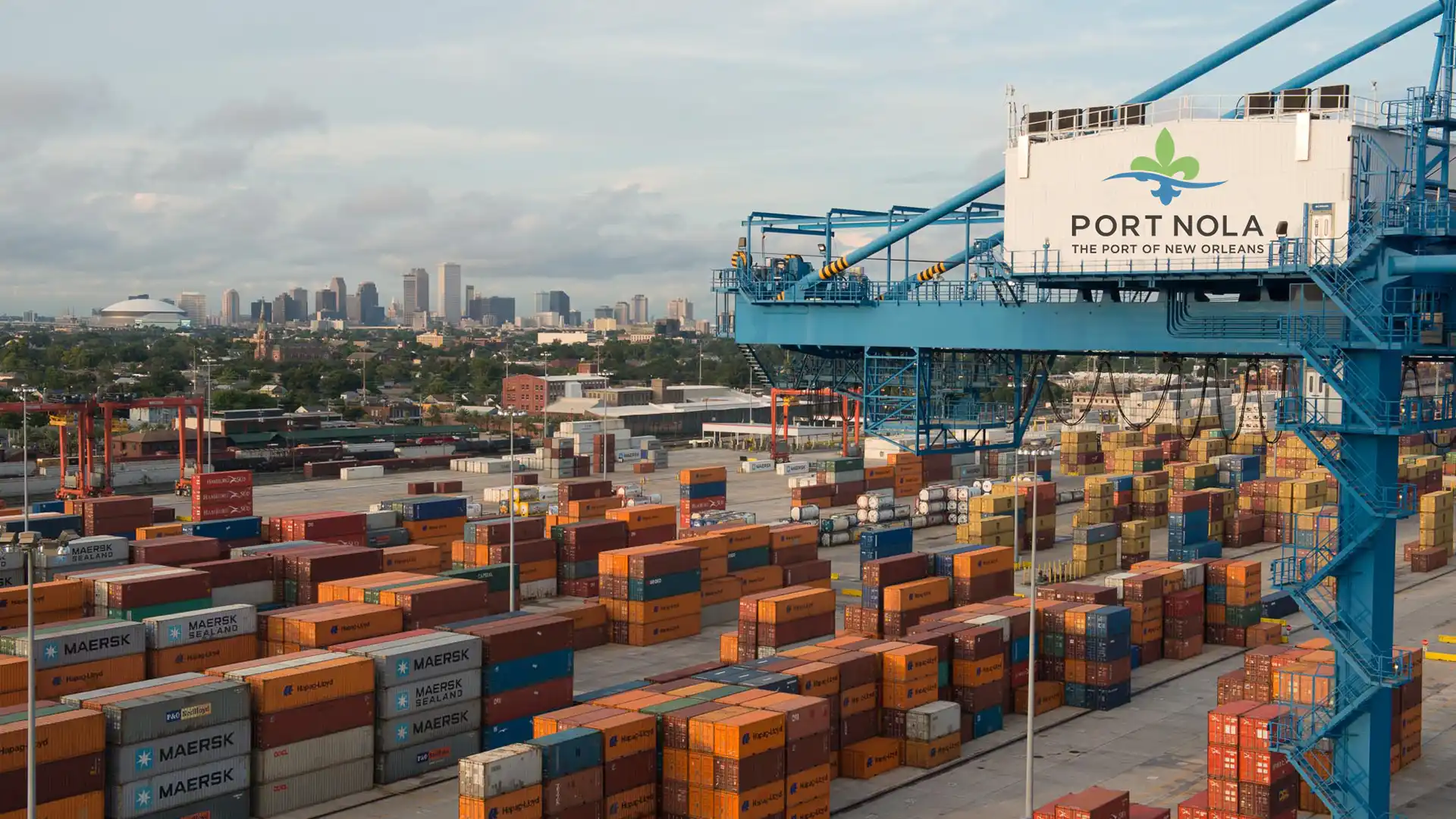
Most of us don't think about port infrastructure when we pour a morning cup of coffee. But before those beans ever reach a grocery store shelf or kitchen cabinet, they may have traveled thousands of miles by truck and vessel, passed through a U.S. port, and moved through a network of warehouses, distribution centers and transportation providers.
Topics: International PortSide Beyond Point to Point Supply Chain Strategy Intermodal
5 min read
St. Louis: A Historic Gateway Built for Modern Freight

St. Louis has always been a city defined by movement.
Long before interstates and intermodal networks, its position along the Mississippi River made it one of America’s most important commercial crossroads. As the historic “Gateway to the West,” St. Louis helped connect eastern industry with western expansion, building a legacy rooted in transportation, trade, and access.
Topics: Logistics Hub Supply Chain Strategy
15 min read
Intermodal Shipping: Lower Costs, Reliable Capacity
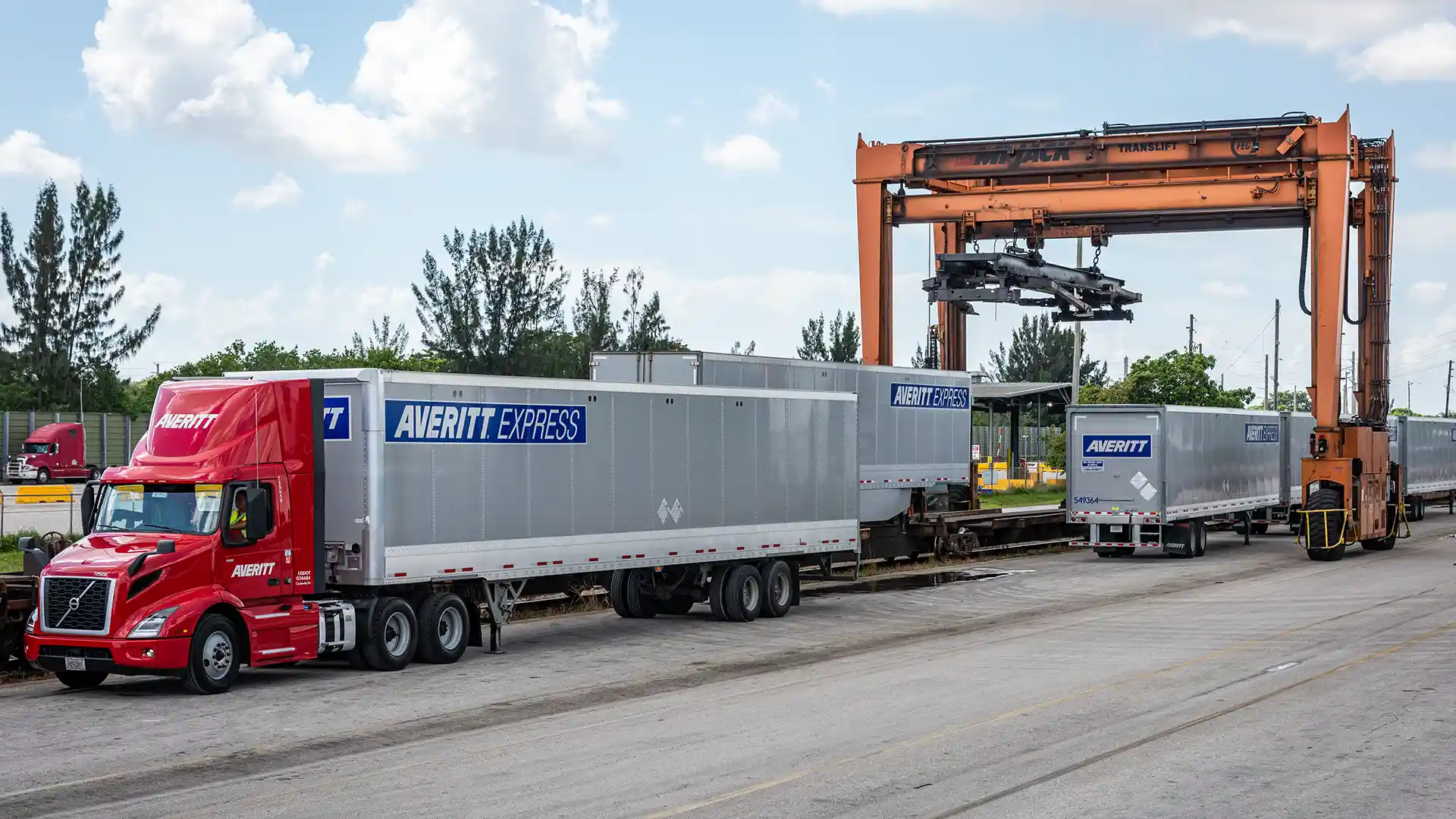
Intermodal transportation tends to get a reputation it doesn't quite deserve. Shippers hear "rail" and think slow, complicated, or risky for their freight. In practice, the reality is often the opposite. For the right lanes and freight types, intermodal can deliver meaningful cost savings while keeping transit times competitive with over-the-road service.
Topics: Truckload LTL Beyond Point to Point Supply Chain Strategy Intermodal
8 min read
Freight Shipping to Puerto Rico: What Shippers Need to Know

Freight shipping to Puerto Rico sounds straightforward until it isn't.
Topics: Truckload LTL Distribution and Fulfillment Supply Chain Strategy Puerto Rico
6 min read
The Logistics Problem Most AI Data Center Projects Don't See Coming
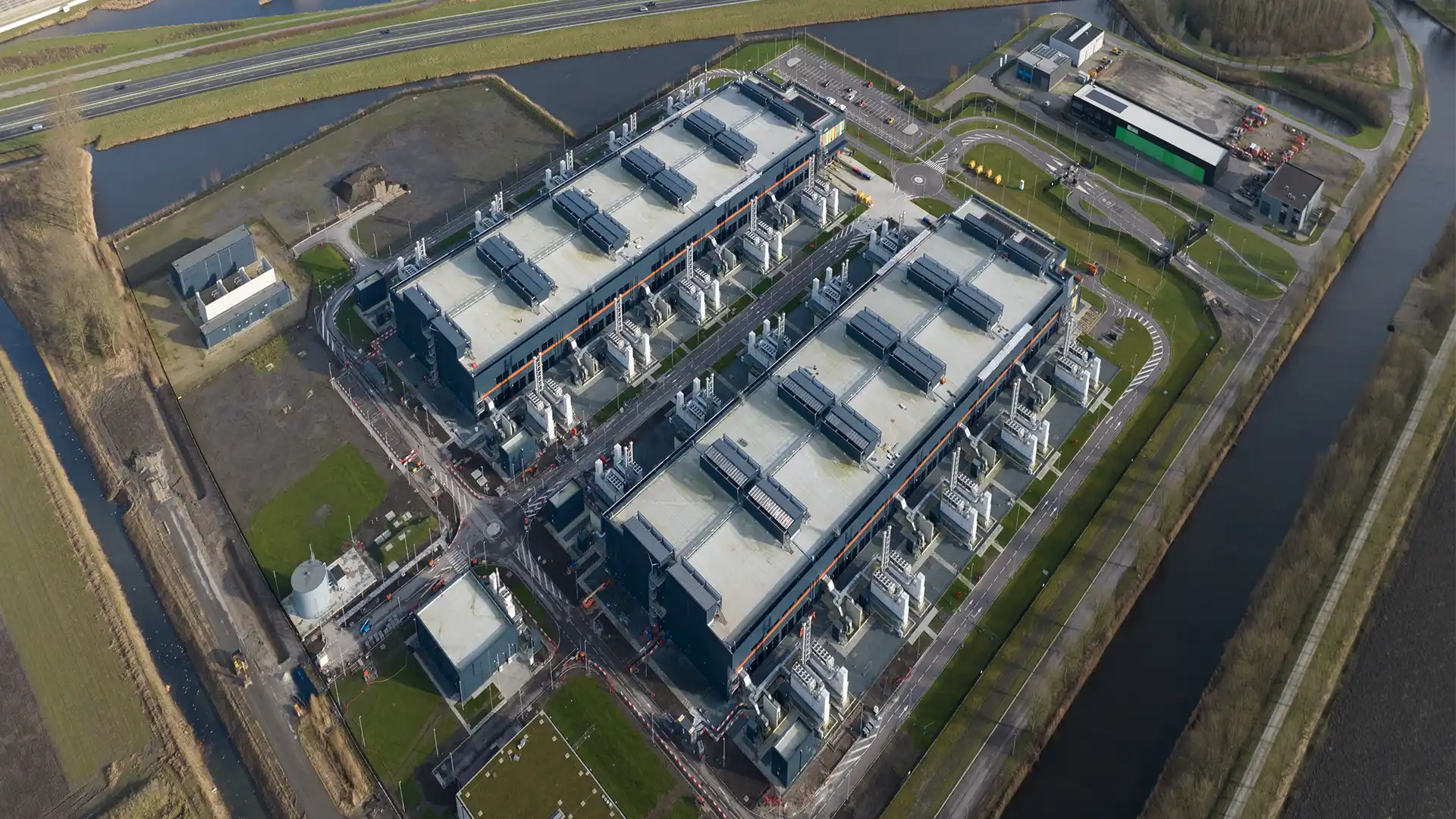
The AI data center buildout is the largest infrastructure investment cycle in modern history. U.S. spending on data center construction starts reached an estimated $77.7 billion in 2025 according to Equipment World – a 190% year-over-year increase – and Moody's projects $3 trillion in global spending over the next five years to keep pace with AI capacity demand. With more than 2,788 data centers currently announced or under construction across the U.S., the pressure on every link in the supply chain – including logistics – has never been greater.
Topics: Expedited Truckload LTL Distribution and Fulfillment Industry News Supply Chain Strategy
27 min read
Cross-Border Logistics Strategy: Resilience in an Era of Volatility
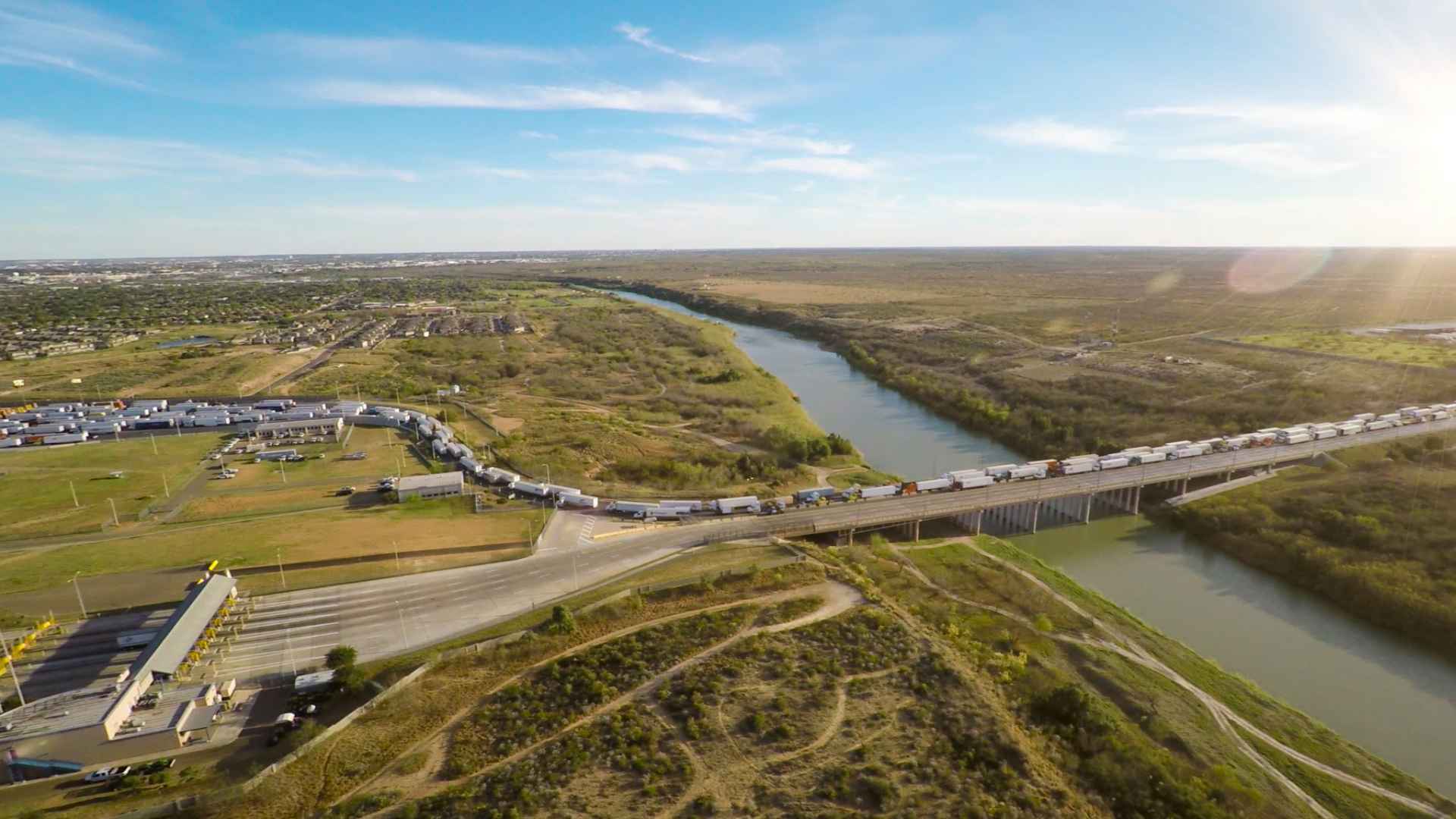
Cross-border logistics strategy is no longer a tactical concern. It is a competitive differentiator.
As nearshoring accelerates and U.S.–Mexico trade volumes continue to grow, shippers are discovering that moving freight across borders requires more than capacity. It requires infrastructure, compliance expertise, visibility, and disciplined coordination.
Topics: Mexico Cross-Border Supply Chain Strategy
5 min read
Warehousing, Ports, and the Case for Flow in 2026
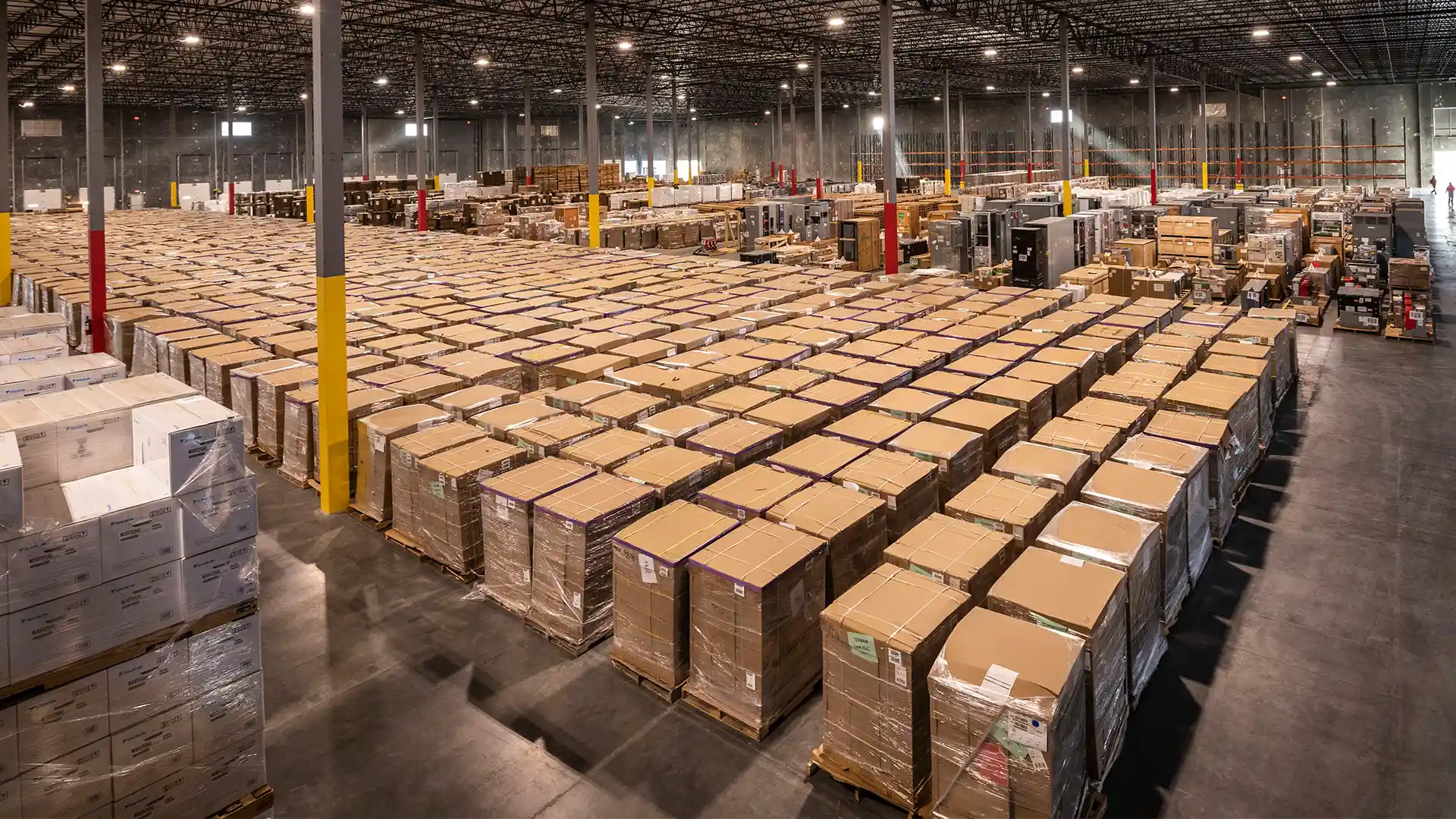
As we move into 2026, the warehousing market is showing early signs of moderation—but not normalization. While select markets are beginning to soften, warehouse costs nationally remain elevated compared to pre-2020 levels, and pricing behavior continues to vary widely by geography.
Topics: PortSide Distribution and Fulfillment Industry News Supply Chain Strategy
3 min read
What 1,000+ Shippers Are Saying About 2026

As supply chains move into 2026, the conversation has shifted. Shippers are no longer reacting to constant disruption—but they aren’t operating with full confidence either. Instead, planning decisions are being made with greater discipline, tighter assumptions, and far less margin for error.



