
.png?width=542&height=179&name=PNG-Averitt%2055%20Years%20RED%20ODFIP%20(1).png)


This week, Averitt celebrates 55 years of serving customers and building lasting relationships.
Averitt
Recent posts by Averitt
4 min read
Step Inside Averitt’s Nashville Warehouse: A Distribution & Fulfillment Tour
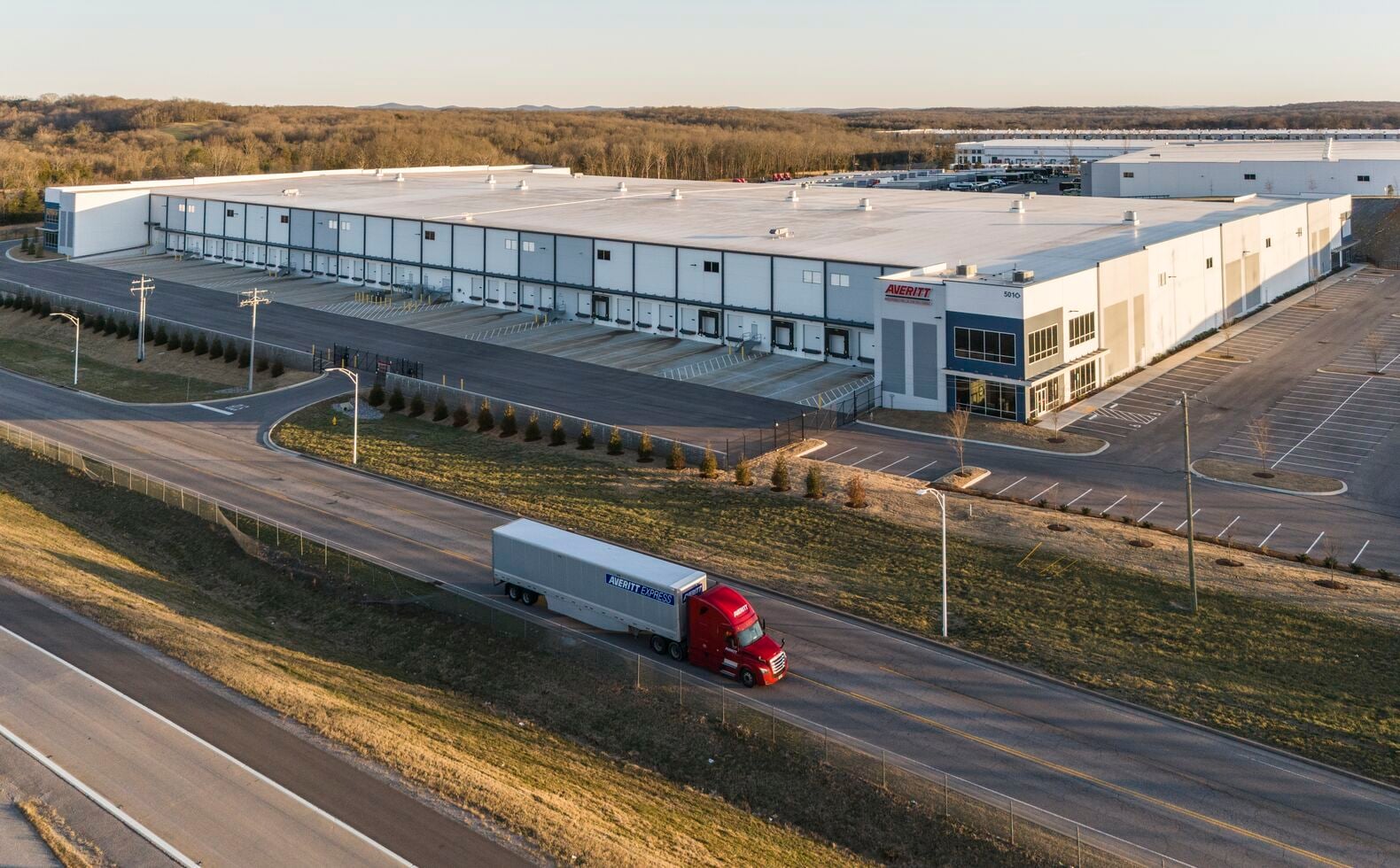
What does 290,000 square feet of flexible warehousing and fulfillment capacity look like in action?
Take a walk through Averitt’s Nashville Distribution & Fulfillment Center in Lebanon, Tennessee, with site manager Michael Perry. In this quick behind-the-scenes tour, Michael shows you the facility, technology and services that help customers store, manage and move inventory throughout Middle Tennessee and beyond.
Topics: Distribution and Fulfillment Nashville
1 min read
Celebrating Our Drivers During National Driver Appreciation Week
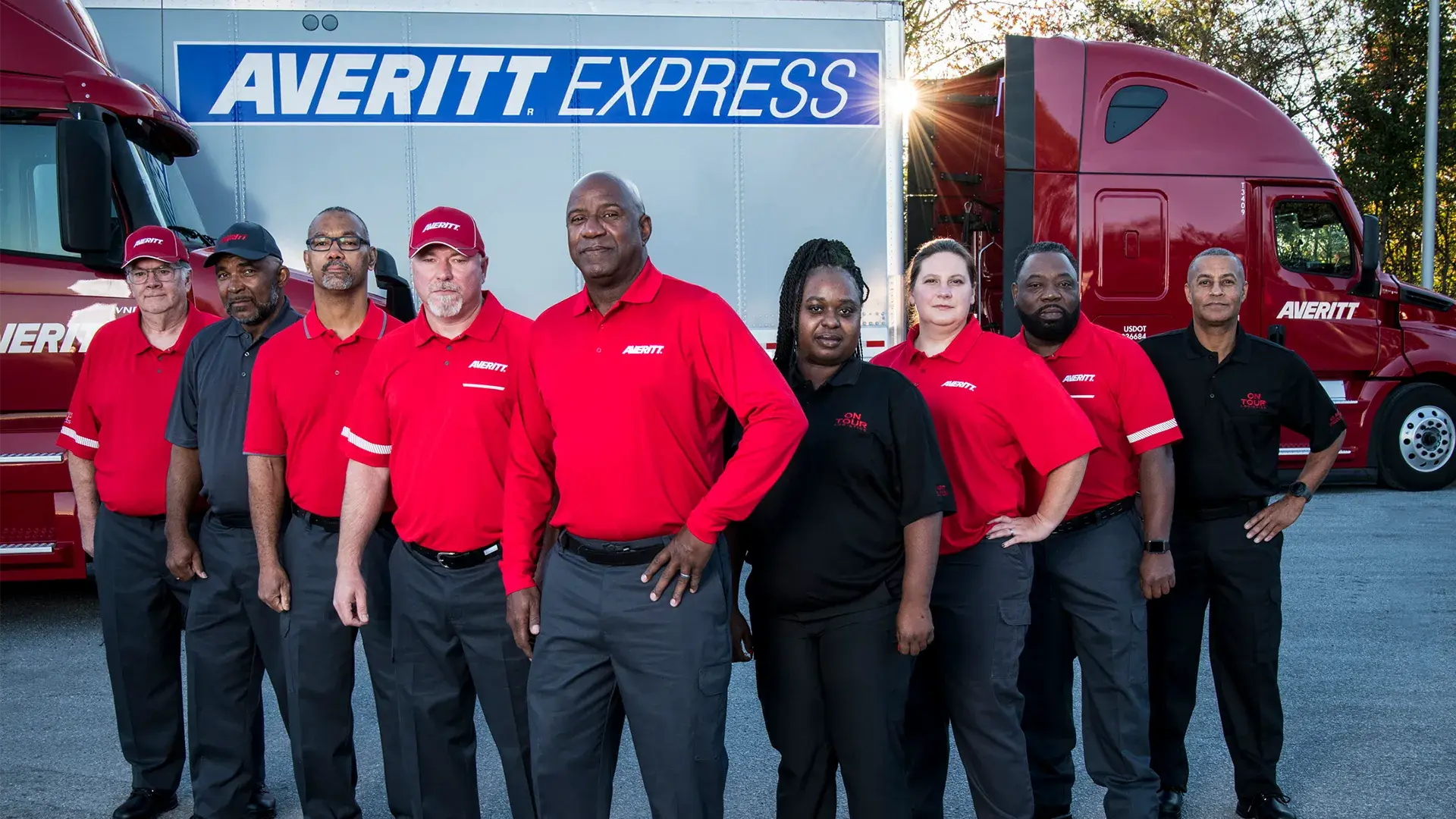
National Driver Appreciation Week gives us an opportunity to recognize the professional drivers who keep our customers, communities and economy moving every day. At Averitt, our drivers are often the face of our team, representing us on the road and at customer locations with a commitment to safety, service and professionalism.
Topics: Driver Appreciation Week
4 min read
250 Years of Moving Forward

This year, America marks 250 years of independence. Two and a half centuries shaped by people who showed up with purpose, adapted to change, and built things meant to last.
5 min read
St. Louis: A Historic Gateway Built for Modern Freight

St. Louis has always been a city defined by movement.
Long before interstates and intermodal networks, its position along the Mississippi River made it one of America’s most important commercial crossroads. As the historic “Gateway to the West,” St. Louis helped connect eastern industry with western expansion, building a legacy rooted in transportation, trade, and access.
Topics: Logistics Hub Supply Chain Strategy
8 min read
Freight Shipping to Puerto Rico: What Shippers Need to Know

Freight shipping to Puerto Rico sounds straightforward until it isn't.
Topics: Truckload LTL Distribution and Fulfillment Supply Chain Strategy Puerto Rico
13 min read
Q2 2026 Supply Chain & Logistics Outlook

Q2 2026 arrives with more complexity than clarity. The Middle East conflict has introduced a new layer of economic uncertainty that is rippling across every mode of transportation, driving fuel costs higher, disrupting international trade lanes, and adding pressure to supply chains that were just beginning to find their footing.
Topics: International Mexico Supply Chain Truckload LTL Distribution and Fulfillment Industry News Intermodal
6 min read
The Logistics Problem Most AI Data Center Projects Don't See Coming
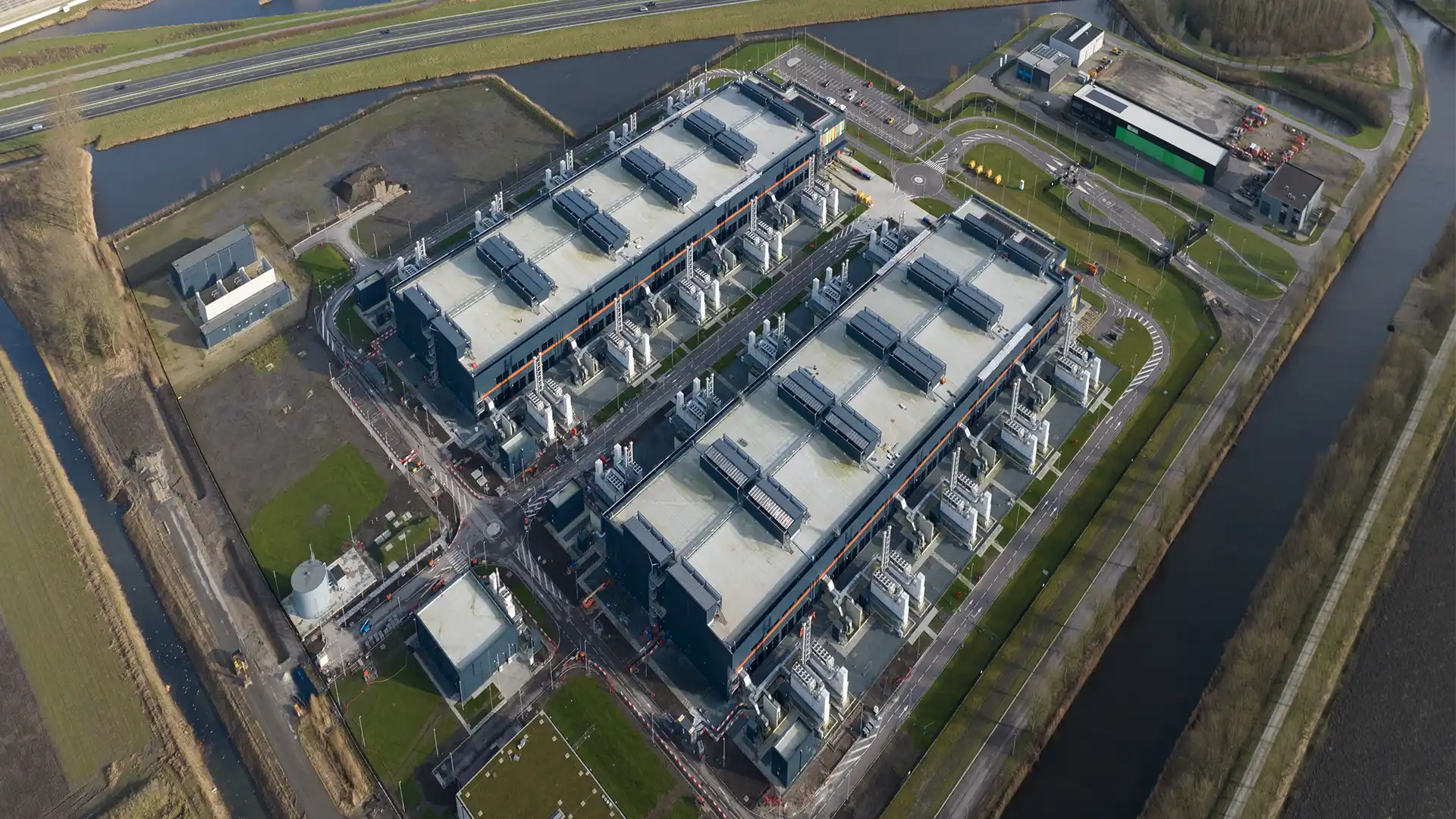
The AI data center buildout is the largest infrastructure investment cycle in modern history. U.S. spending on data center construction starts reached an estimated $77.7 billion in 2025 according to Equipment World – a 190% year-over-year increase – and Moody's projects $3 trillion in global spending over the next five years to keep pace with AI capacity demand. With more than 2,788 data centers currently announced or under construction across the U.S., the pressure on every link in the supply chain – including logistics – has never been greater.
Topics: Expedited Truckload LTL Distribution and Fulfillment Industry News Supply Chain Strategy
27 min read
Cross-Border Logistics Strategy: Resilience in an Era of Volatility
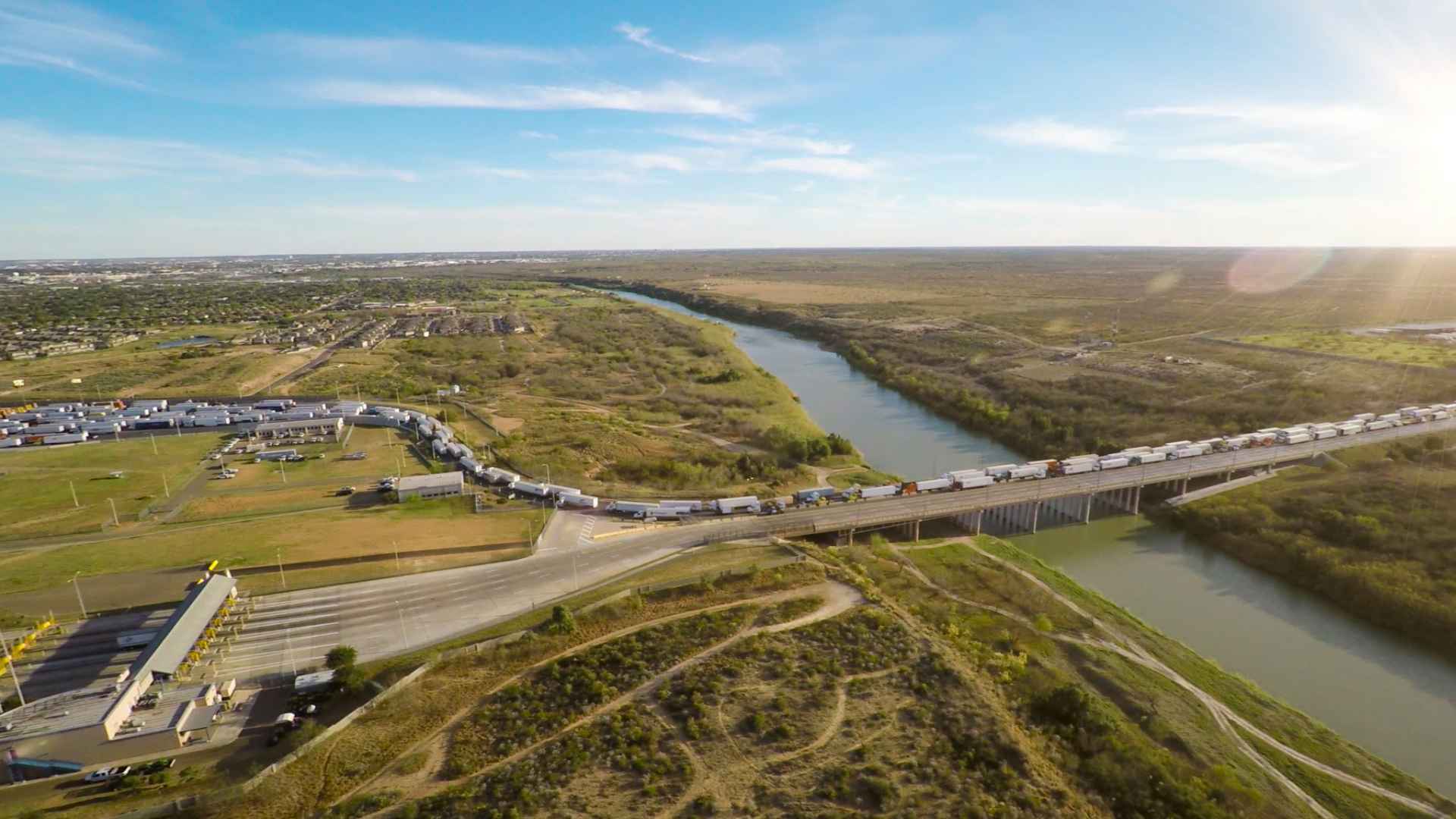
Cross-border logistics strategy is no longer a tactical concern. It is a competitive differentiator.
As nearshoring accelerates and U.S.–Mexico trade volumes continue to grow, shippers are discovering that moving freight across borders requires more than capacity. It requires infrastructure, compliance expertise, visibility, and disciplined coordination.



