.png?width=542&height=179&name=PNG-Averitt%2055%20Years%20RED%20ODFIP%20(1).png)


How much warehouse space will your business need six months from now? Will inventory be moving through the same markets? Will your customers need something different?
Those questions are difficult to answer with certainty. But the ability to respond can be just as important as the forecast itself.
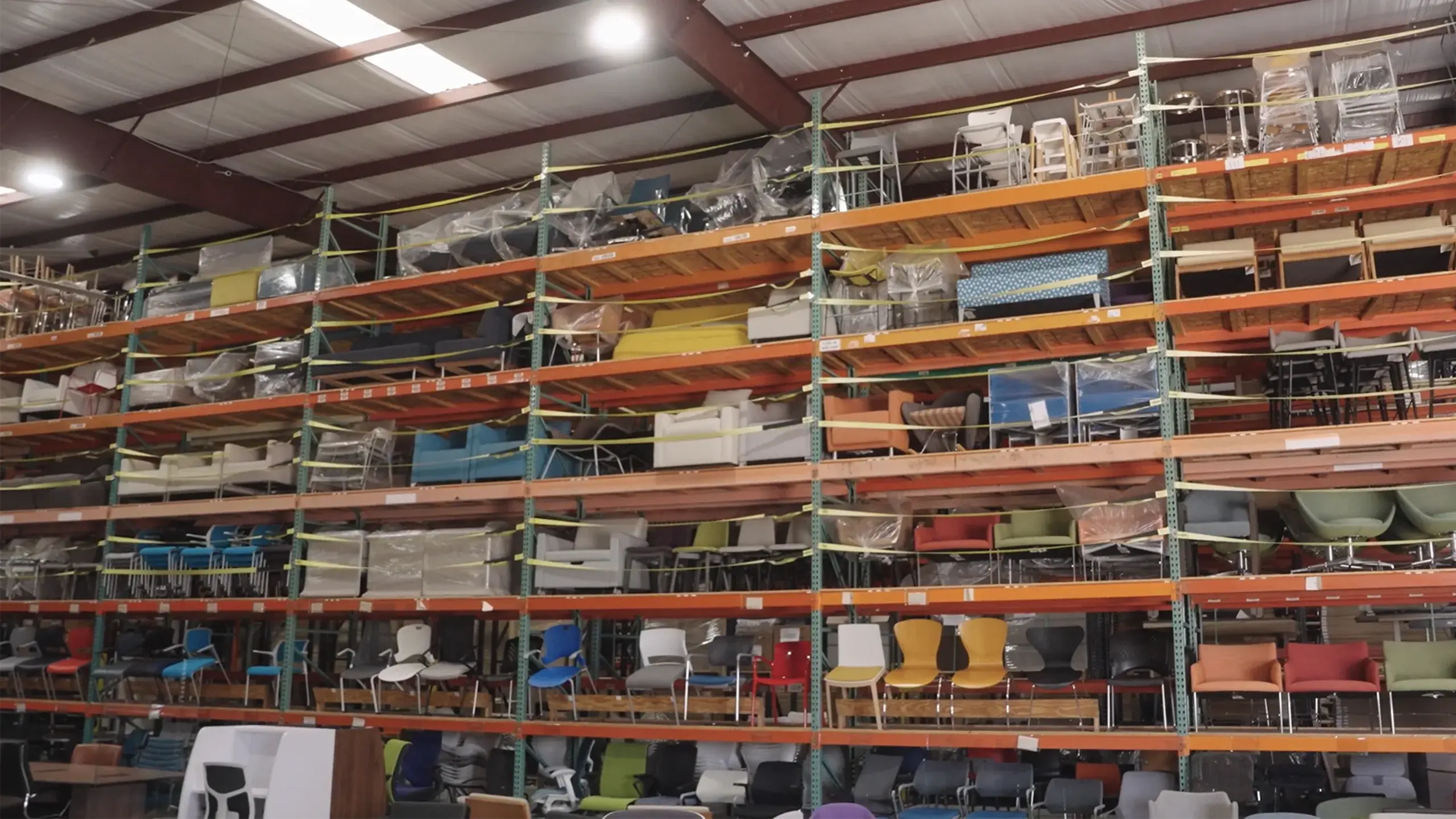
In this episode of Beyond Point to Point, host Joe Greek joins Ed Smith, Averitt’s Vice President of Distribution & Fulfillment, inside Averitt’s Nashville Distribution & Fulfillment Center. The conversation explores how flexible warehousing, connected transportation and inventory visibility help businesses adjust as their needs change.
What Does Flexible Warehousing Look Like?
Flexibility starts with recognizing that a customer’s requirements may change after inventory arrives.
A business entering a new market may want to test demand before committing to a larger footprint. Another may need additional space during a seasonal surge, then reduce that space as inventory moves out. Requirements can also change inside the warehouse, from pallet storage to picking, kitting or other fulfillment services.
Ed explains how Averitt works with customers to develop operating procedures around their needs, without requiring a fixed space commitment or a long-term warehousing contract.
That flexibility also depends on communication. Customers and warehouse teams need to discuss expected growth, changing volumes and available capacity early enough to plan together.
“If you're needing to grow, you've got to let us know sooner than later,” Ed says.
Location and Transportation Belong in the Same Conversation
Warehouse locations affect more than where inventory sits. It influences how freight arrives, how far orders travel and how quickly customers receive their products.
During the episode, Ed explains why Nashville plays an important role in Averitt’s distribution network. Its location supports access to Southeast markets while also serving destinations to the north and northeast.
The conversation follows the connections that make that location useful: international freight, inland rail, container drayage and outbound LTL and truckload transportation.
For shippers, the takeaway is to evaluate the whole journey. A warehouse decision should account for how products reach the facility and how they leave it.
Capacity Built Into Every Market
Flexible warehousing and fulfillment capacity across a connected network gives you room to respond, scale, and position inventory where your supply chain needs it.
Warehousing, distribution, and fulfillment space across Averitt's network.
See For Yourself →Facilities with warehousing capacity across Averitt's network.
Explore Our Network →
Ranked #1 in Warehousing & Distribution in the 2025 Quest for Quality Awards.
Learn More →Visibility Helps Businesses Manage Across Locations
Adding another warehouse should give a business more options while preserving a clear view of its inventory.
Ed discusses how Averitt’s warehouse management system gives customers access to inventory information across multiple facilities. That visibility helps businesses monitor inbound activity, stored products and outbound orders as their distribution footprint evolves.
The discussion also explores how inventory positioning can help determine which facility should serve a particular shipment. Space, location and information work together to support the broader network.
People Help Operations Adjust to Changing Volumes
Flexibility also depends on the team handling the freight.
Ed shares how Averitt facilities can draw on associates from nearby operations when inbound volumes increase. In Nashville, that can include support from the local LTL facility.
It is another example of how connections across a network can help an individual warehouse respond when requirements change.
Put the Conversation Into Practice
The episode raises a practical question: How easily could your distribution network adapt if demand changed tomorrow?
Our new Flexible Distribution Playbook helps you explore that question through five dimensions of flexibility:
-
Capacity
-
Location
-
Capability
-
Transportation
-
Visibility
Inside, you’ll find customer examples and six questions to stress-test your network, including what would happen if volume came in 25% above or below forecast.
Use it to start a conversation with your team about where your network has room to adapt and where a change could create friction.
How Ready Is Your Network for Changing Demand?
Put the episode’s insights into practice with real-world examples and six questions to assess how your warehousing and transportation network can adapt as your needs change.
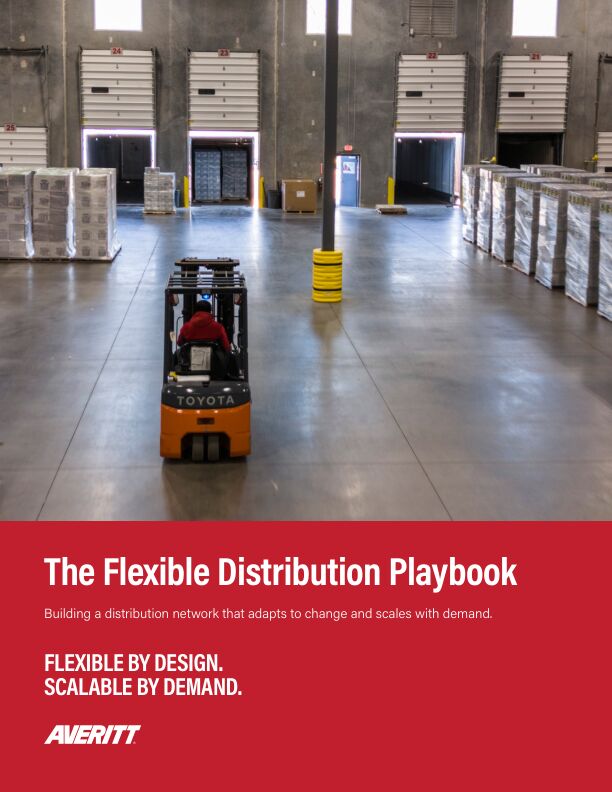
The Flexible Distribution Playbook
Download The Resource
To learn more about warehousing and transportation options for your business, visit Averitt Distribution & Fulfillment or find a location below.
Find A Flexible Warehousing Solution Near You
Select a market below to explore local warehousing, distribution, fulfillment, cross-docking and transportation capabilities, plus ways to connect with our team.